
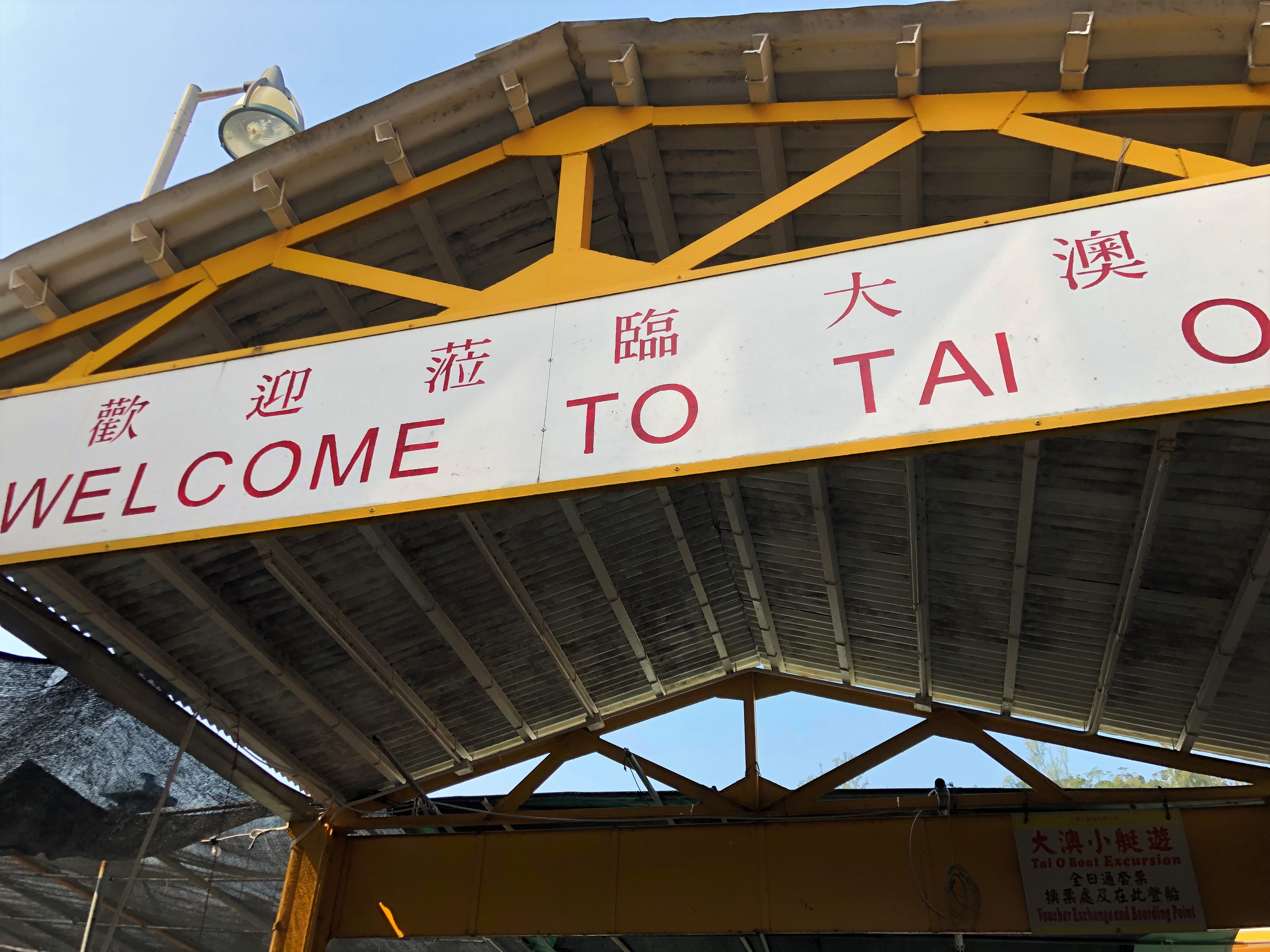
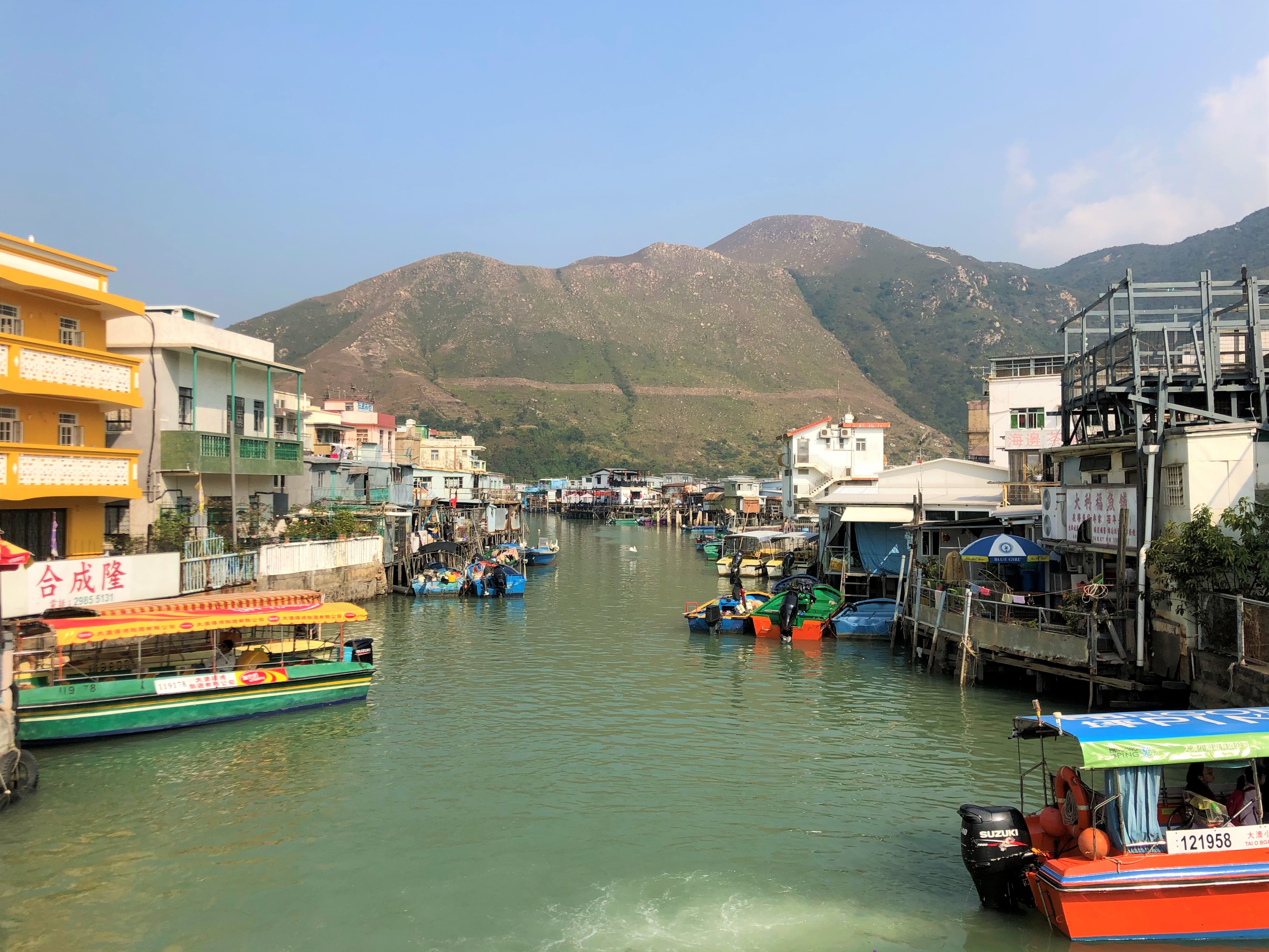
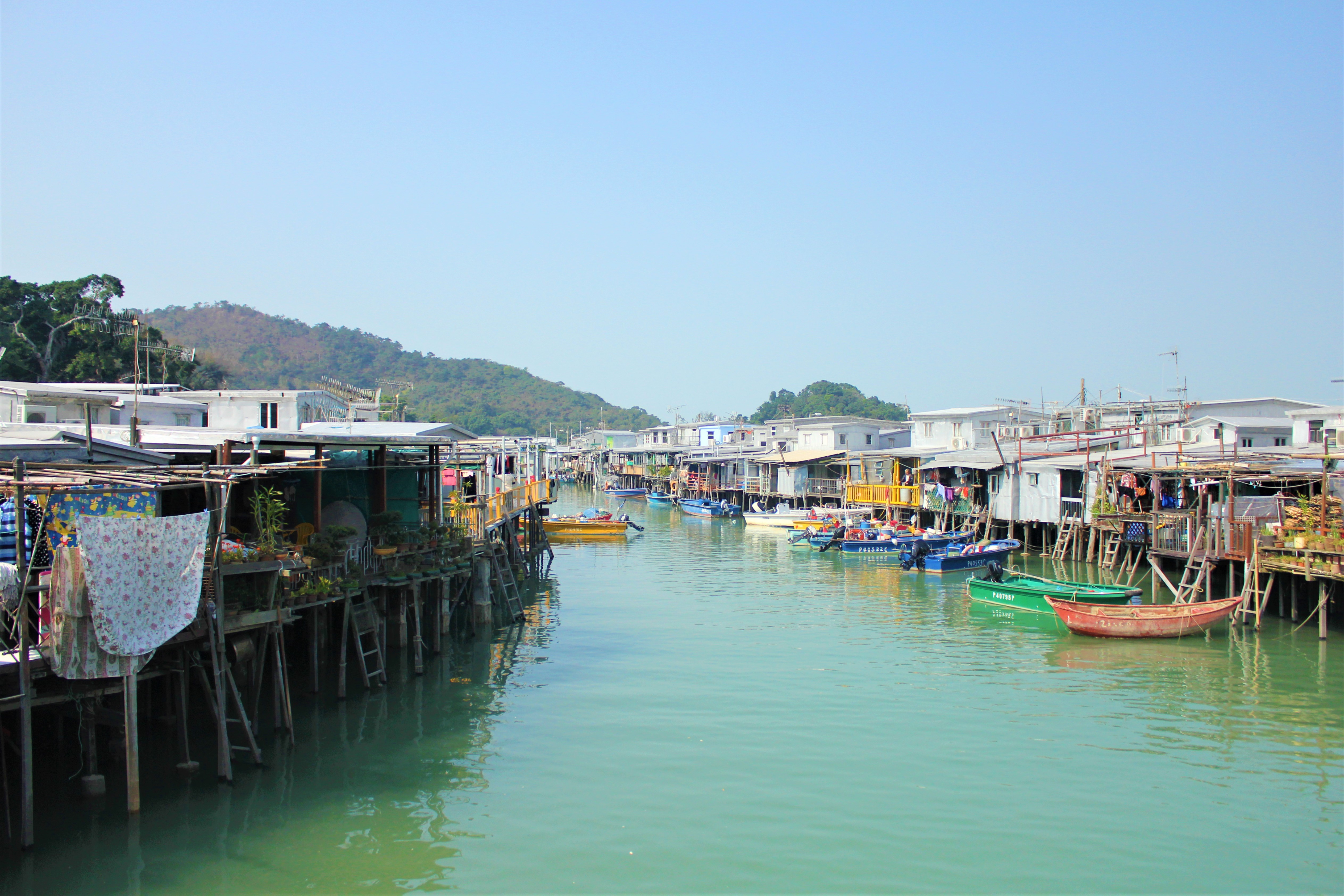
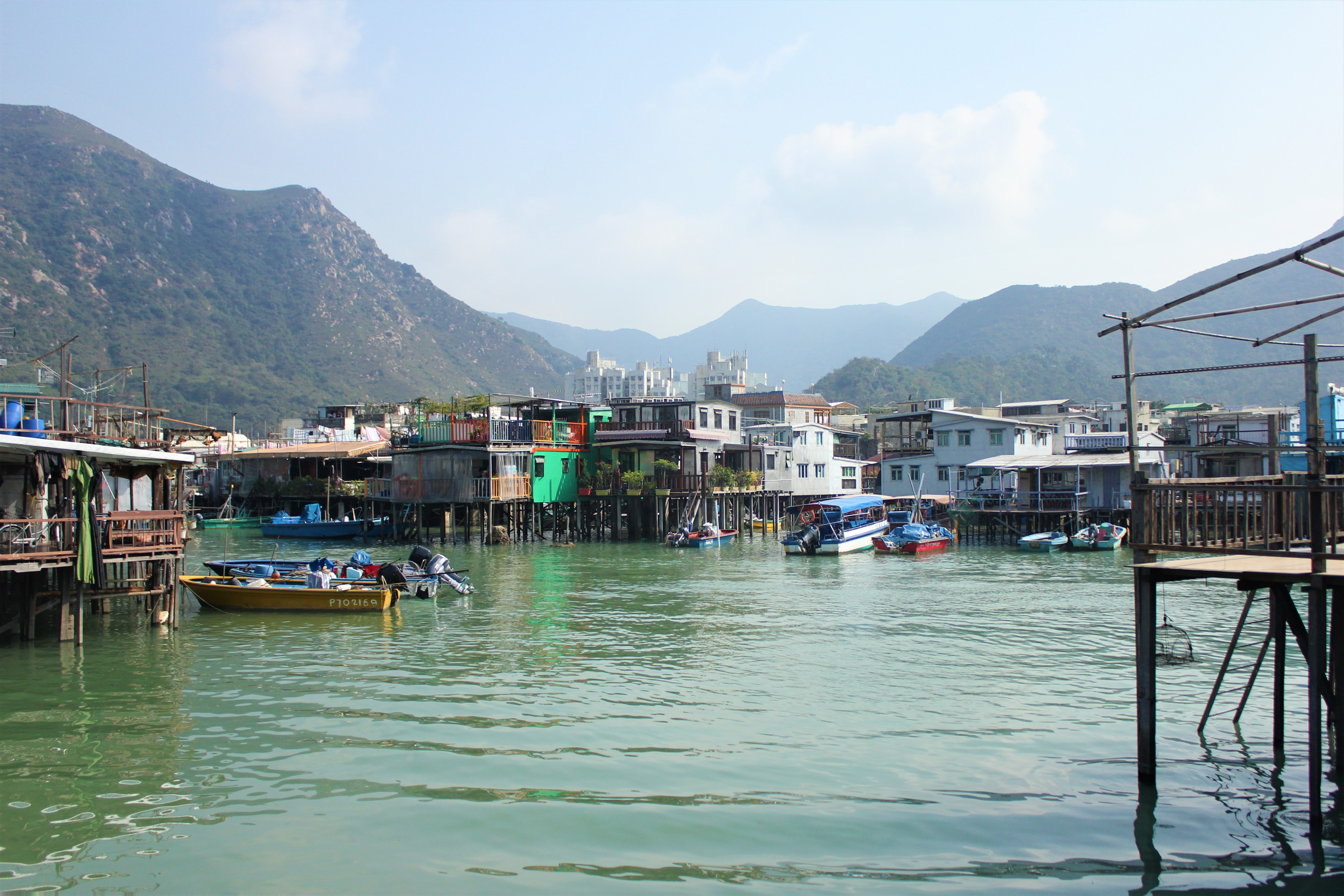
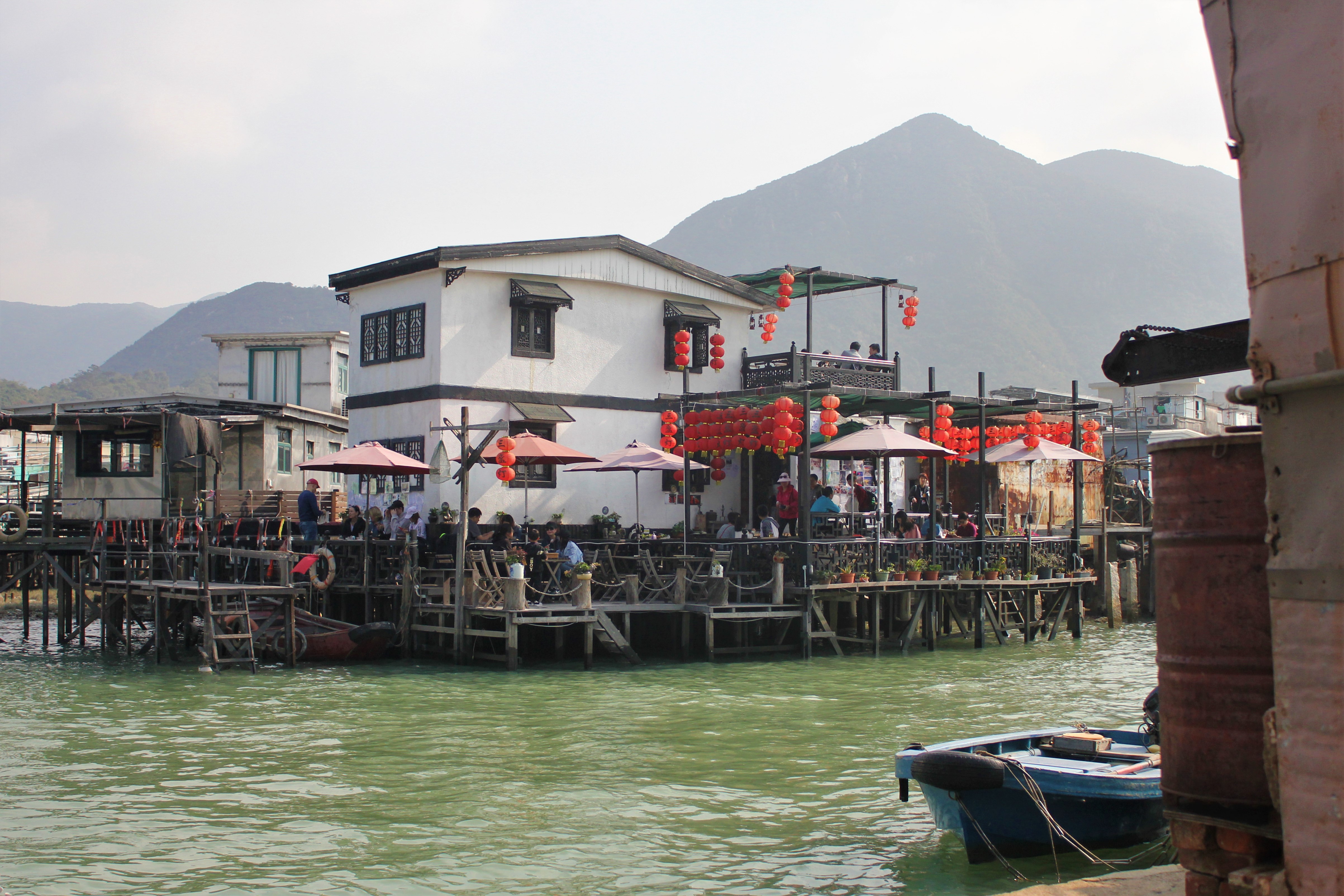
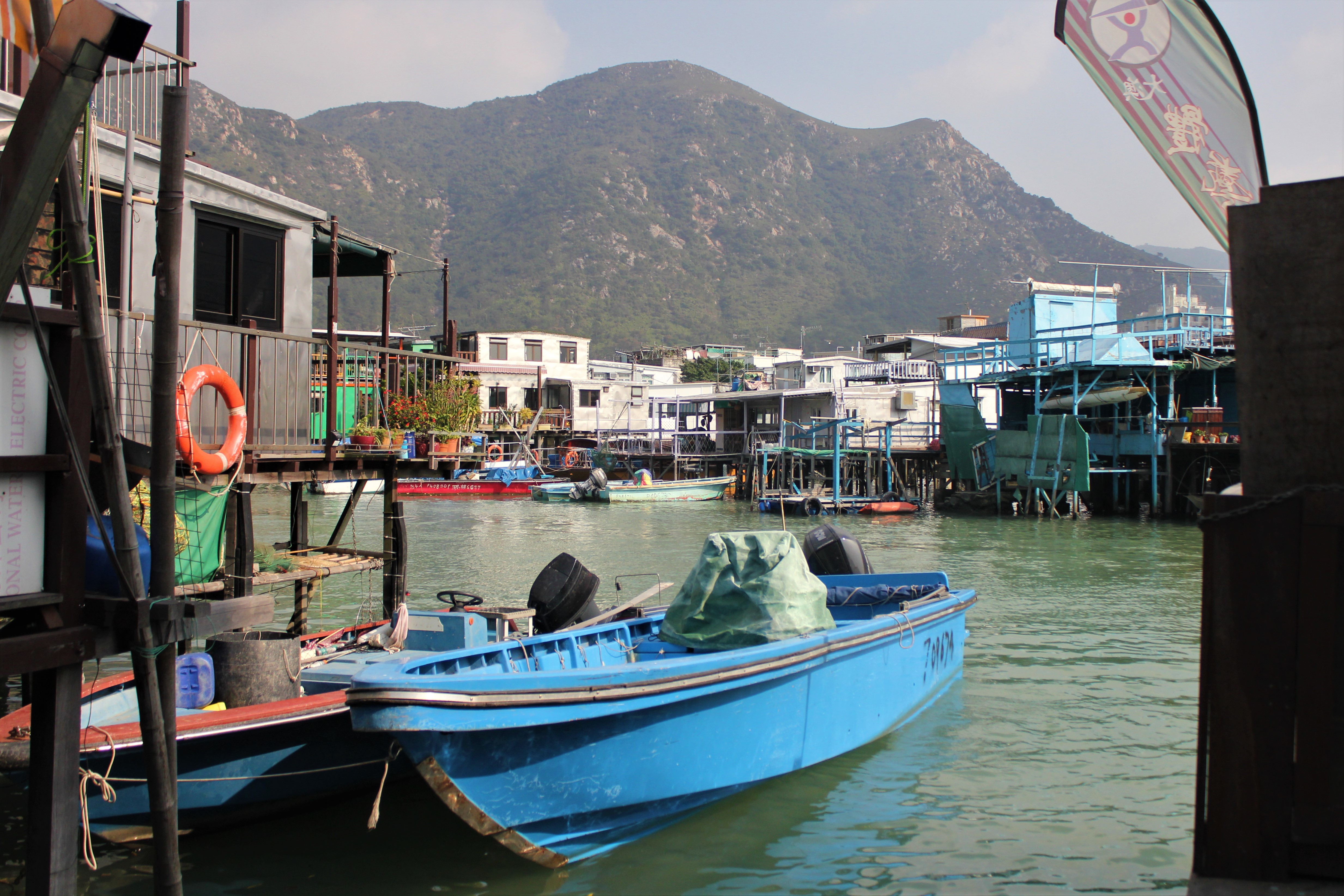
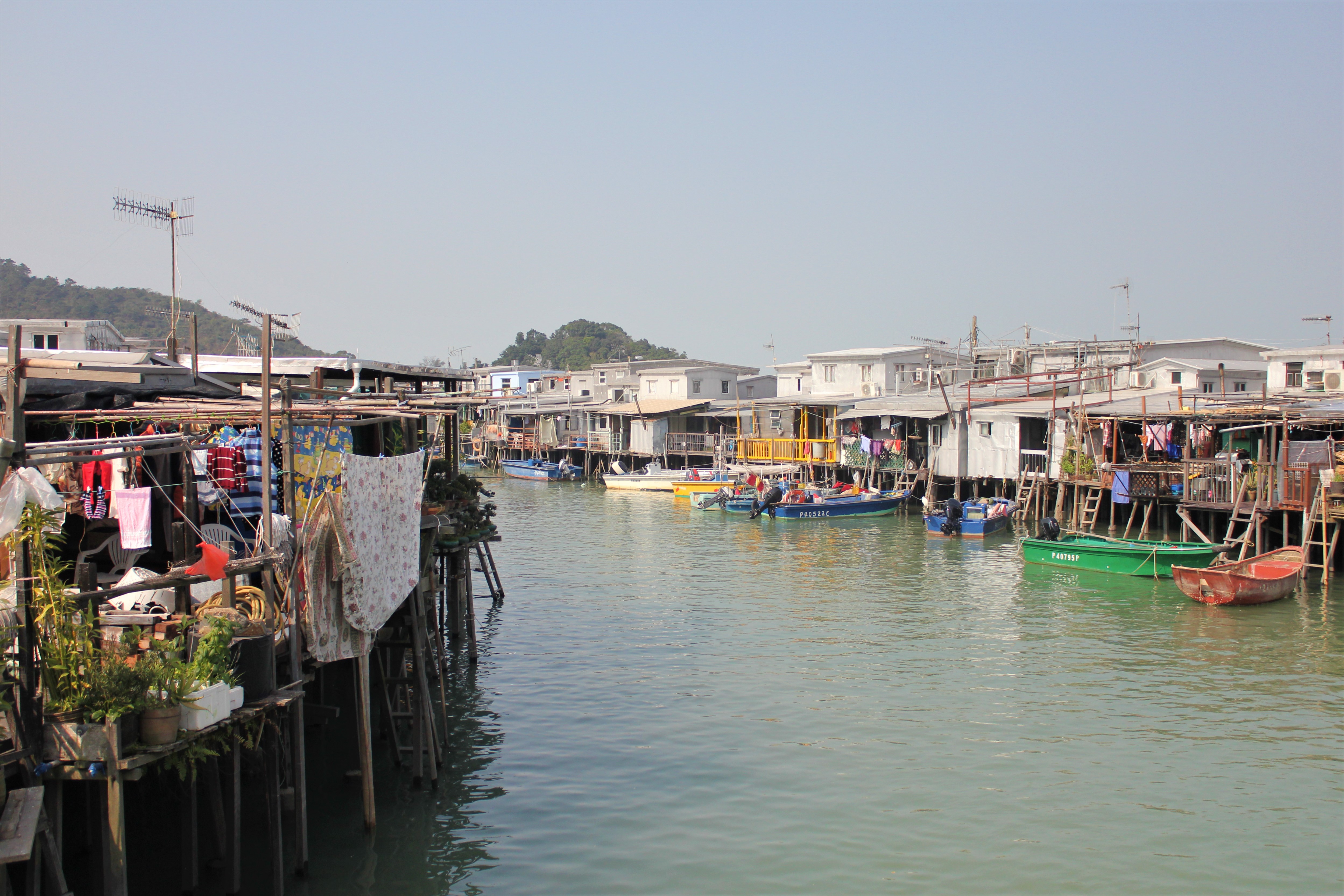
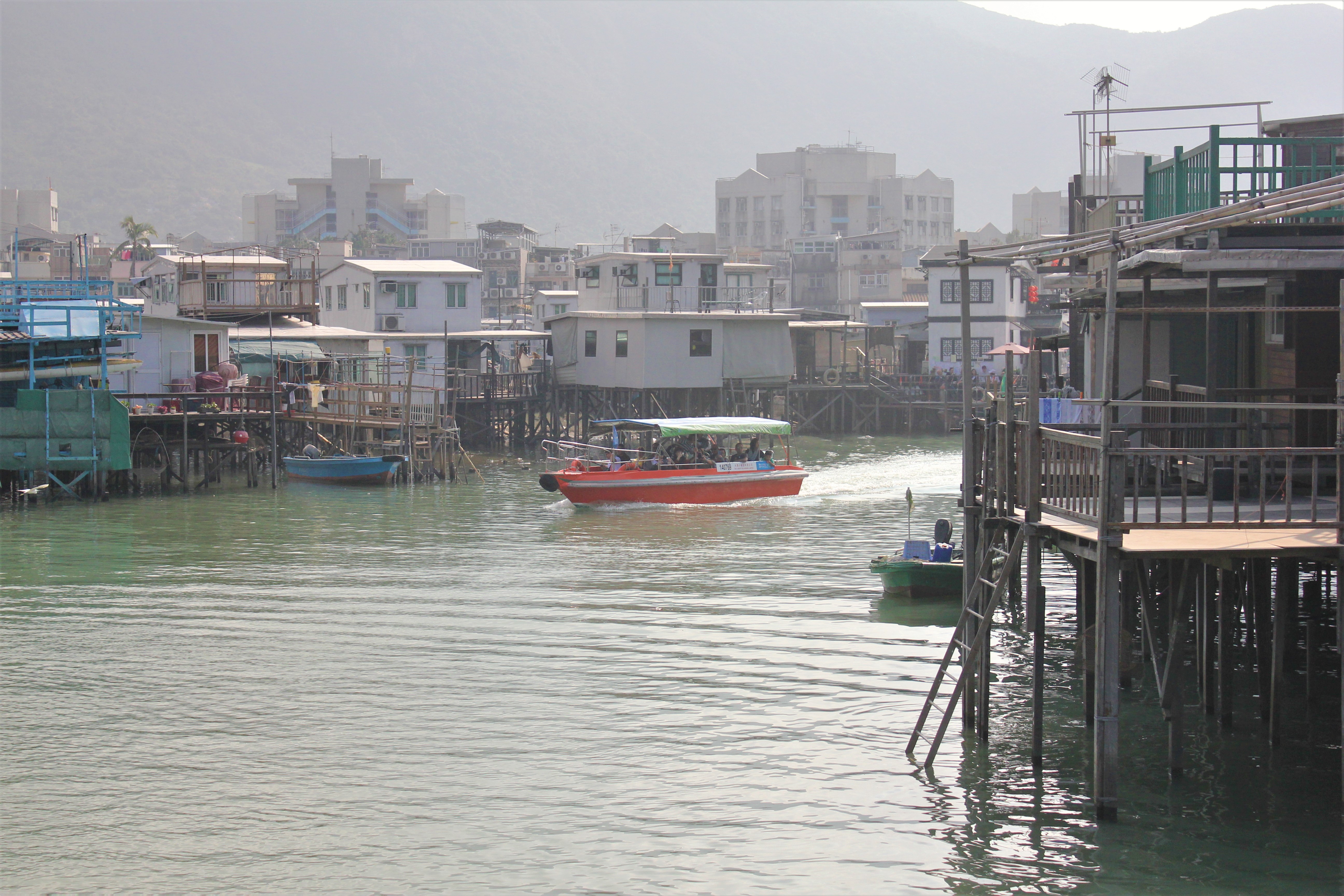
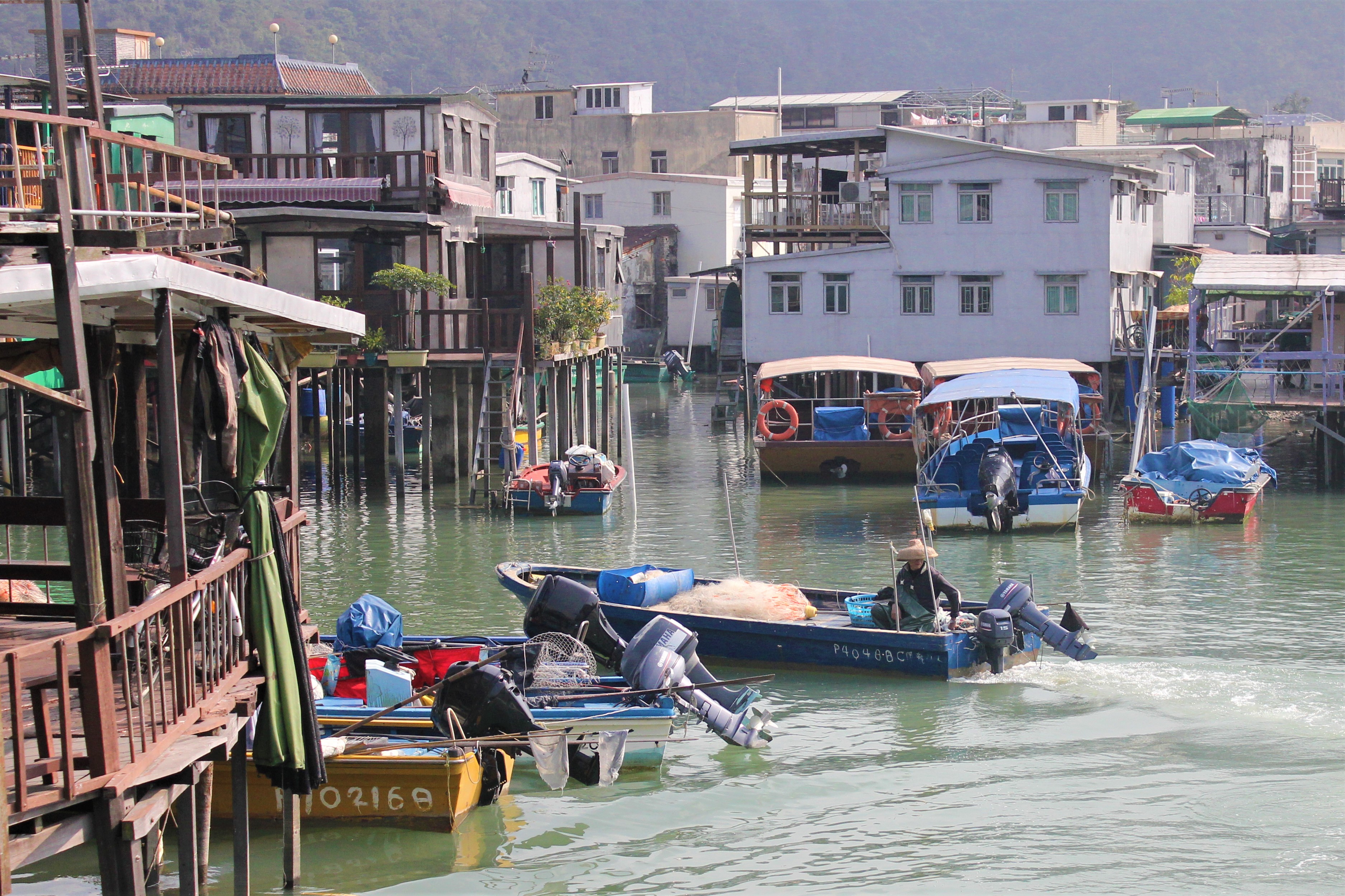
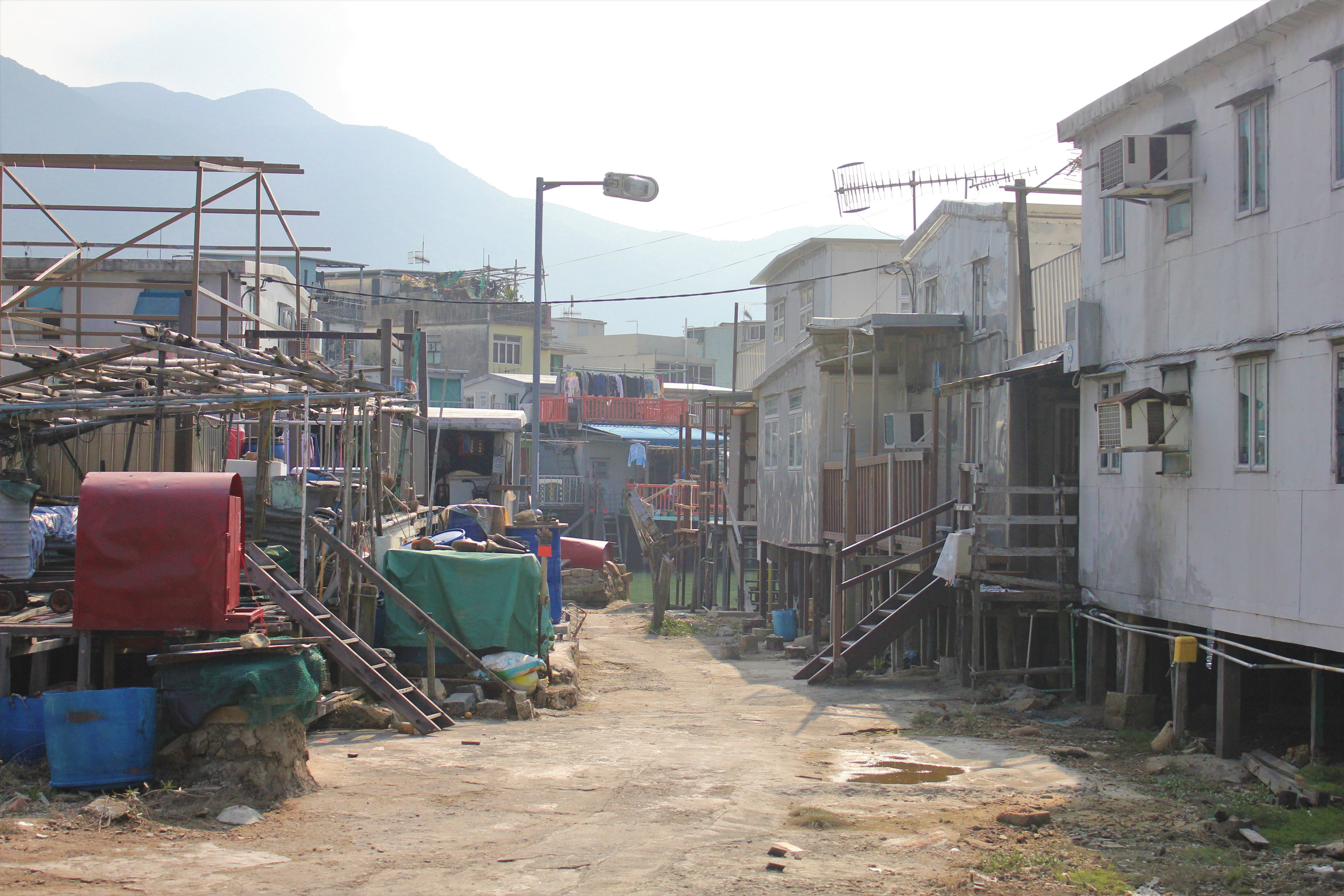
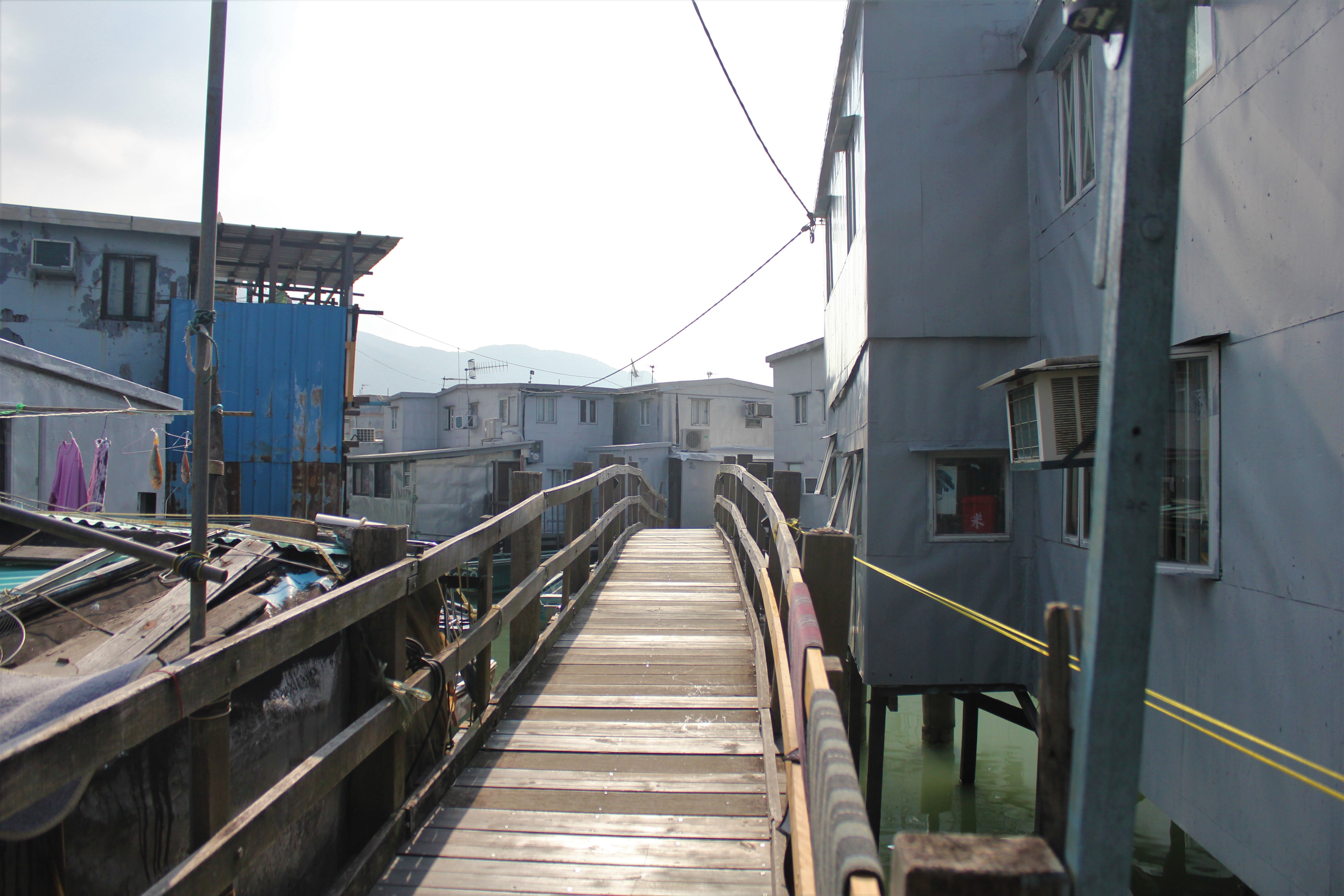
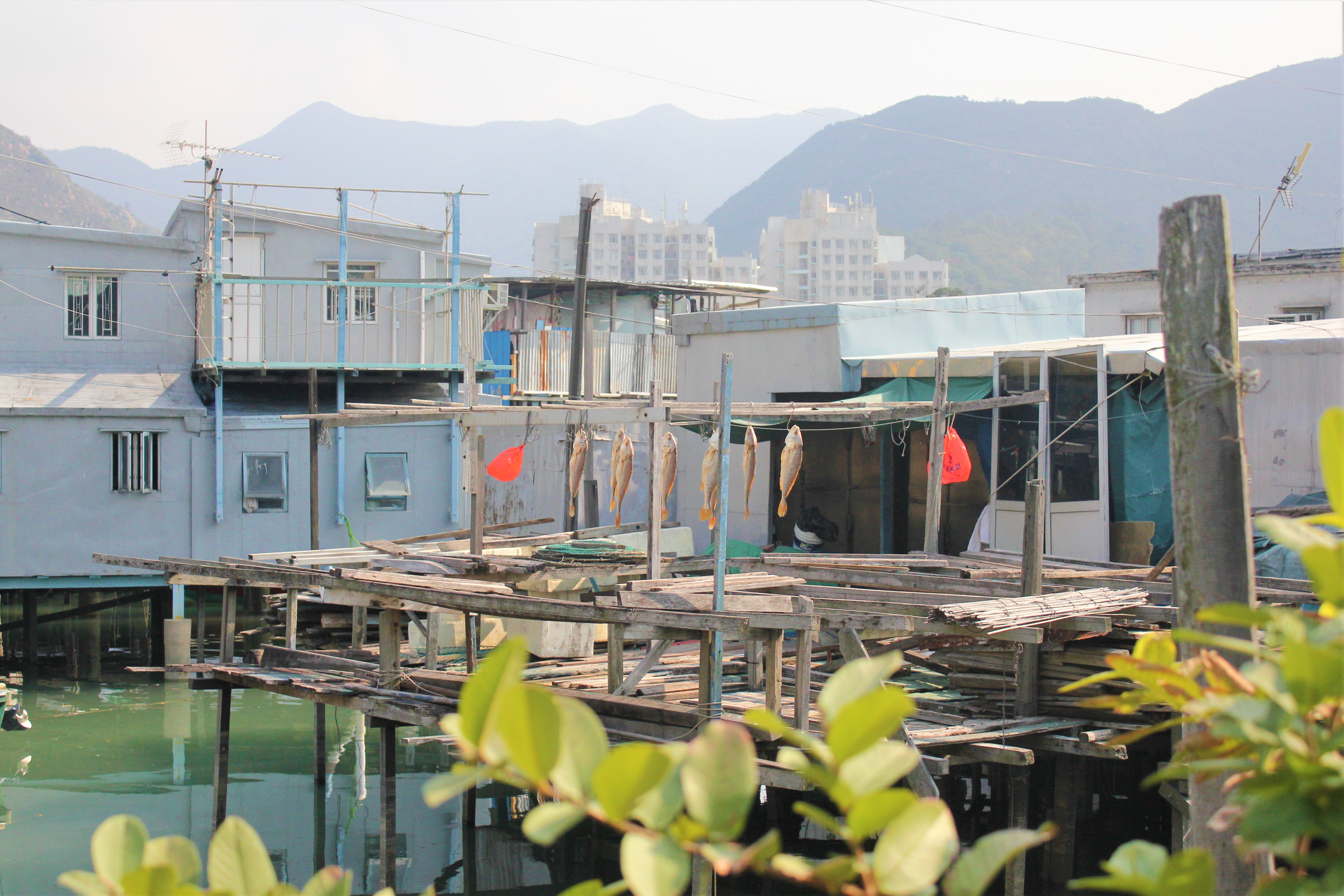
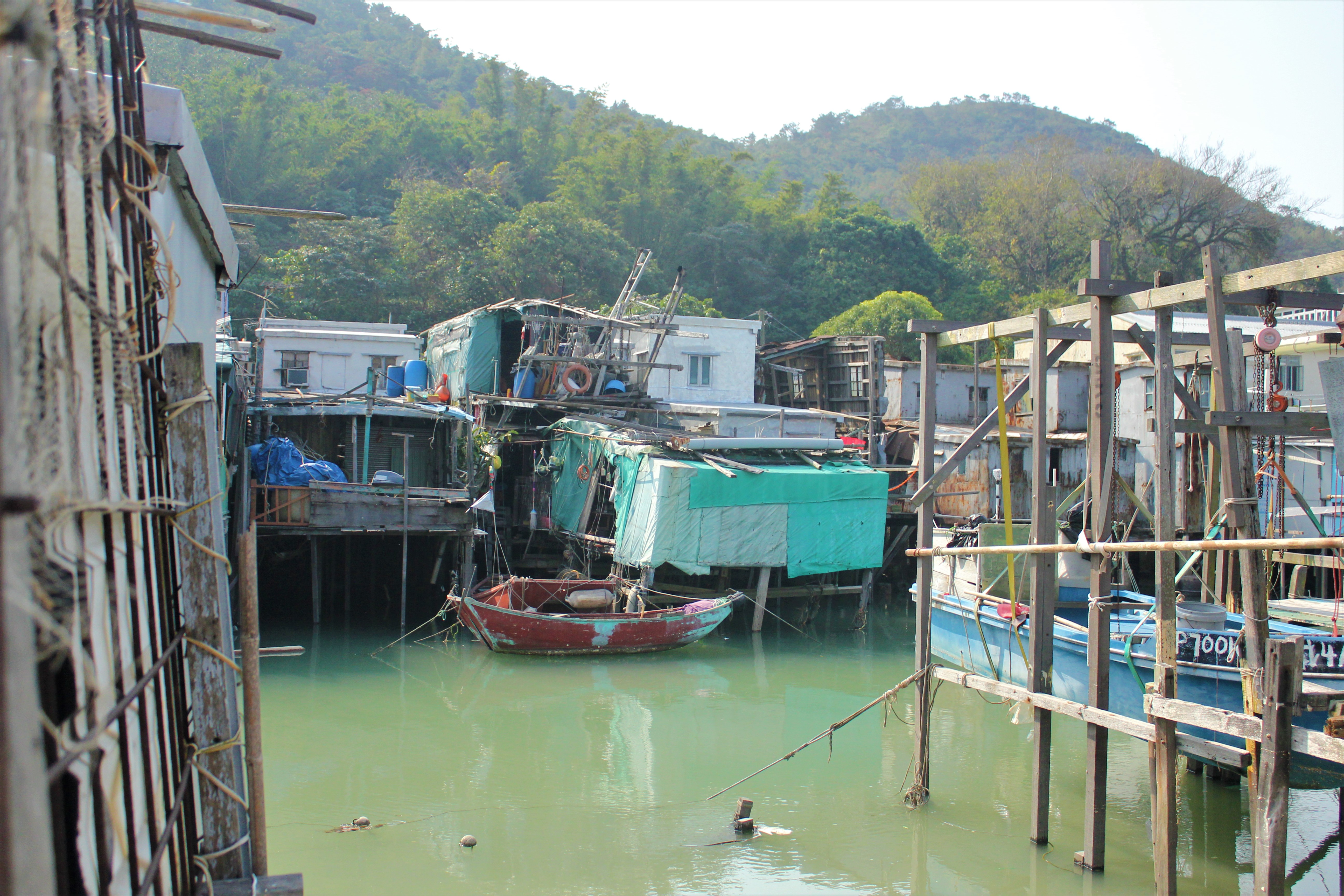
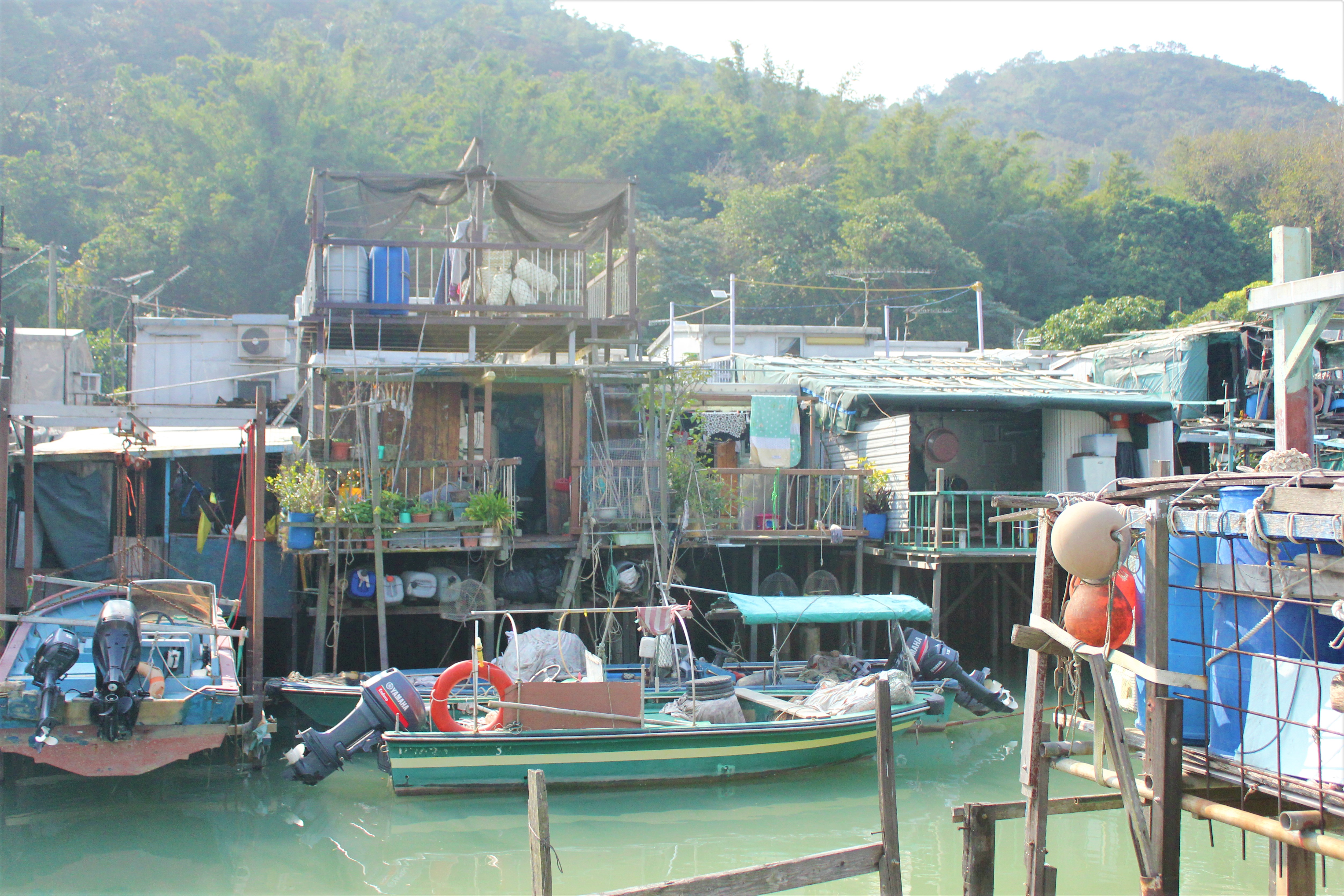
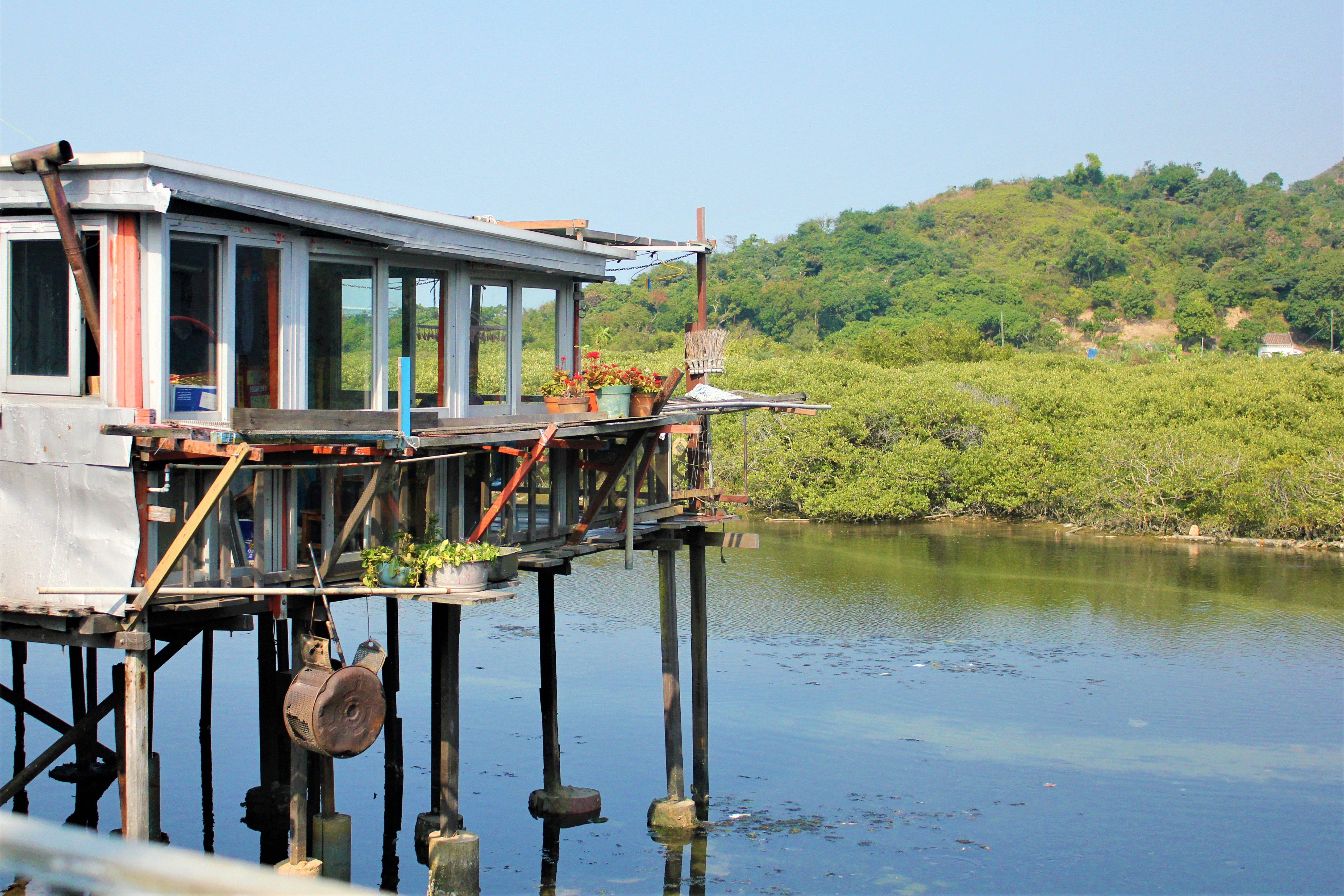
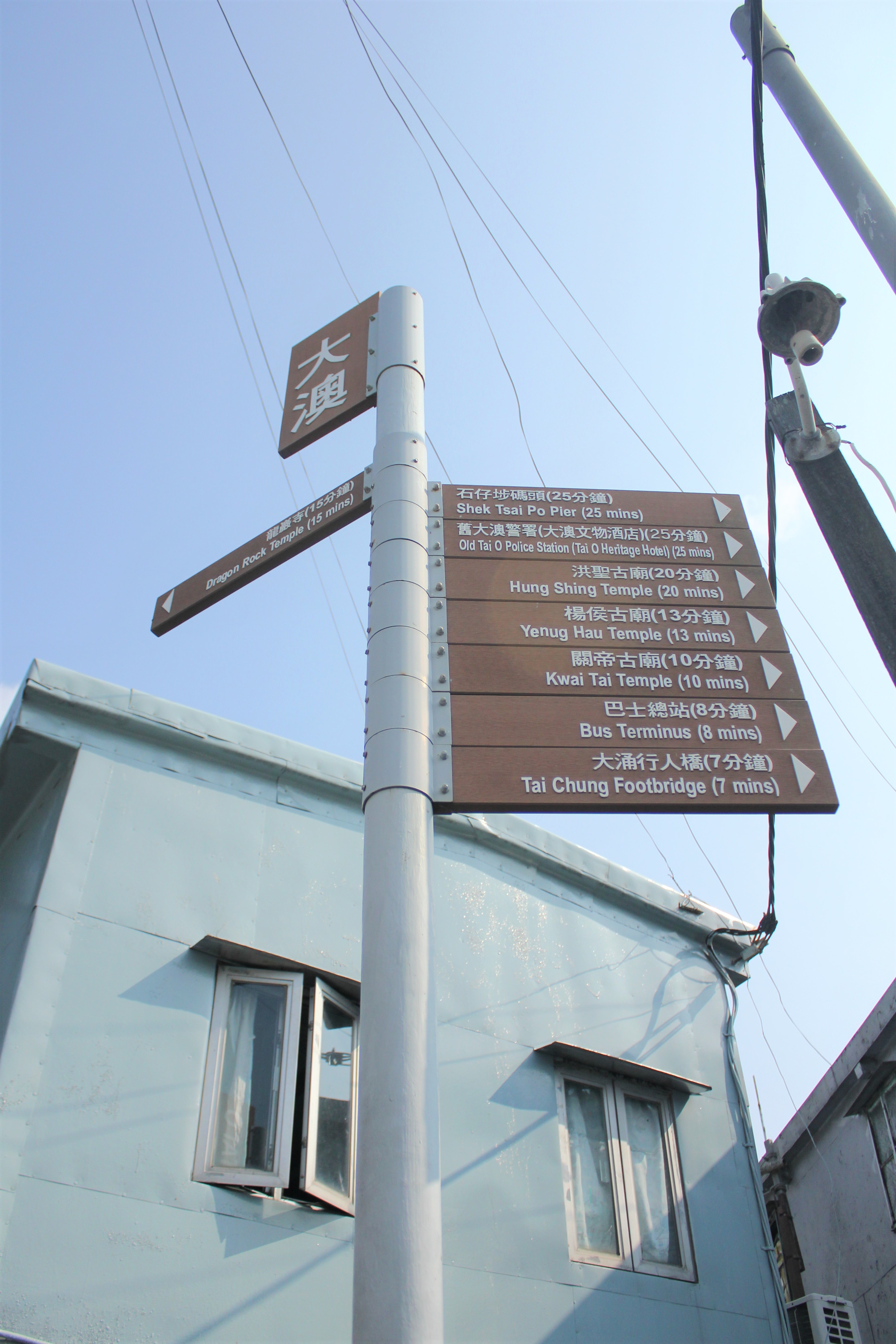
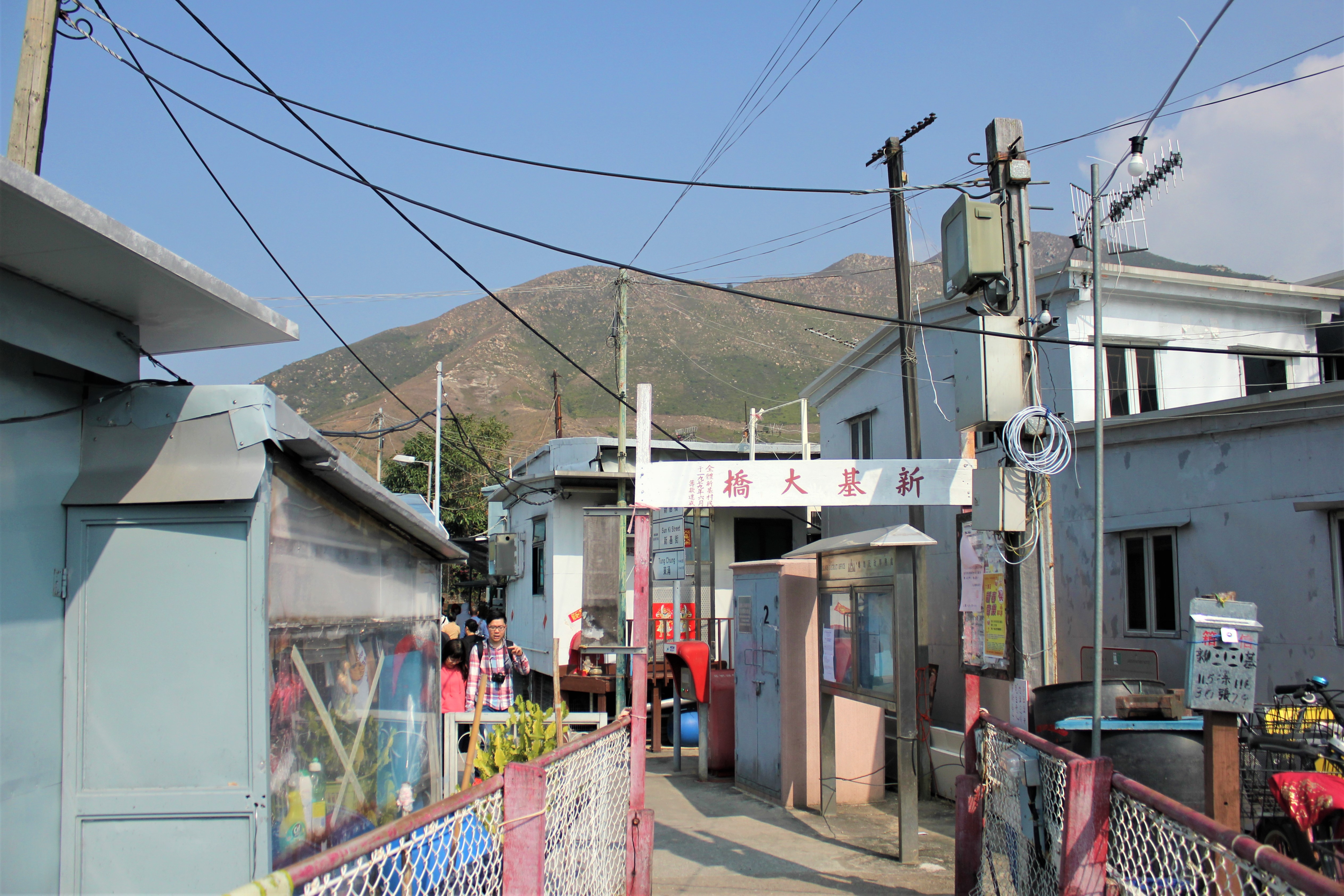
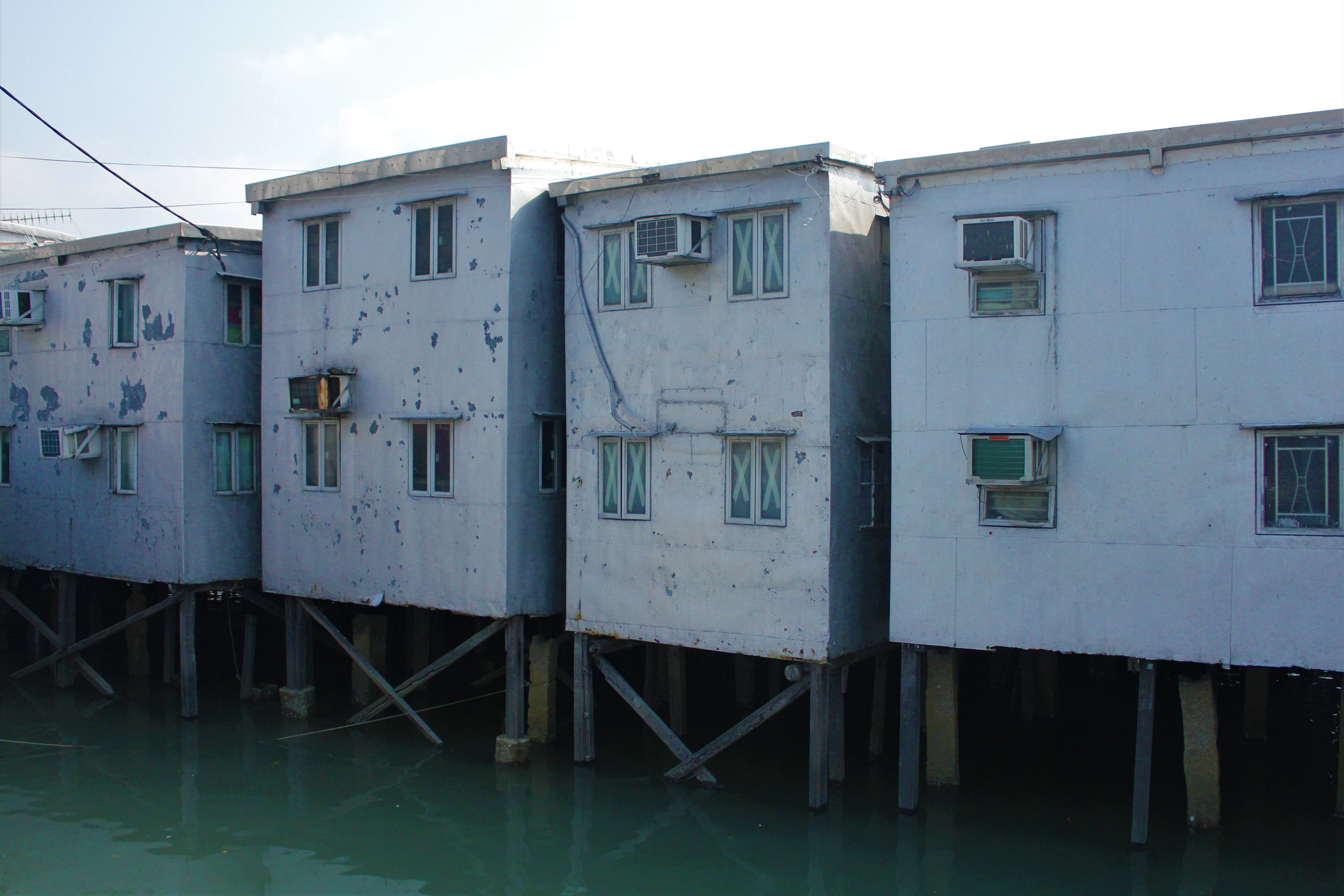
The next stop after Big Buddha was Tai O, which was like nothing I had ever seen in person before. Tai O, known as the “Venice of Hong Kong,” was filled with stilt houses from the 19th century and was the main entry point of refugees fleeing from China after the Civil War in 1949 by boat.
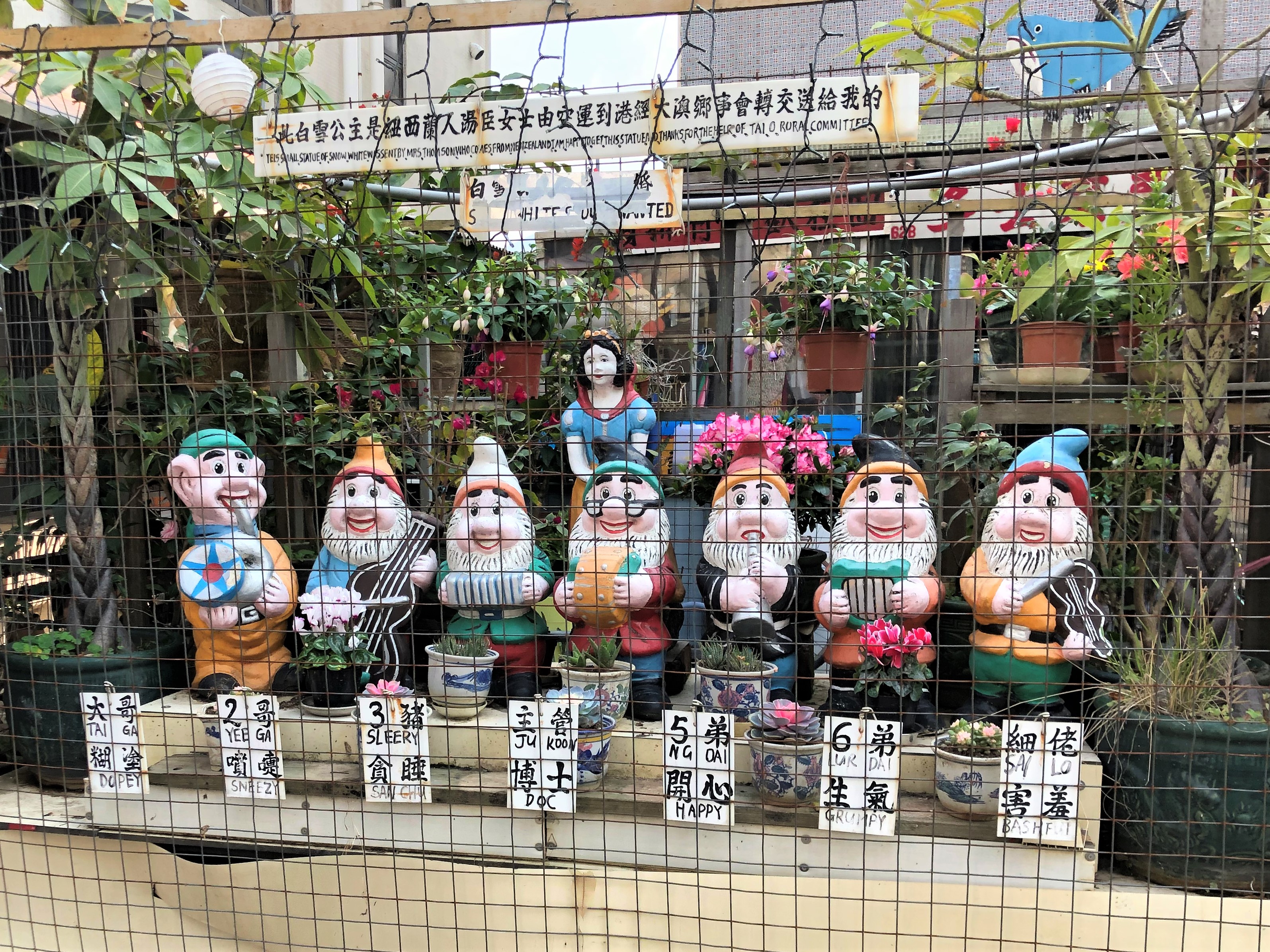
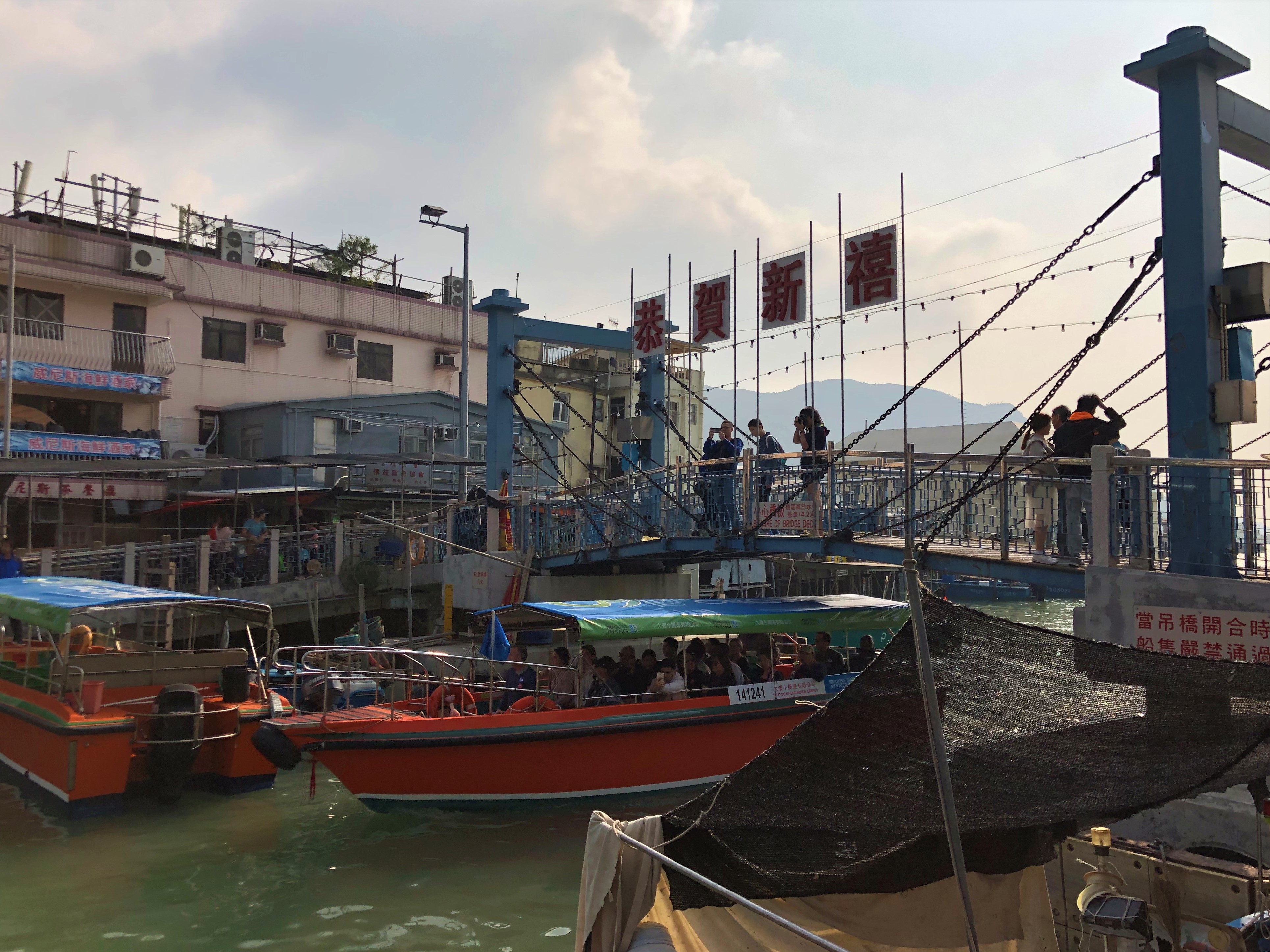
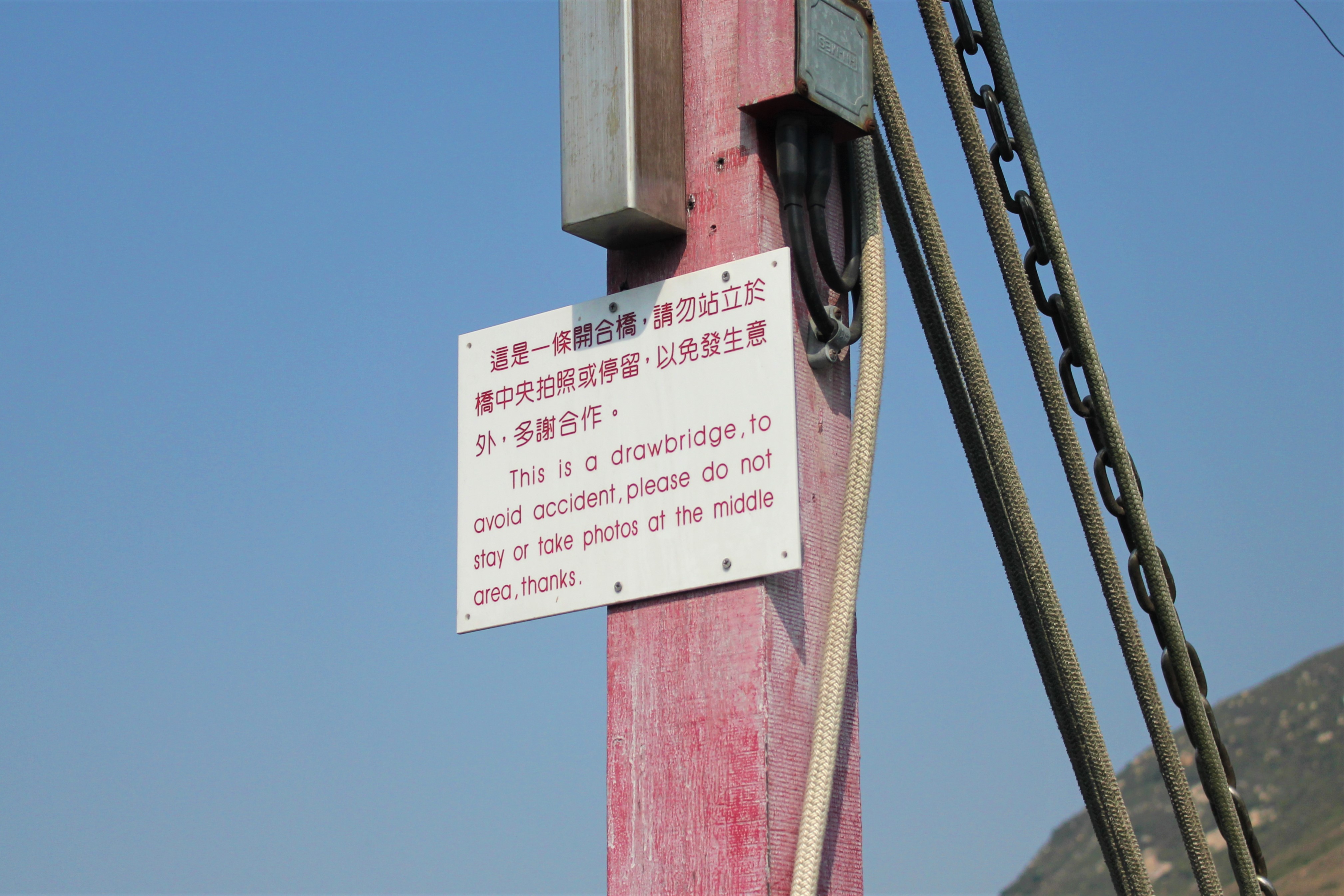
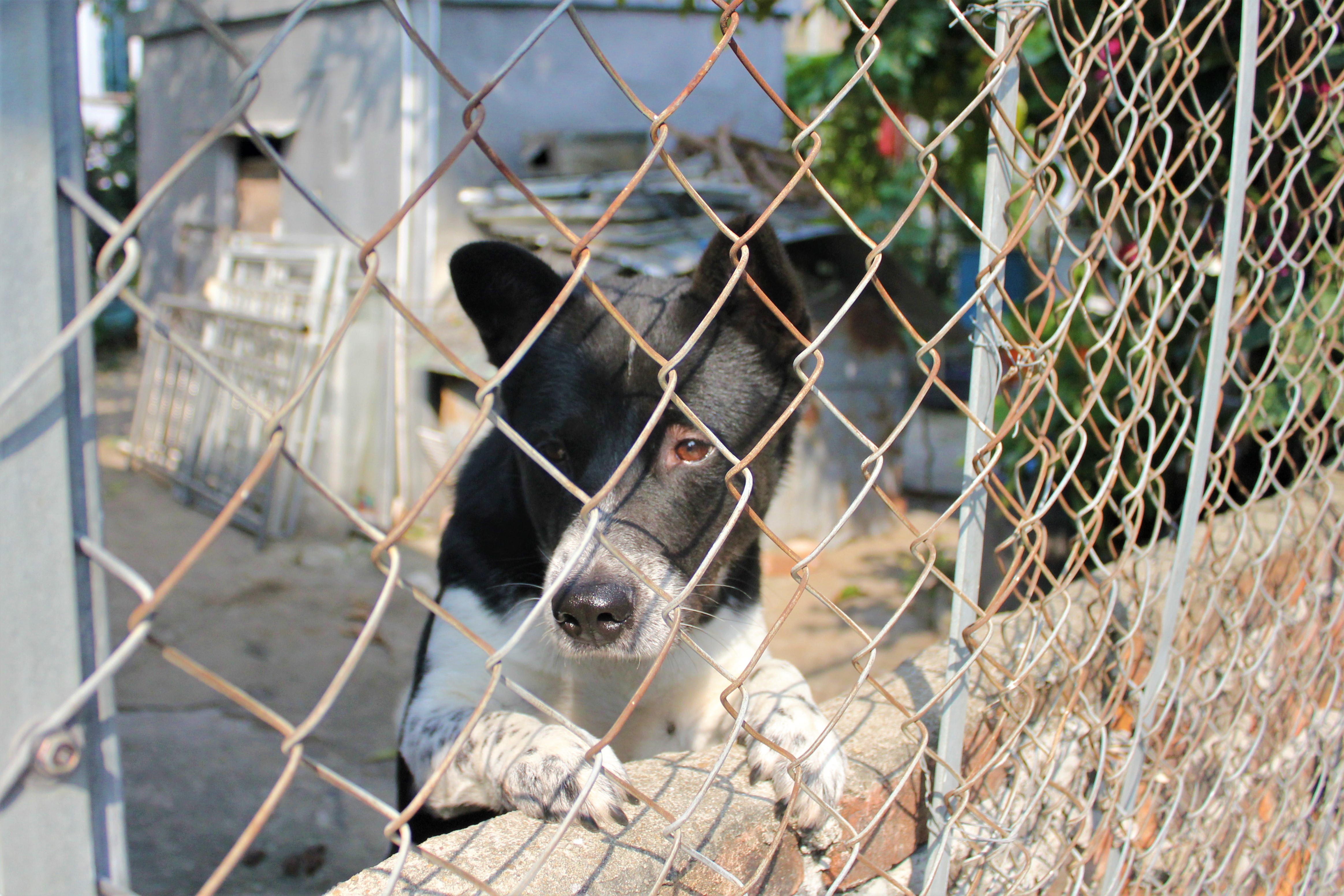
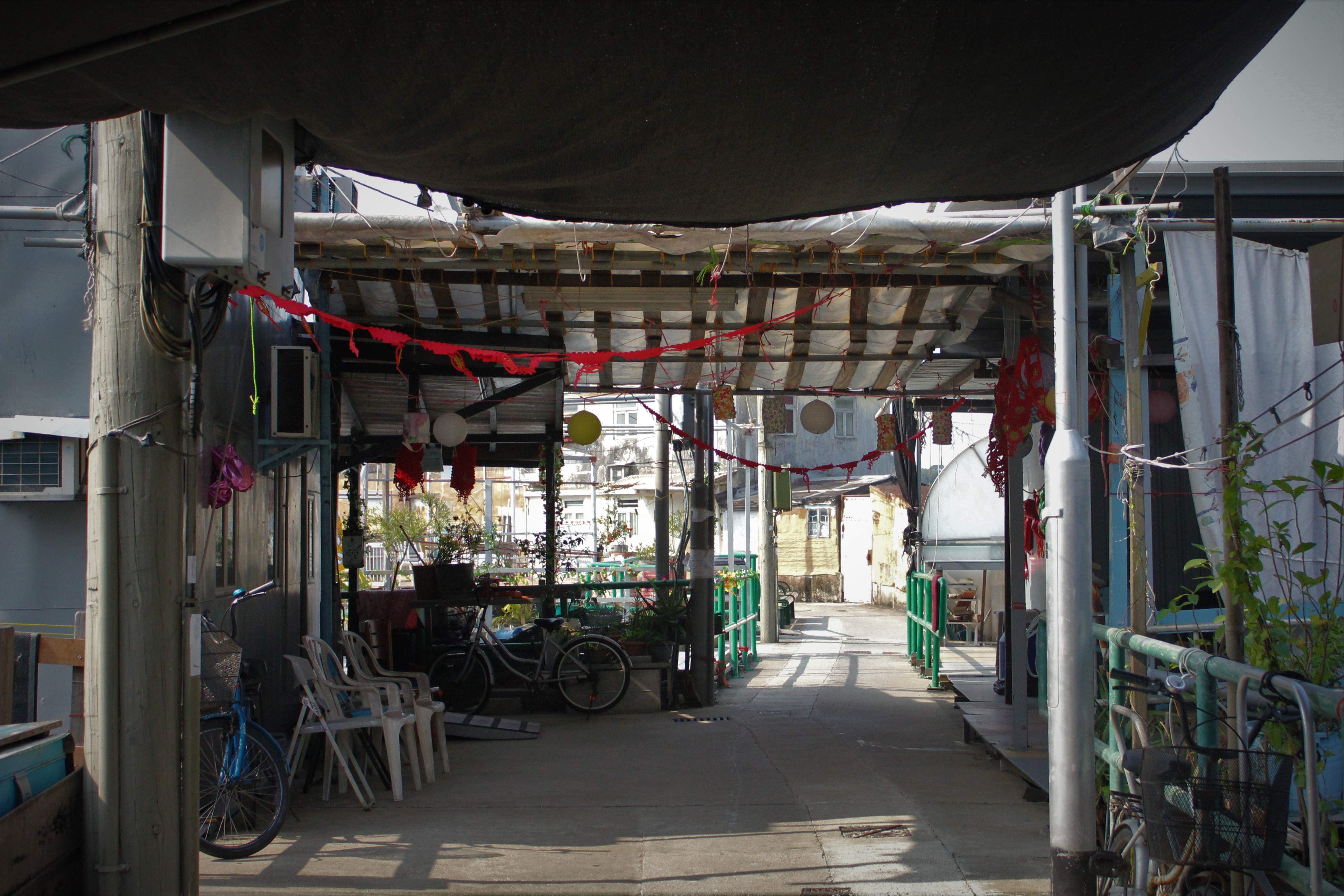
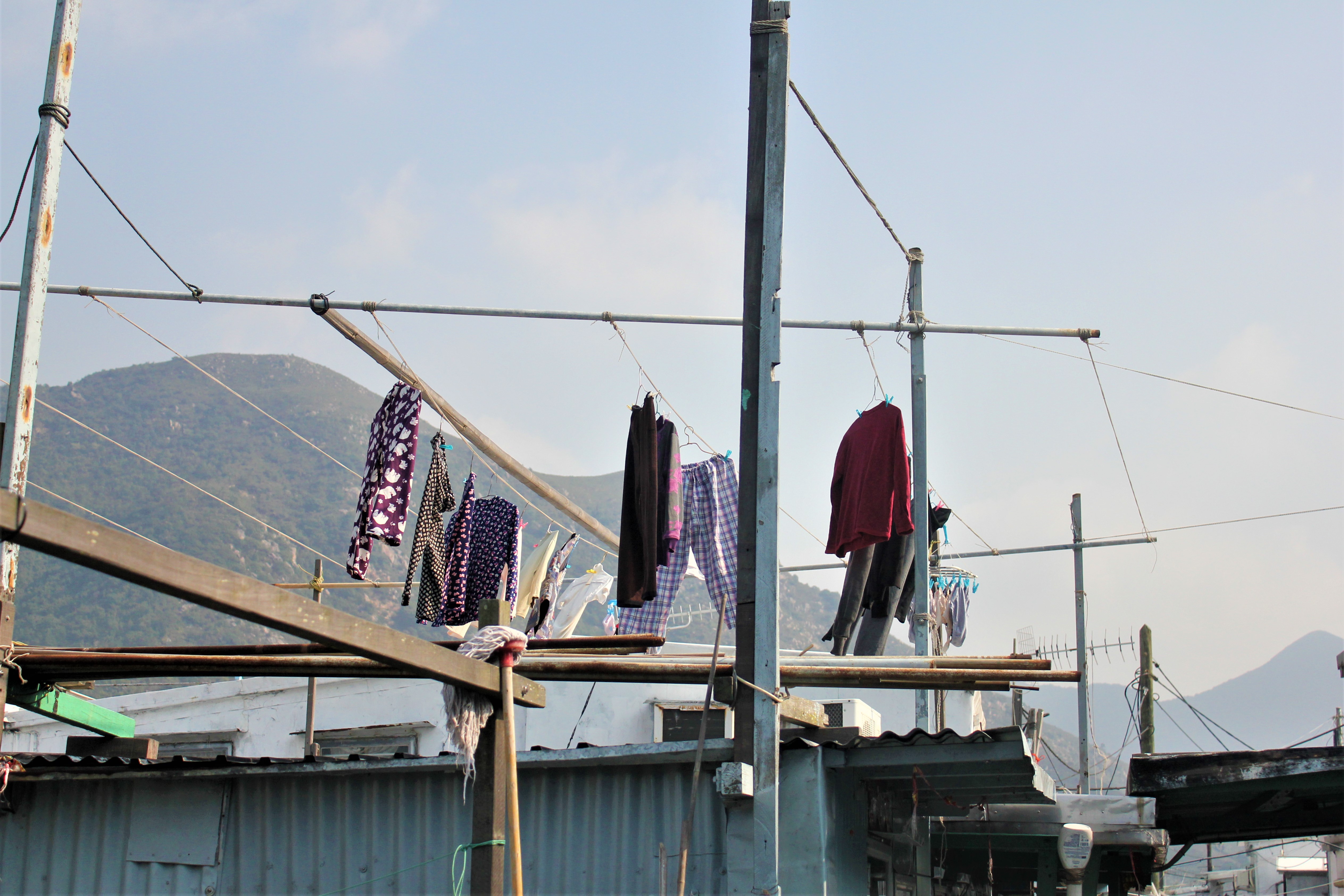
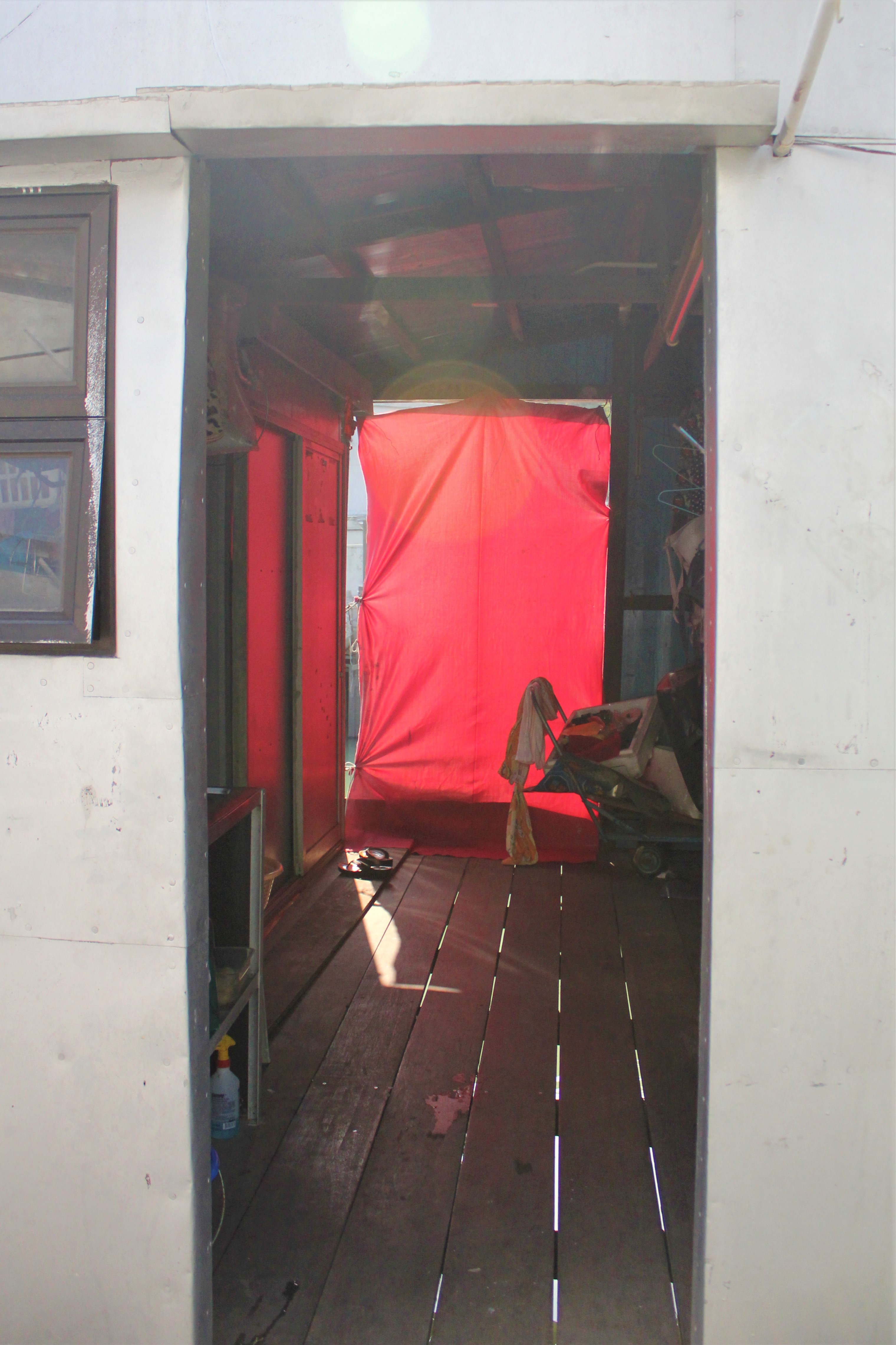
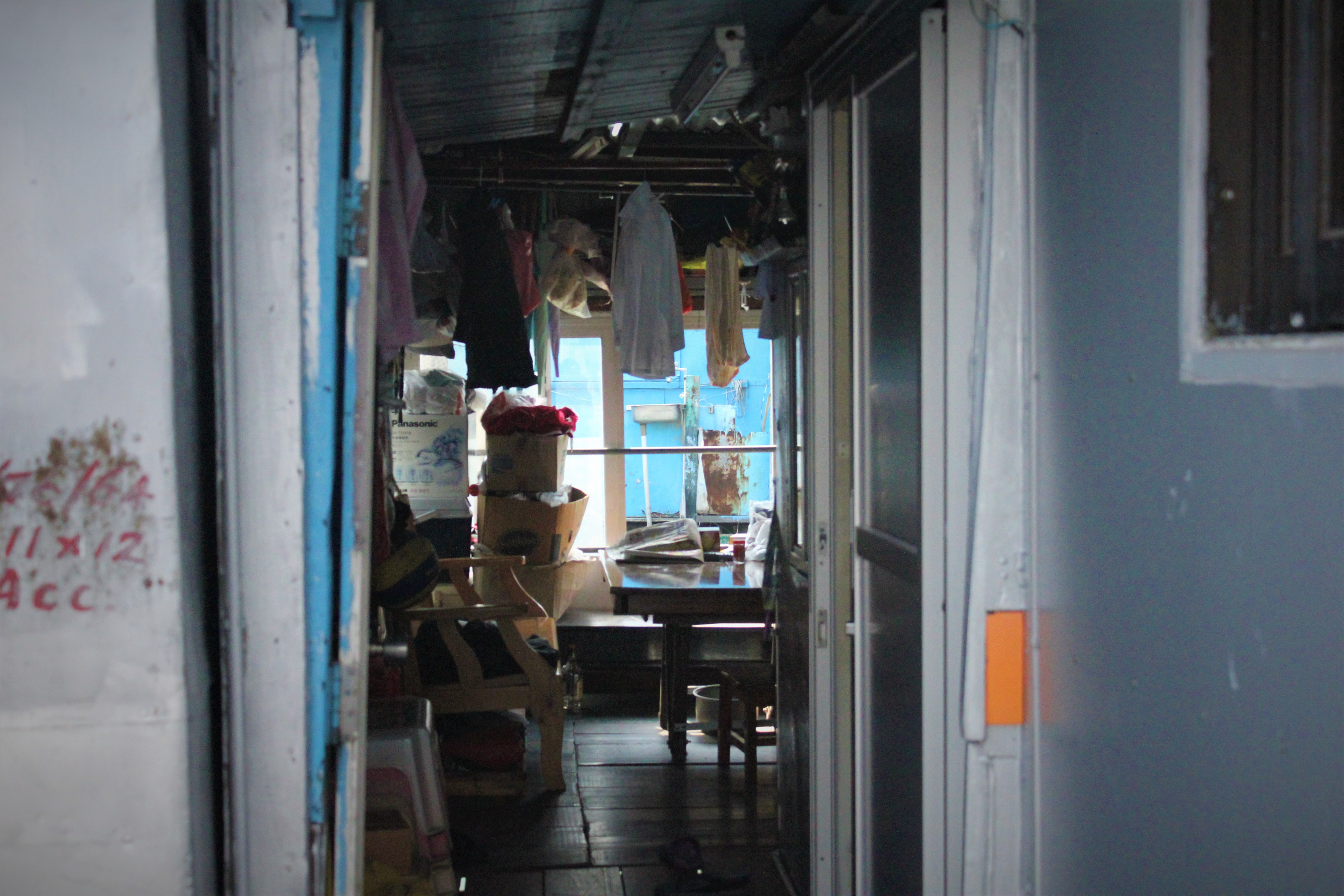
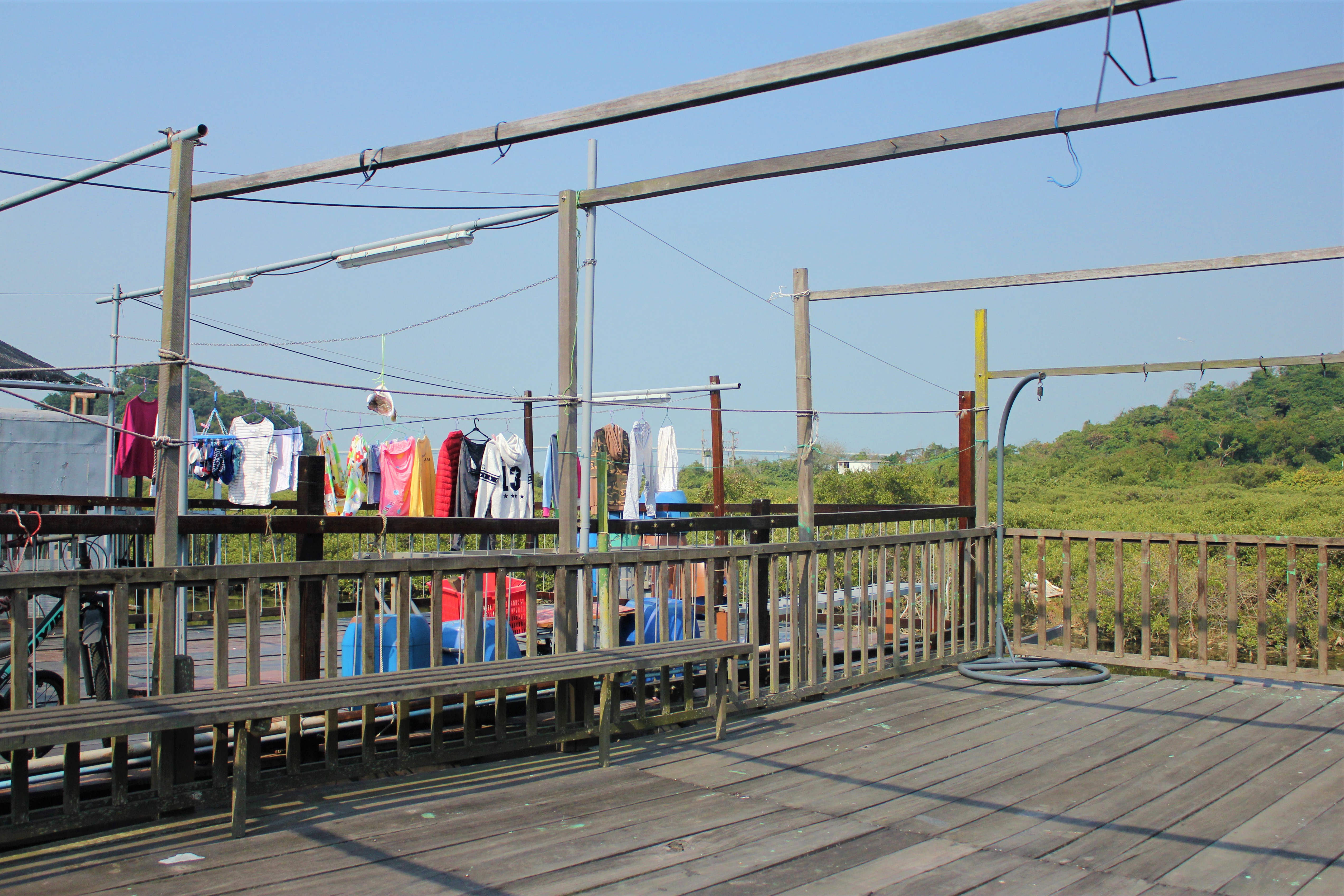
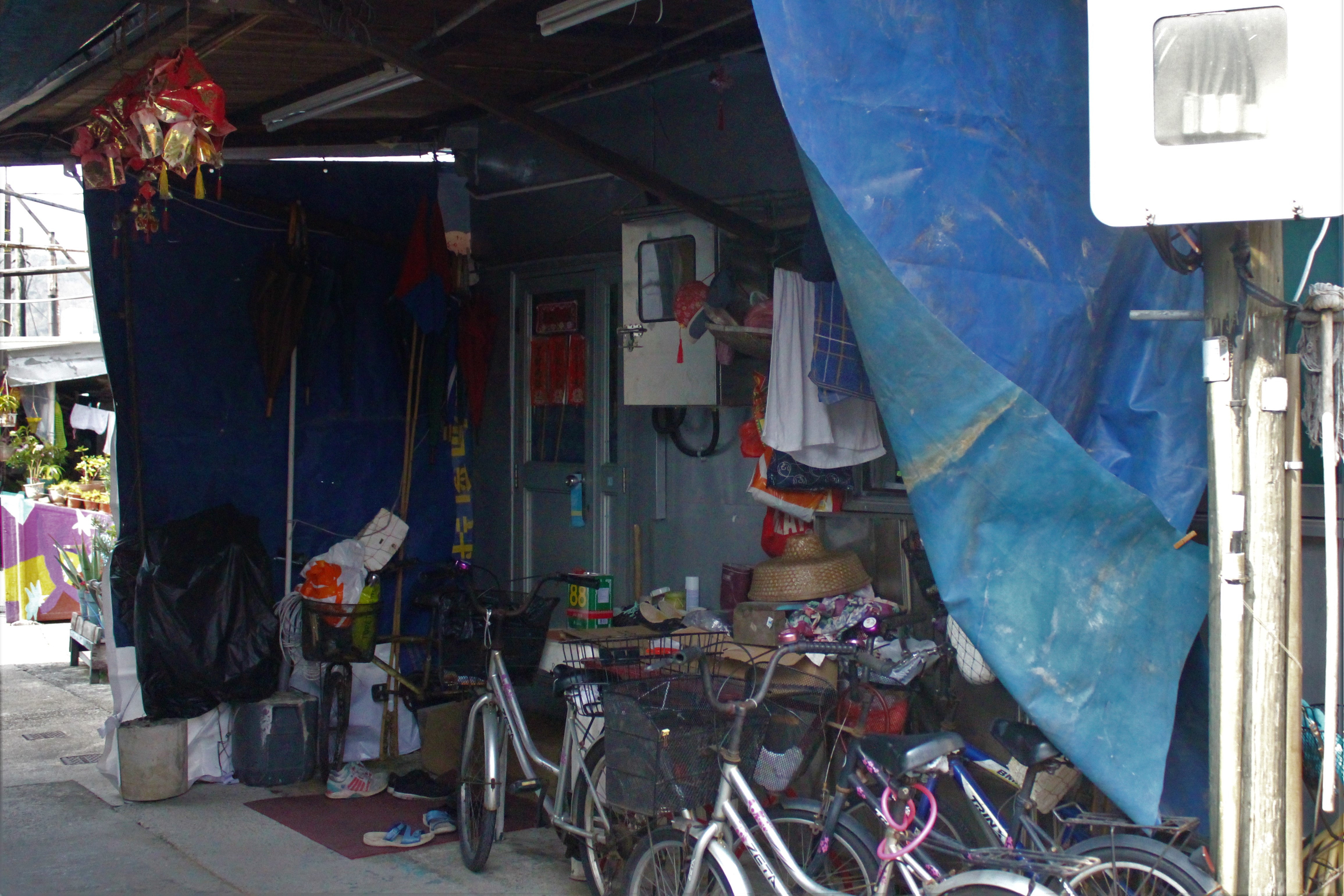
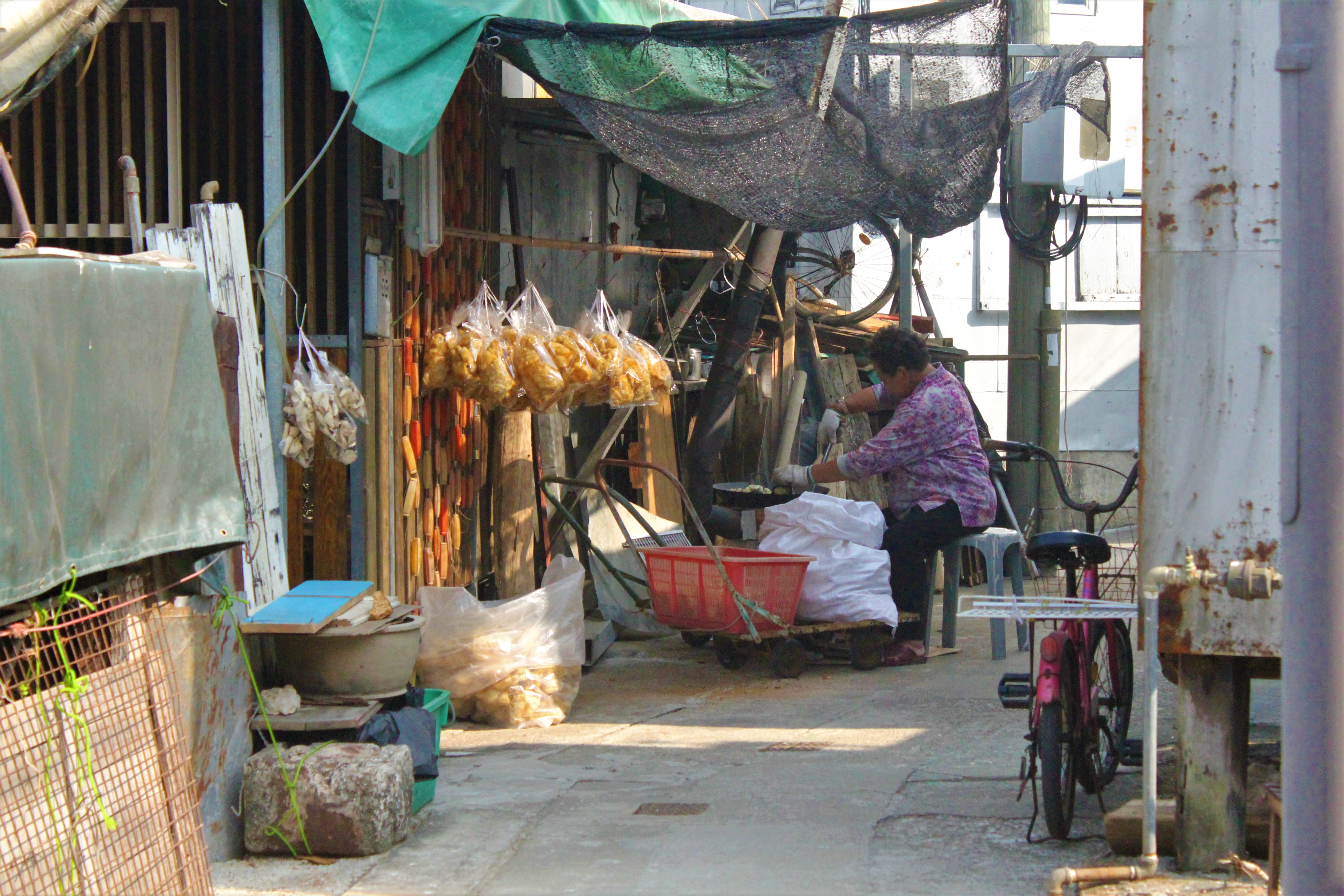
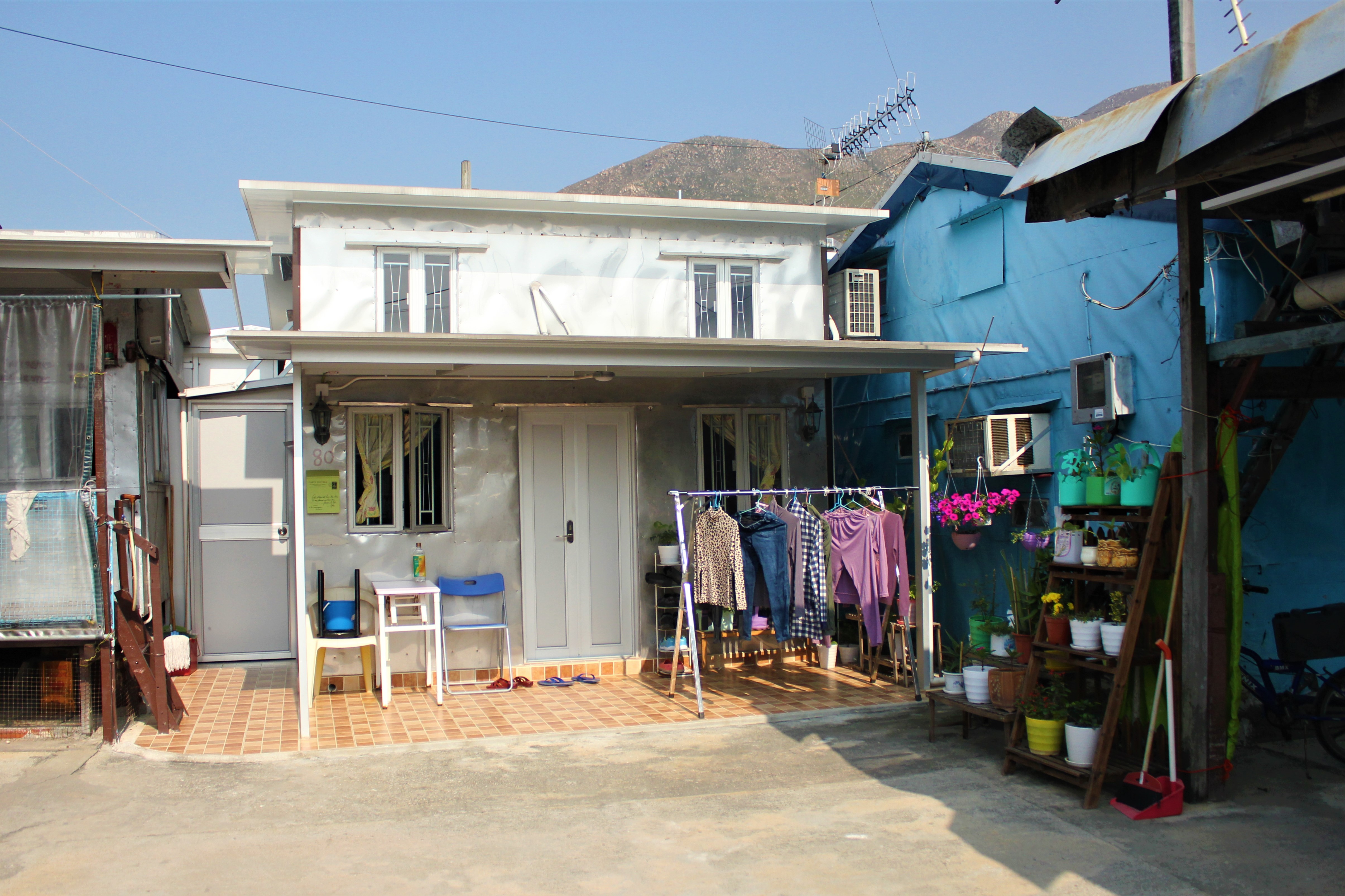
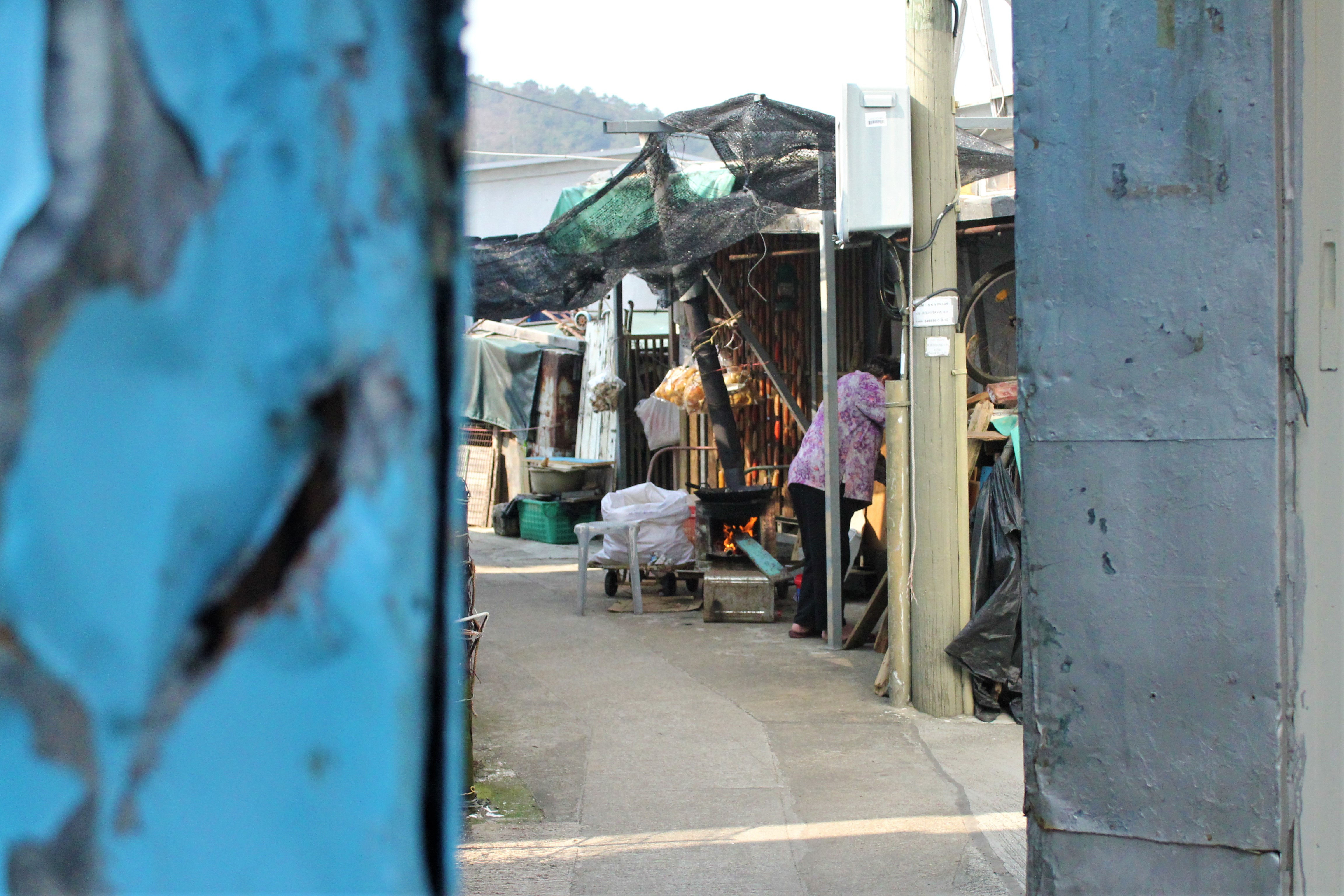
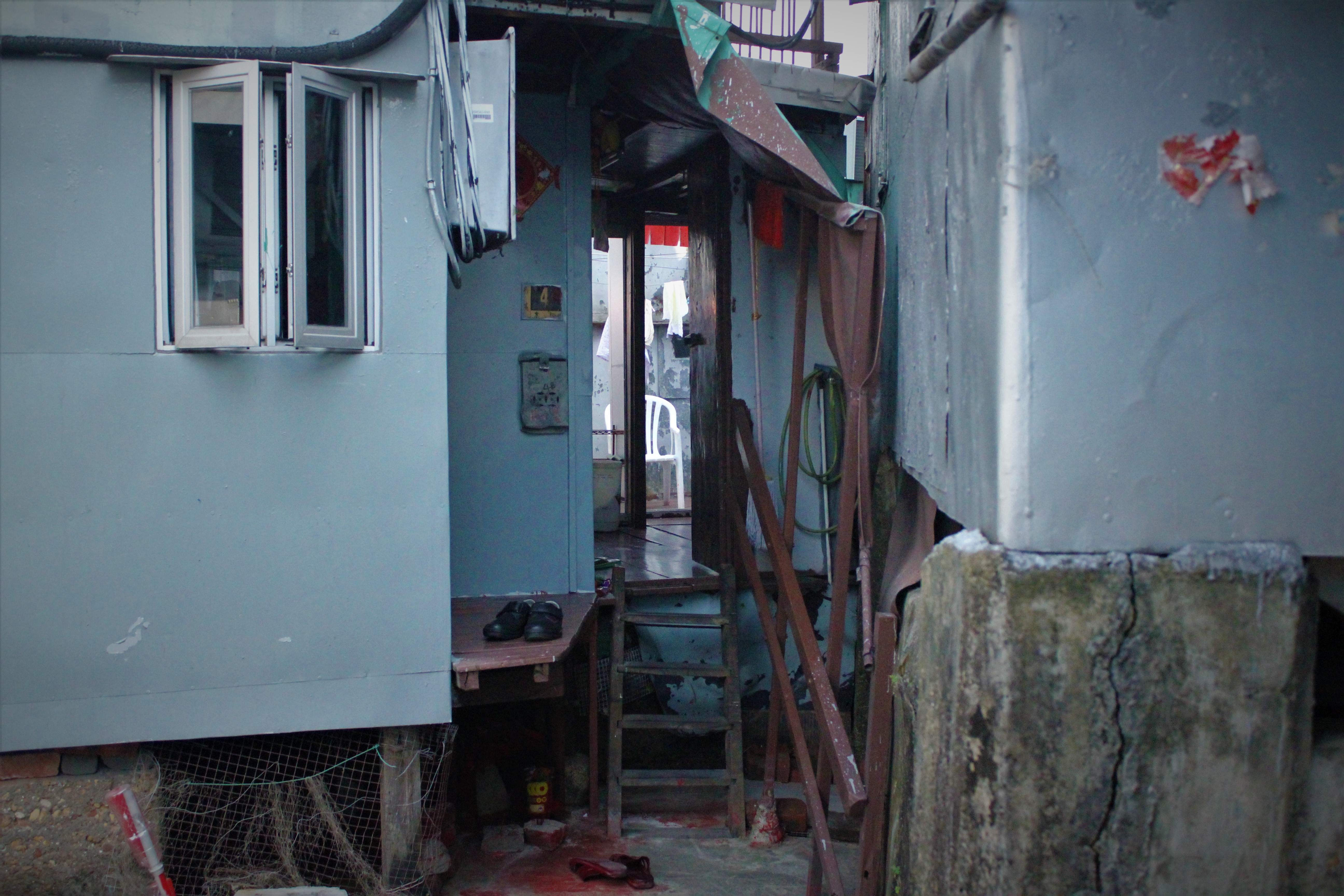
Upon instructions by our tour guide, Jessie, we followed her through the seafood market to a bridge to take a group photo. I must had not been paying attention because I never ended up in the group photo. Instead, I wandered off by myself to explore the ins and outs of the Tai O stilt houses. They were incredibly small and I couldn’t help but peer inside each house that I passed by. Most had open windows or doors and were dark inside. There were sinks and fridges outside and clotheslines hanging between wooden beams. I happened to pass one house while a woman was leading two little boys out of the front door, saying (in the Cantonese equivalent) that their sister was taking a bath/shower. It was difficult for my head (and my heart) to wrap around the fact that children grew up in such living conditions and that many of the older people that I passed by had spent their lives in the stilt houses of Tai O. Even the dog looked sad in my photo. It was surreal and I felt humbled as tourist.
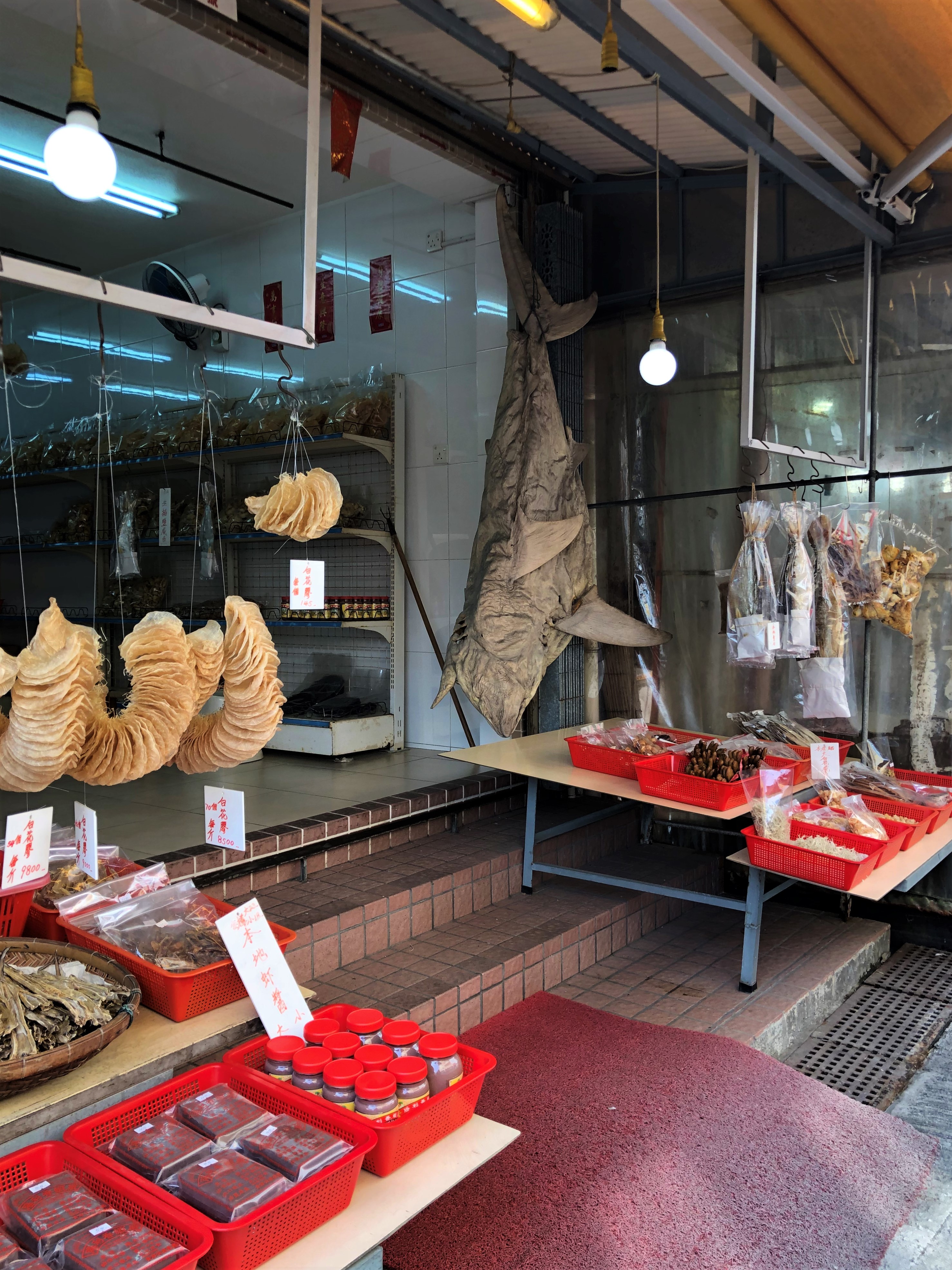
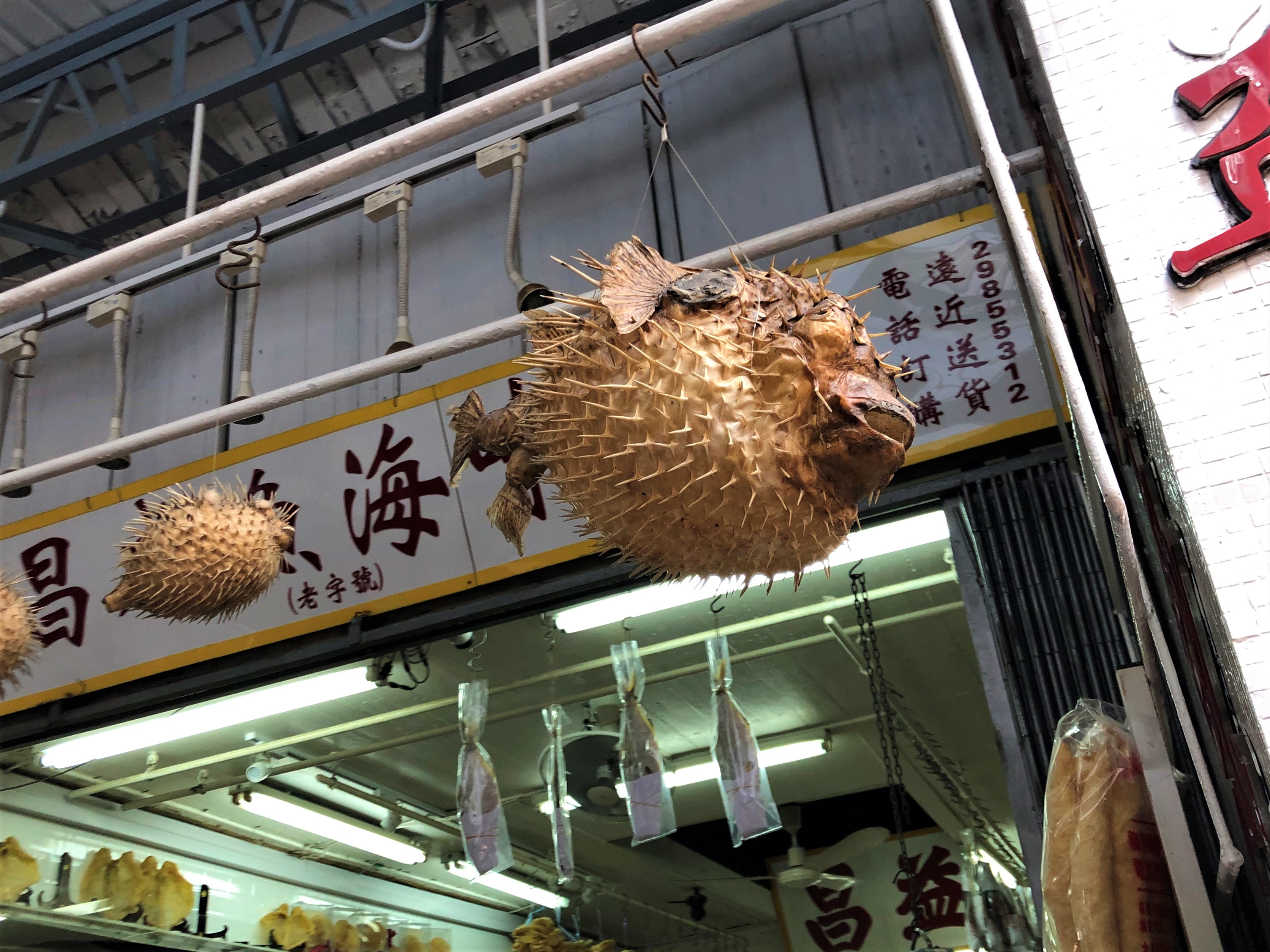
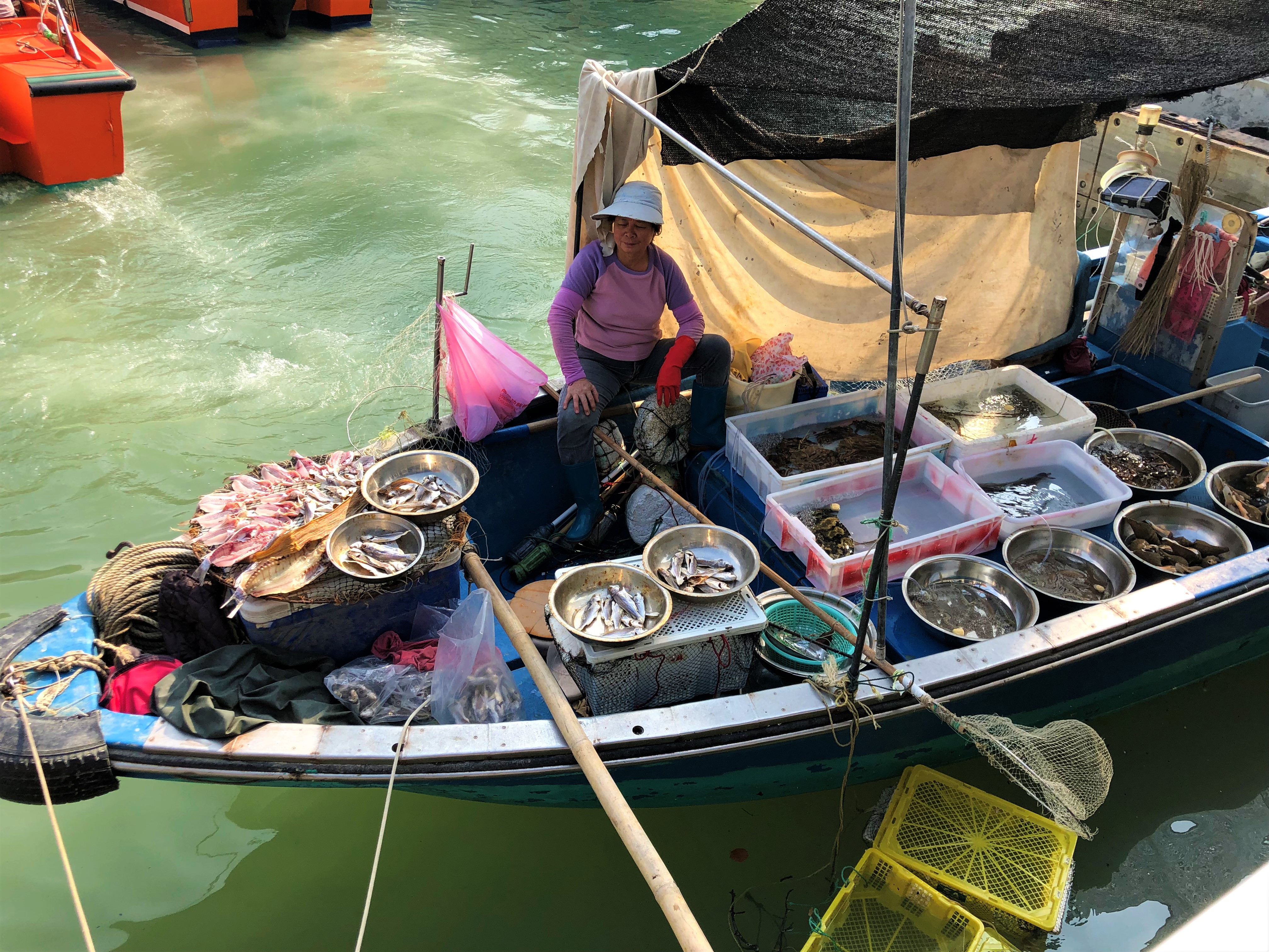
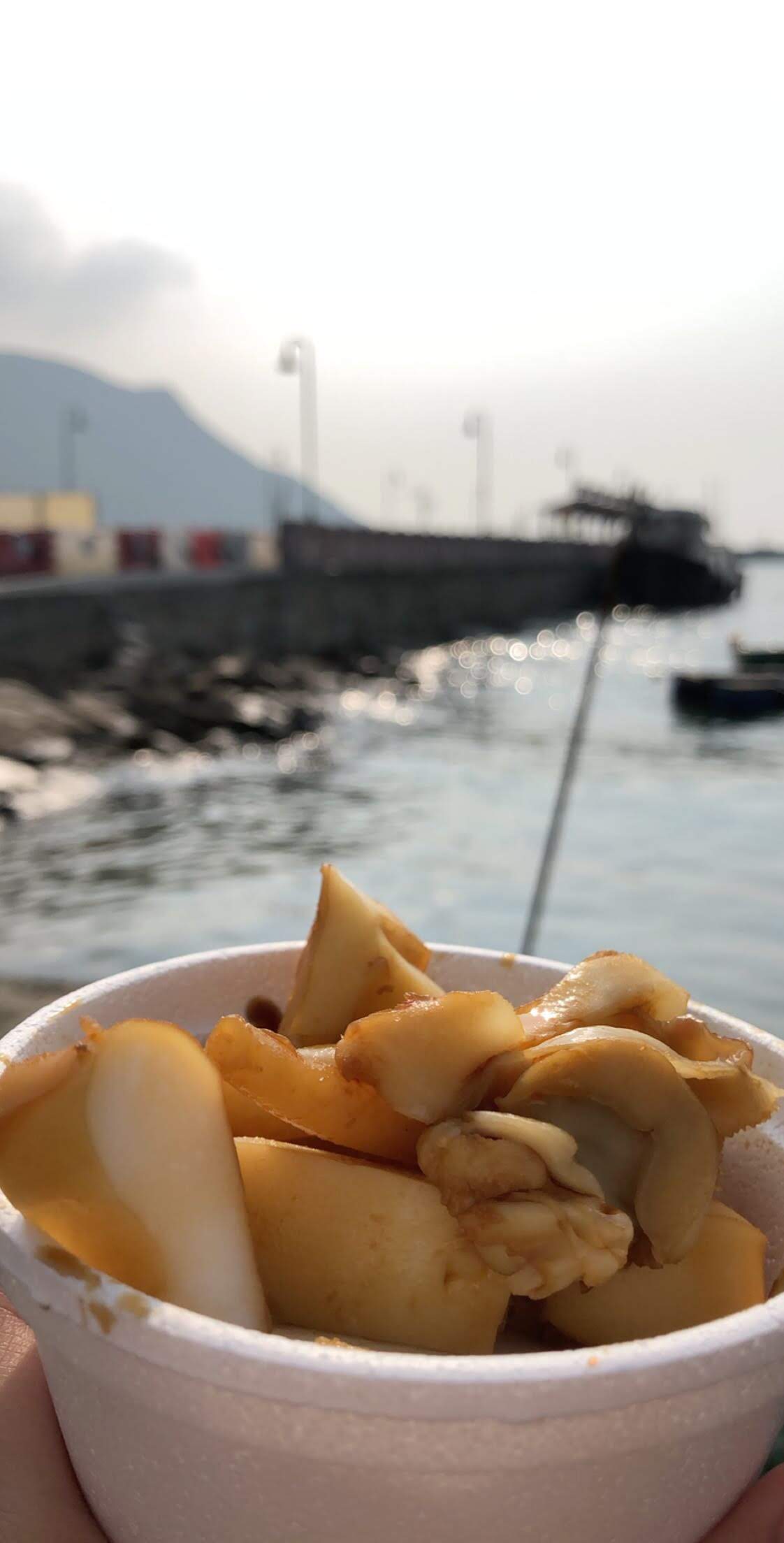
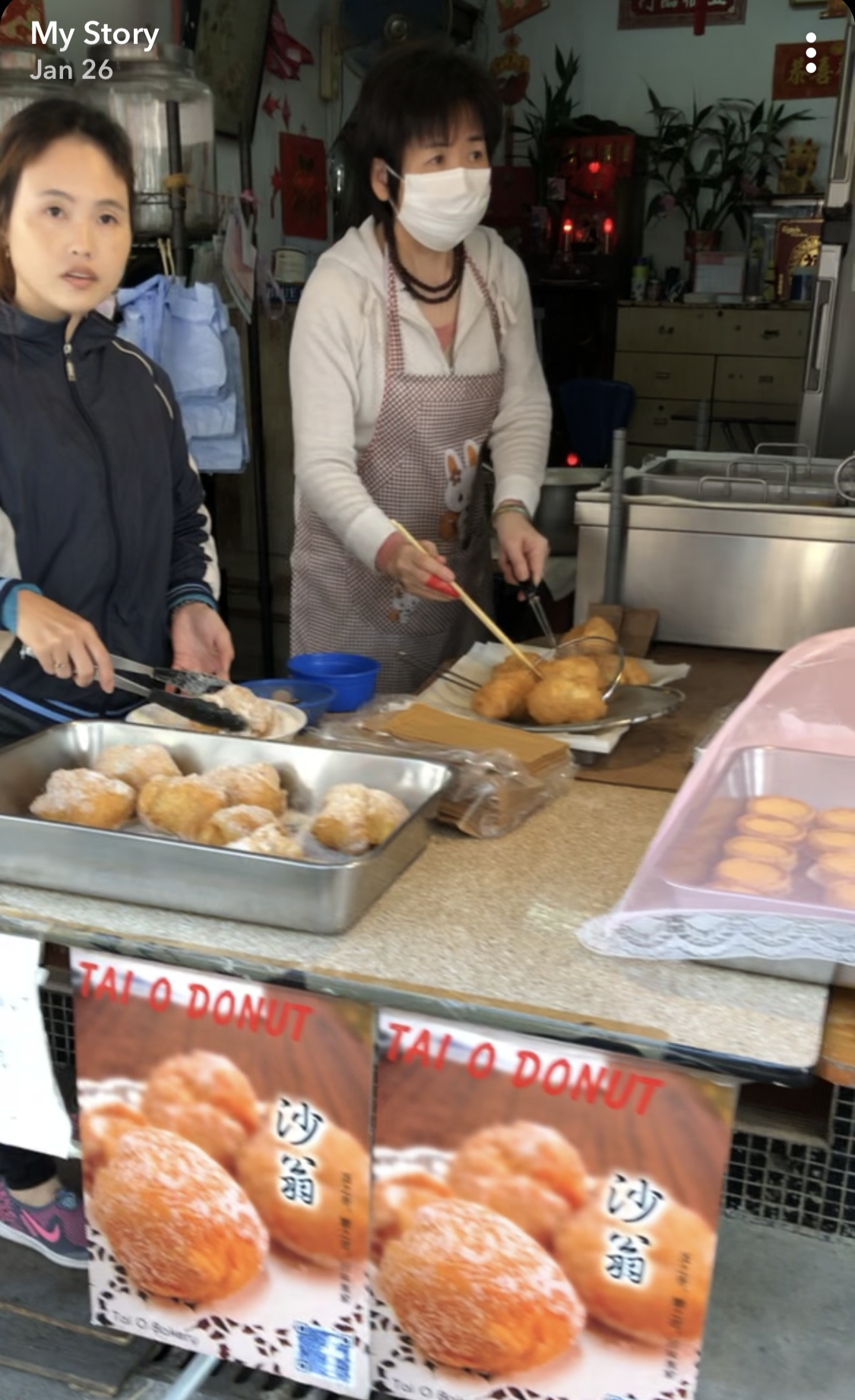
On my way back through the seafood market to find other exchange students, I indulged in the famous Tai O donut – a freshly made soft, deep-fried pastry coated in sugar. It was nice and hot when I got it. I also stopped at a busy street stall for some fresh cuttlefish with chili sauce. (My vegetarianism lasted only one meal.)


Love the off the beaten path you took.
LikeLike