

My mom (far left), aunts, and uncles in front of Big Buddha in 2012! 
Working on math with my dad over FaceTime when he was in HK (2012)
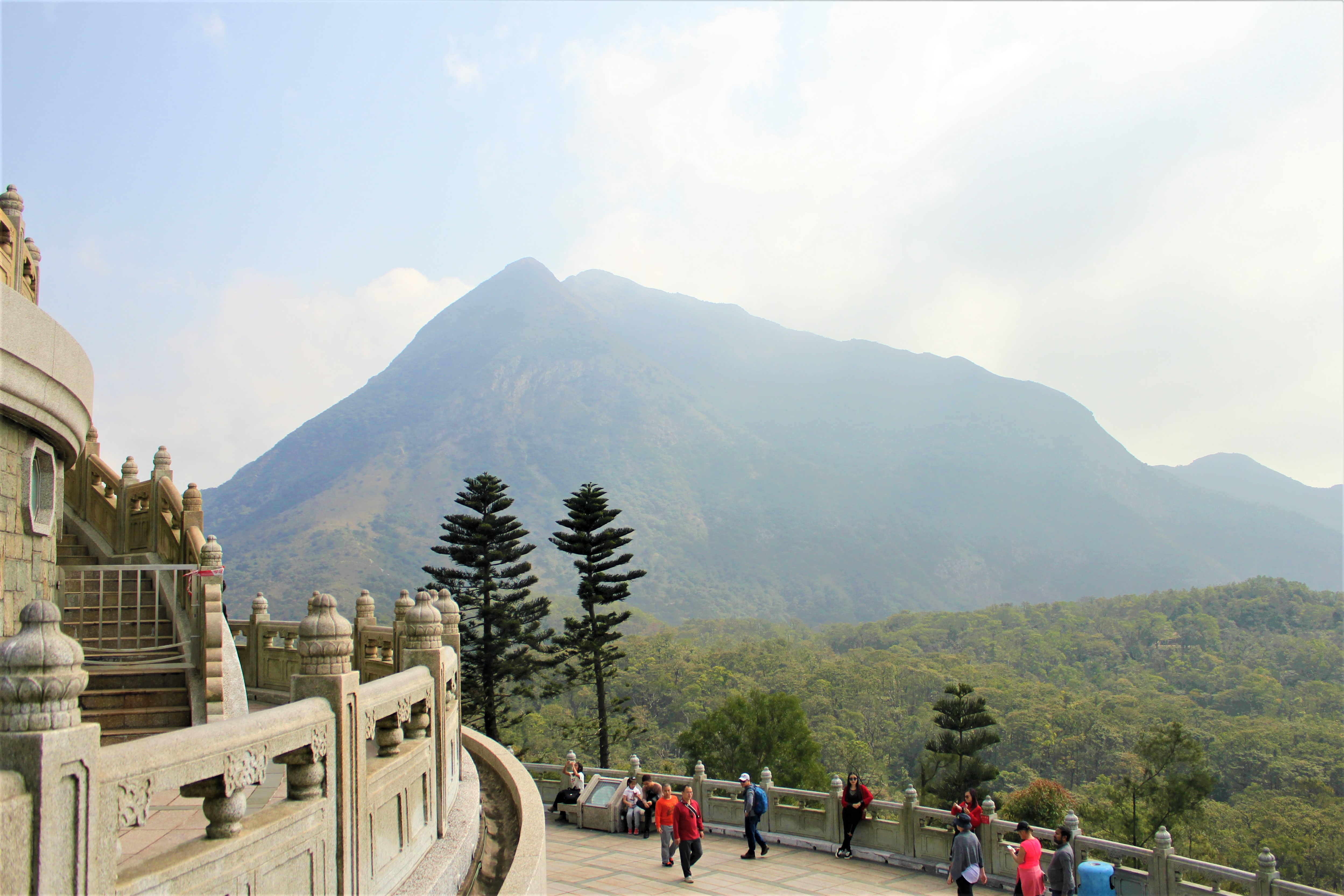
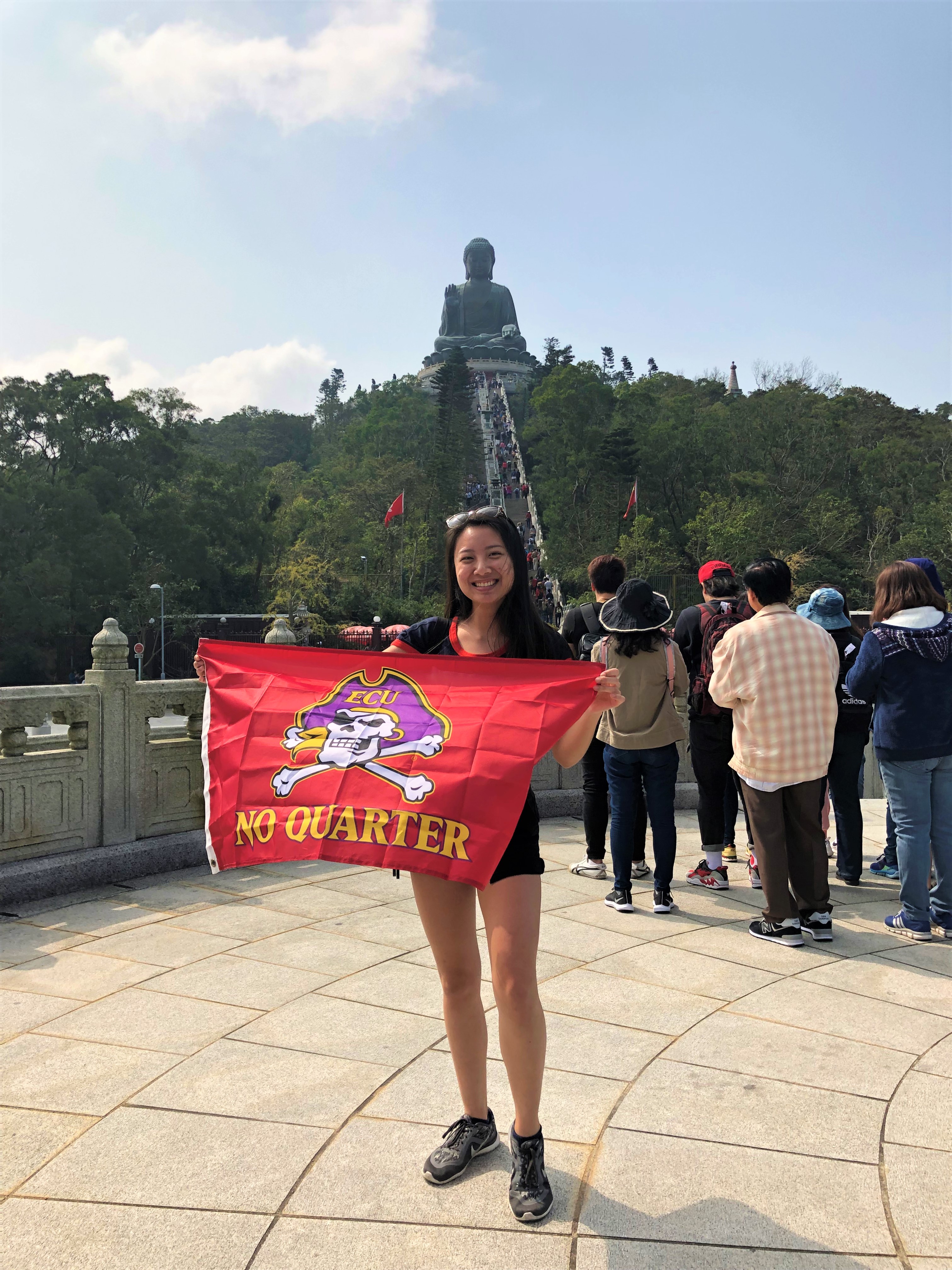
I remember when my parents visited Hong Kong back in 2012 for a family wedding. My sisters and I still had school, so we stayed at home with relatives. We FaceTimed whenever we can, even going over some homework. When they returned, they showed us the photos and I thought that Hong Kong was so far away and so different from home. It was somewhere I hadn’t imagined to be seven years later. Well, now I have been able to retrace their steps a bit with the visit to the Big Buddha, a famous bronze statue of Buddha Shakyamuni located near Po Lin Monastery on Lantau Island.
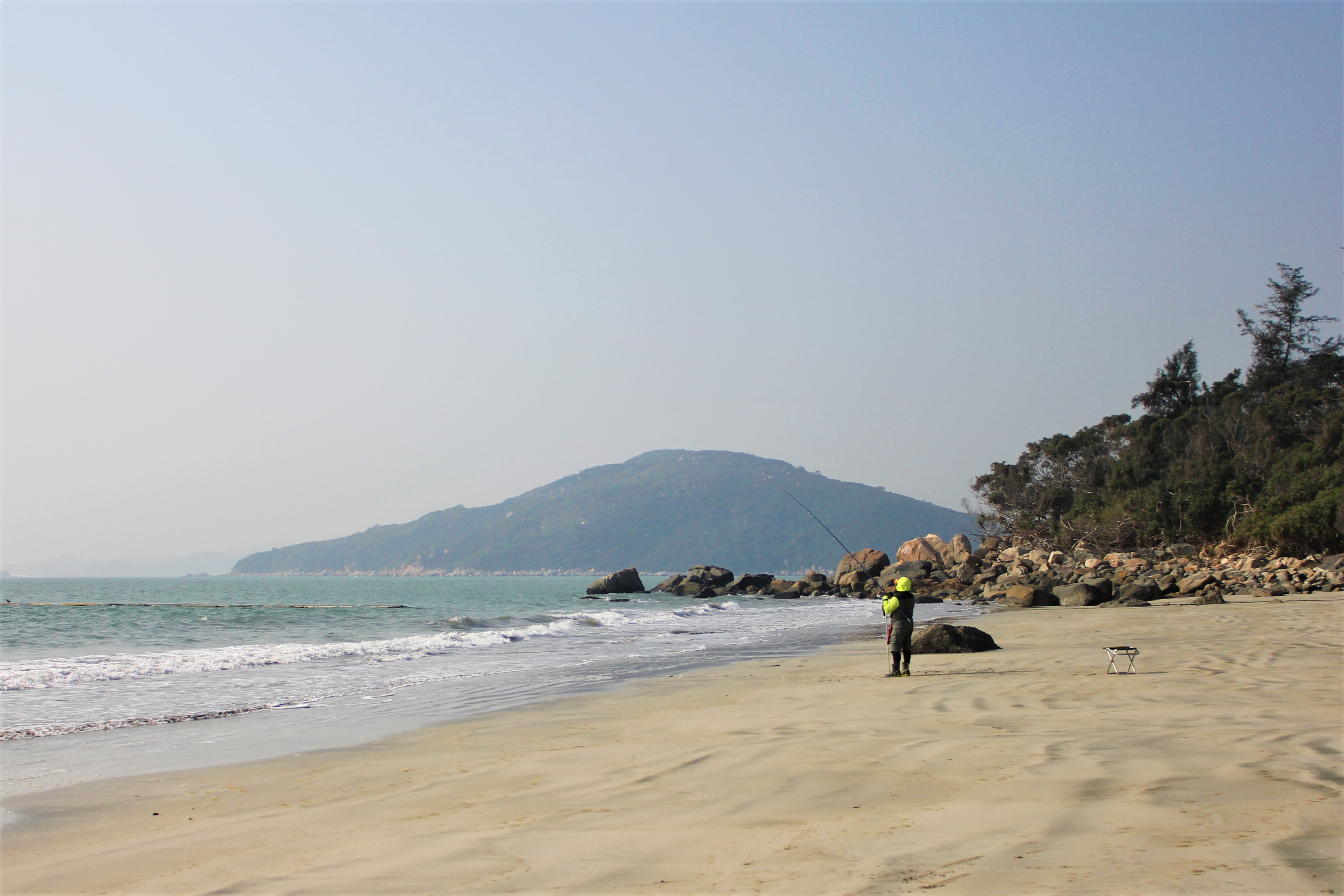
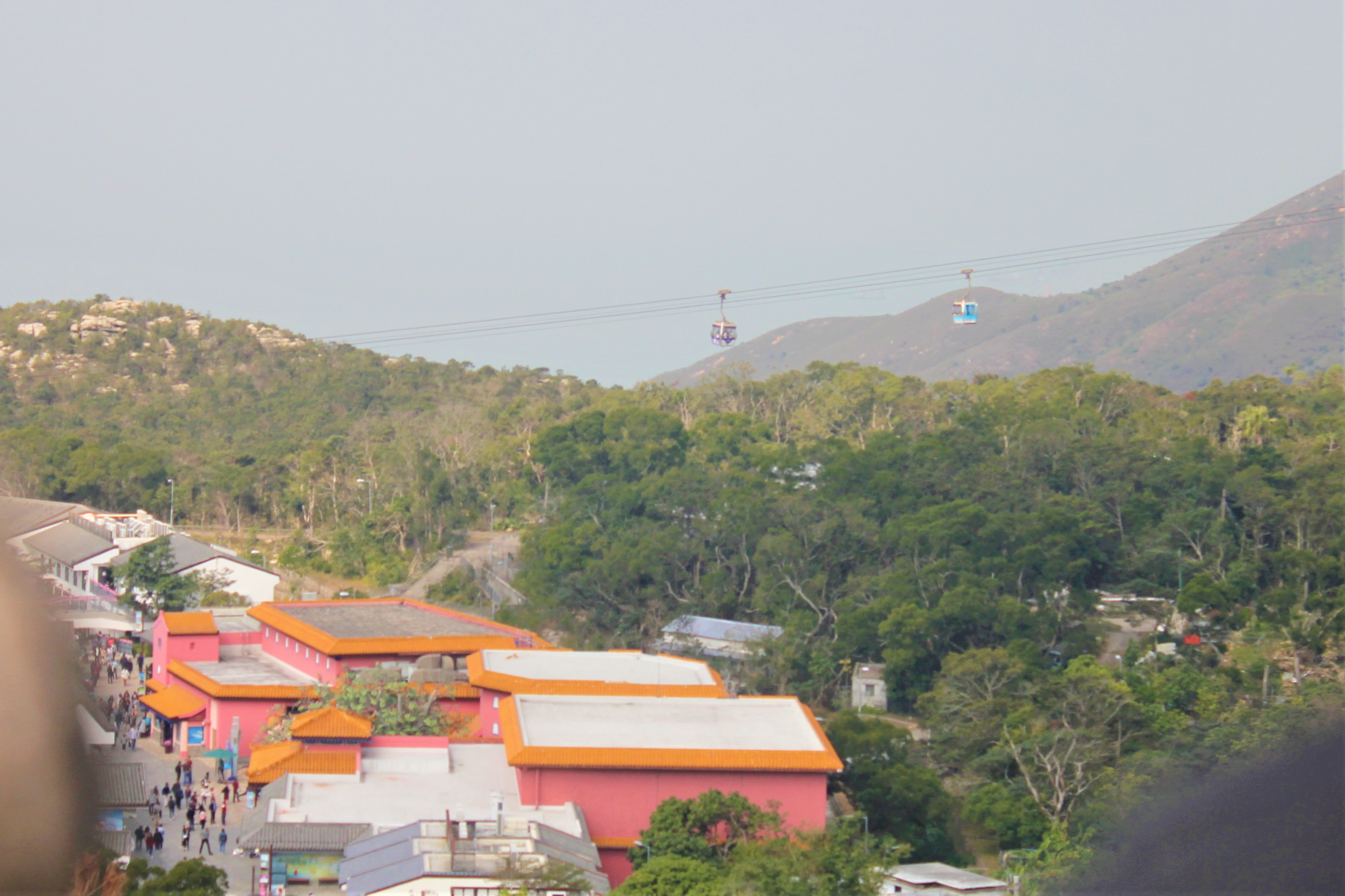
CUHK does a wonderful job arranging tours for international students to see different parts of Hong Kong. This week, we toured Lantau Island (with a quick break at a pristine beach), Po Lin Monastery and Big Buddha, and Tai O fishing village. Considering it was a Saturday and the weather was perfect, all three sites were surprisingly not too busy. The beach was completely vacant save for one fisherman before our bus unloaded forty-some foreign exchange students onto its shores.
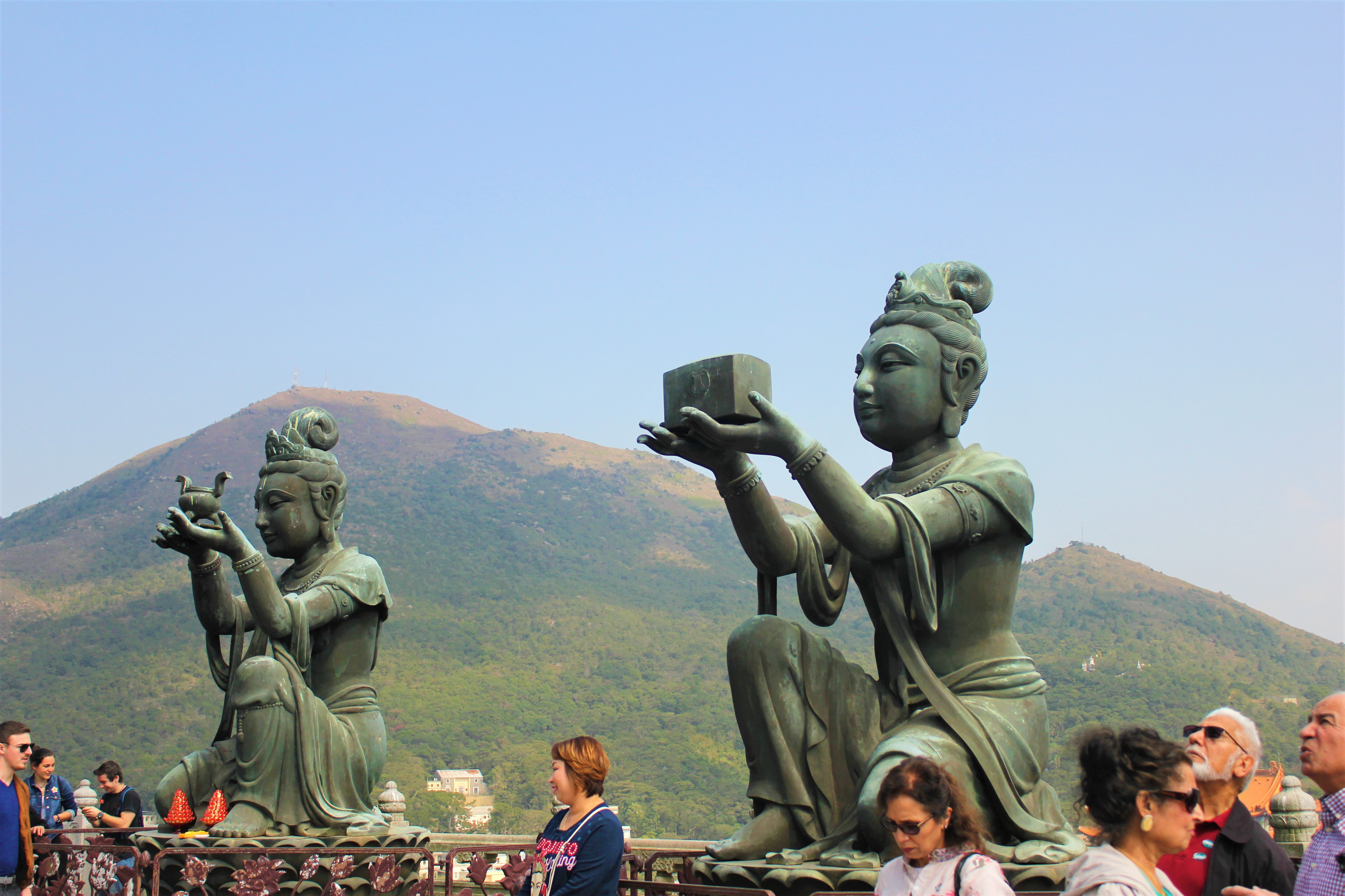
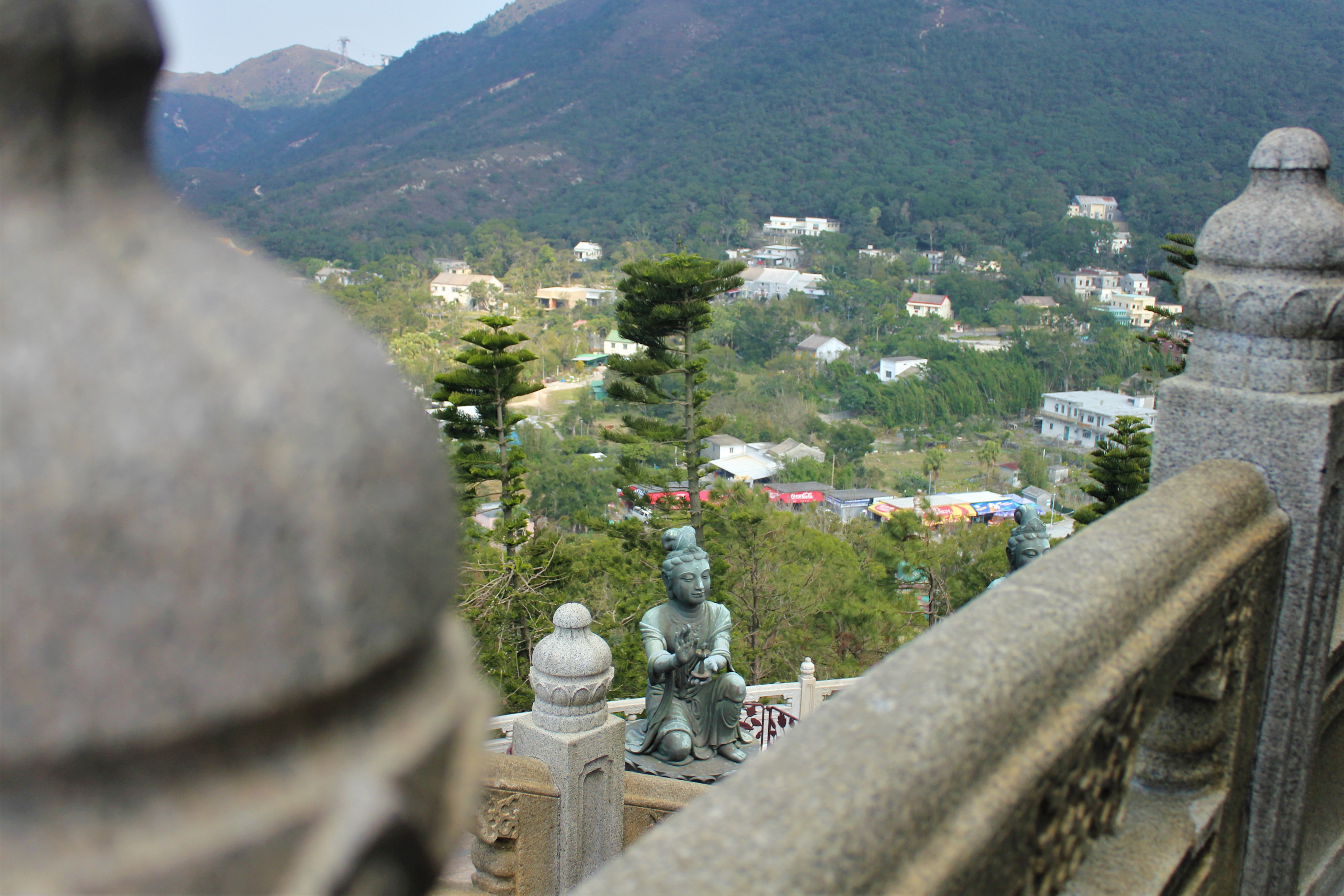
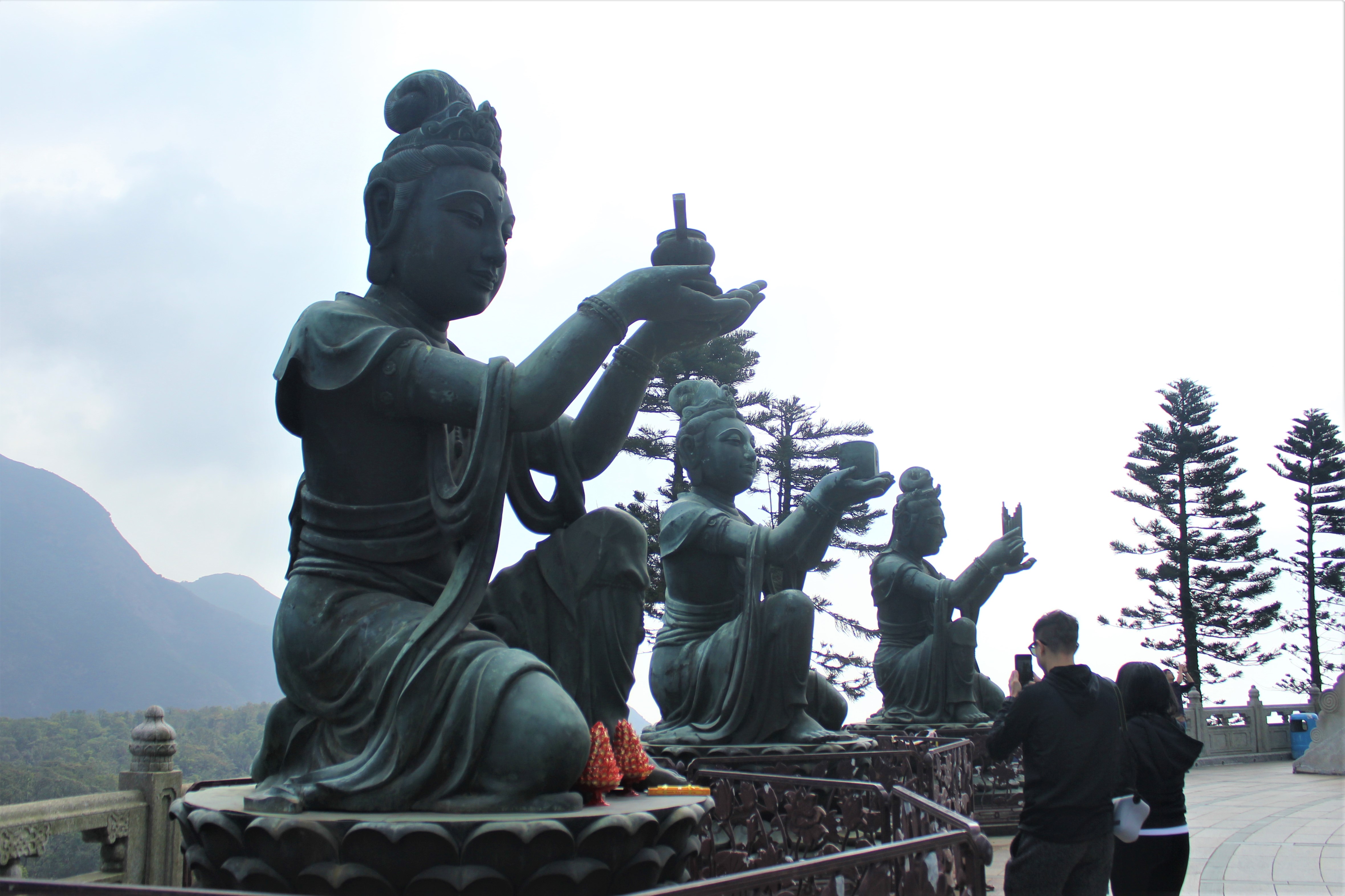
The day in its entirety was incredibly peaceful and much of it was spent reflecting on a different way of life. We were lucky enough to have both physical space and head space after climbing the 268 steps up to Big Buddha. Sitting 34 meters high (approximately 112 feet), the Big Buddha, completed in 1993, is meant to symbolize the harmonious relationship between man and nature, people and faith. Surrounding it at its base are six smaller statues, known as “The Offering of the Six Devas,” (not Divas!) which symbolize the Six Perfections of generosity, morality, patience, zeal, meditation, and wisdom.
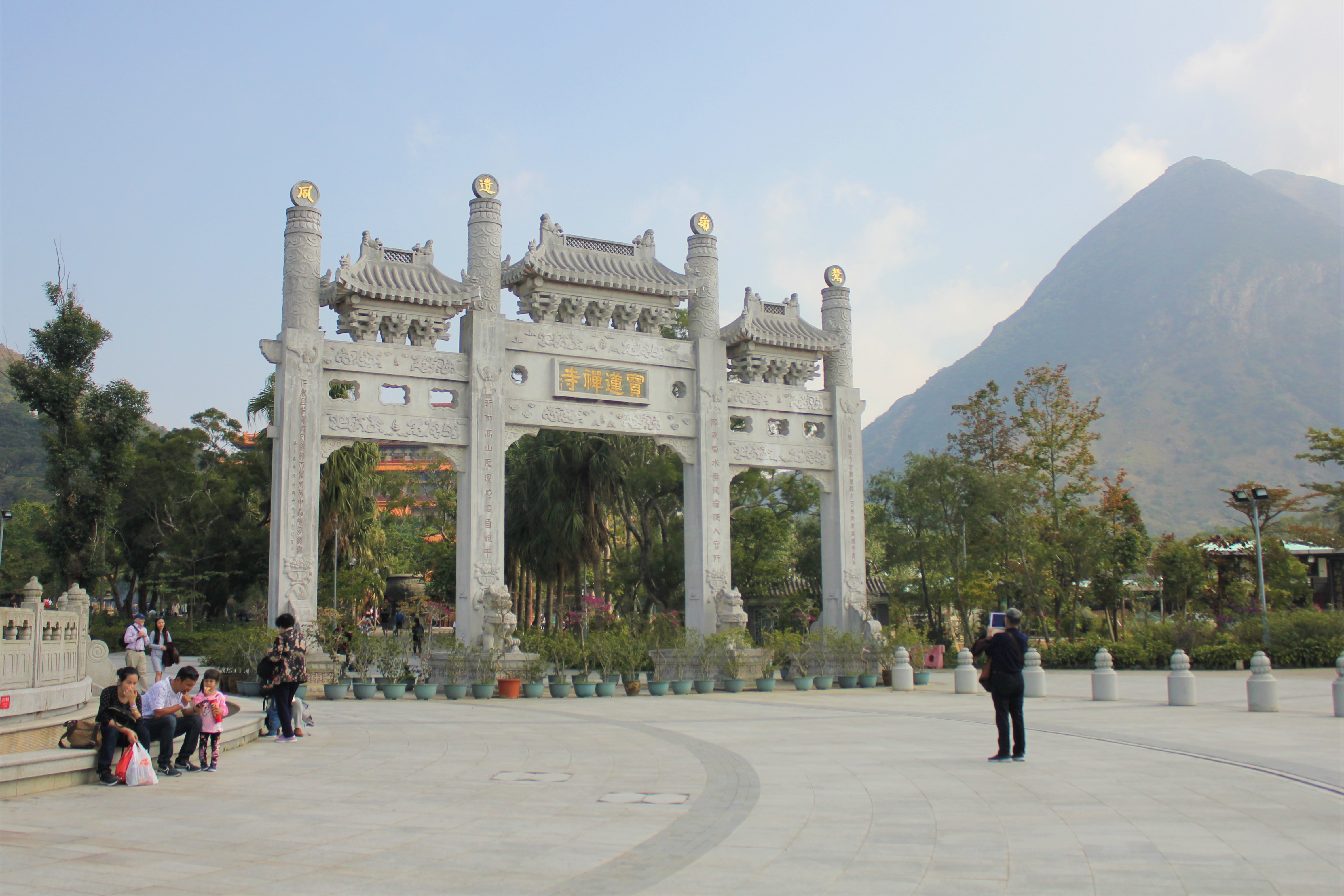
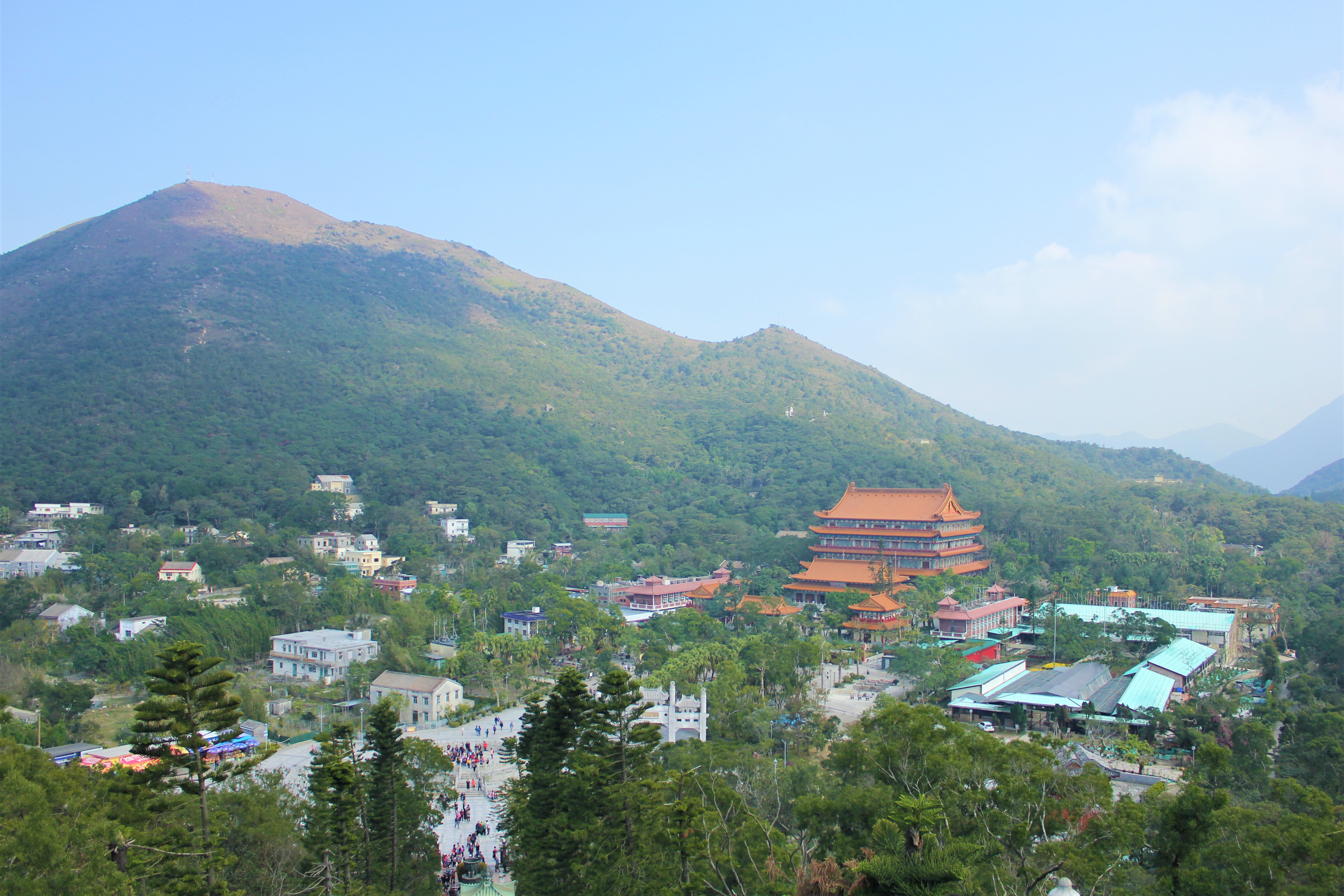
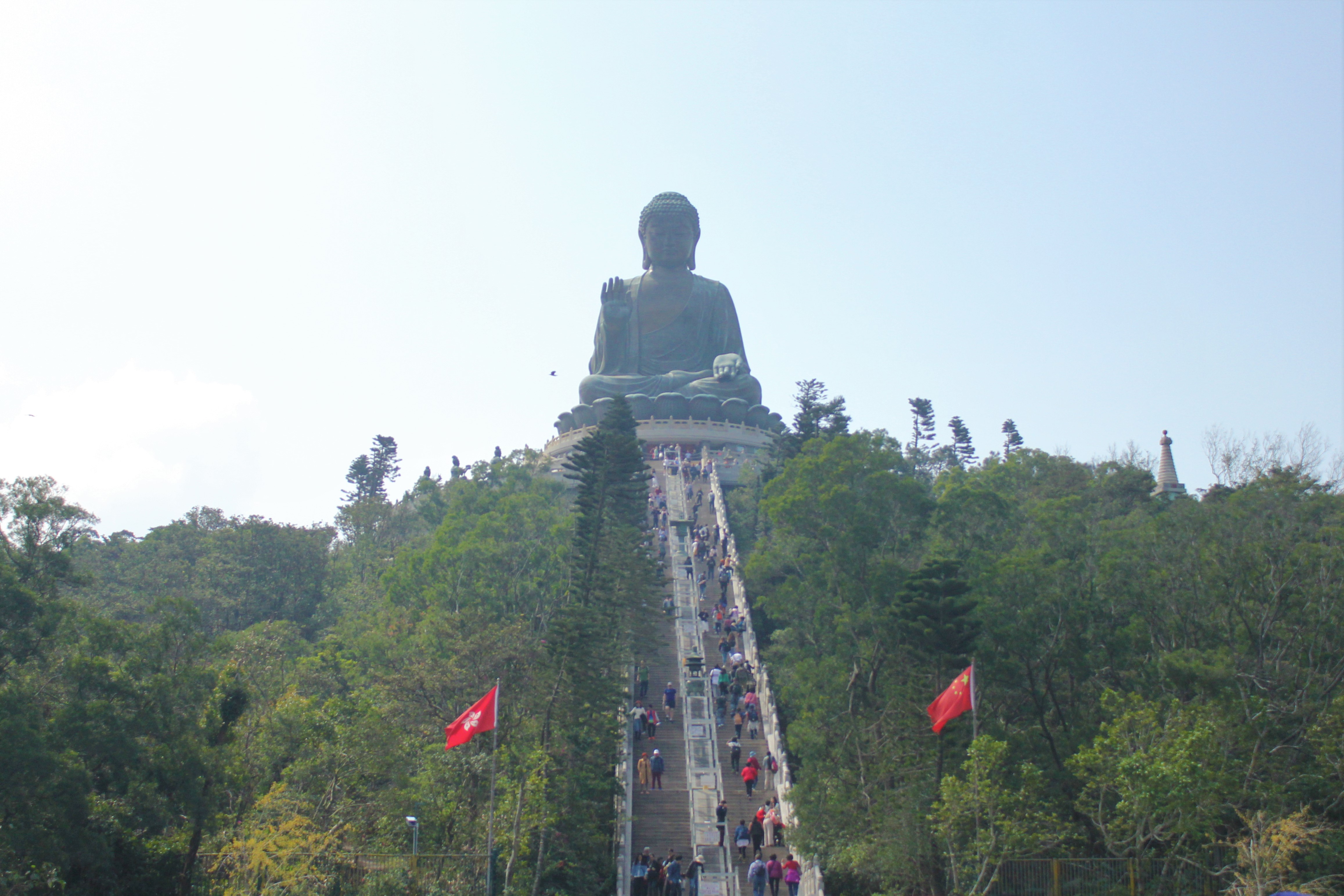
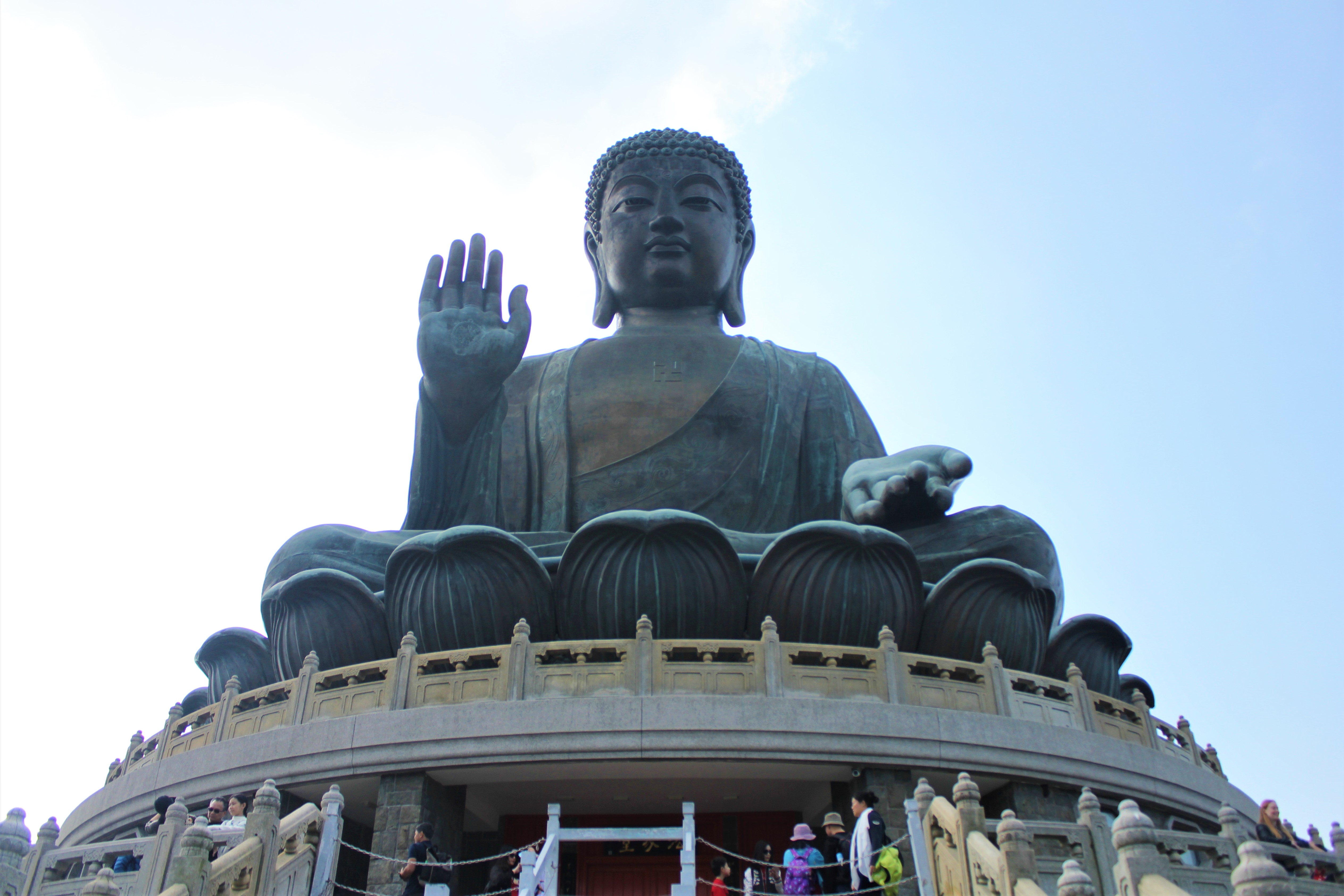
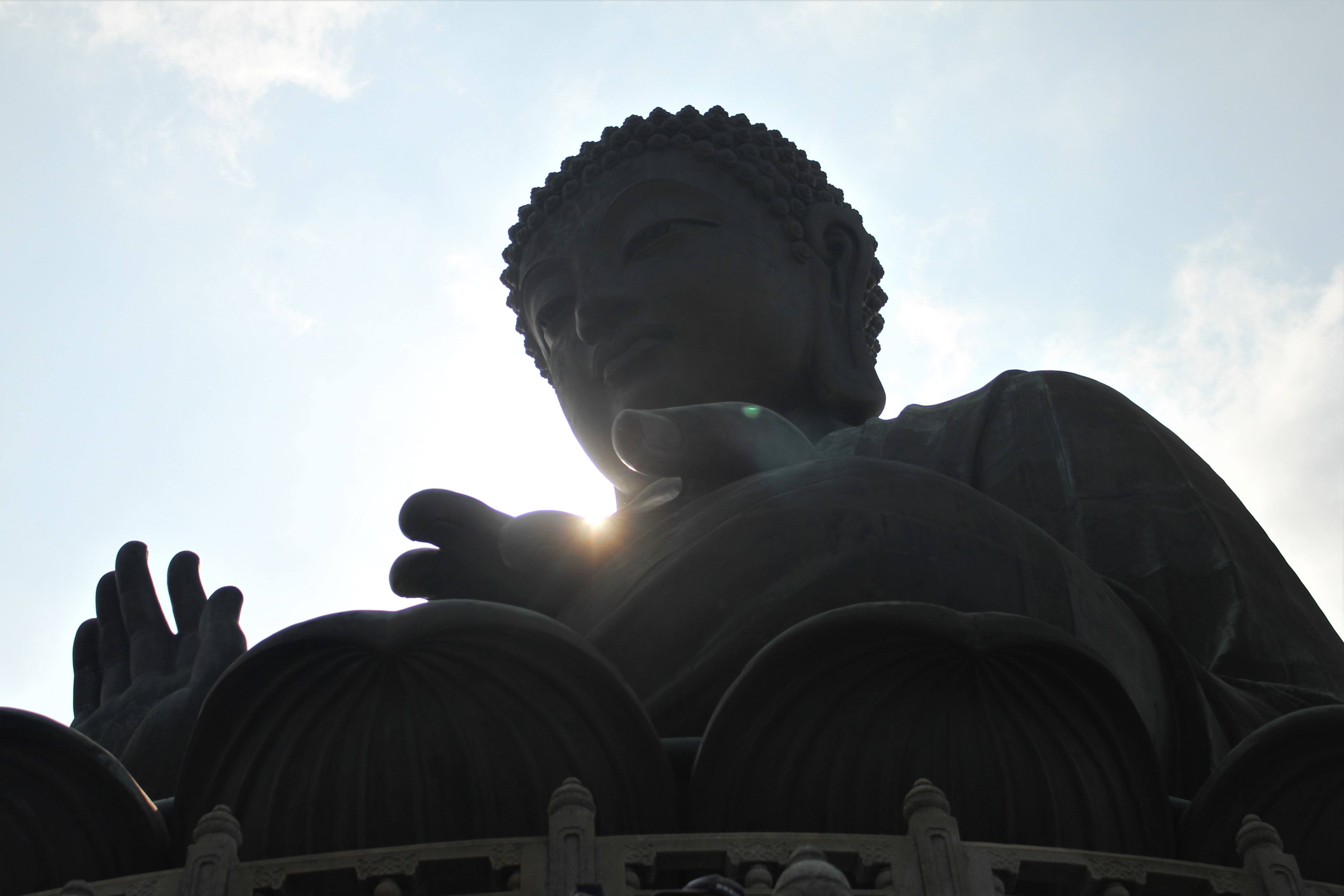
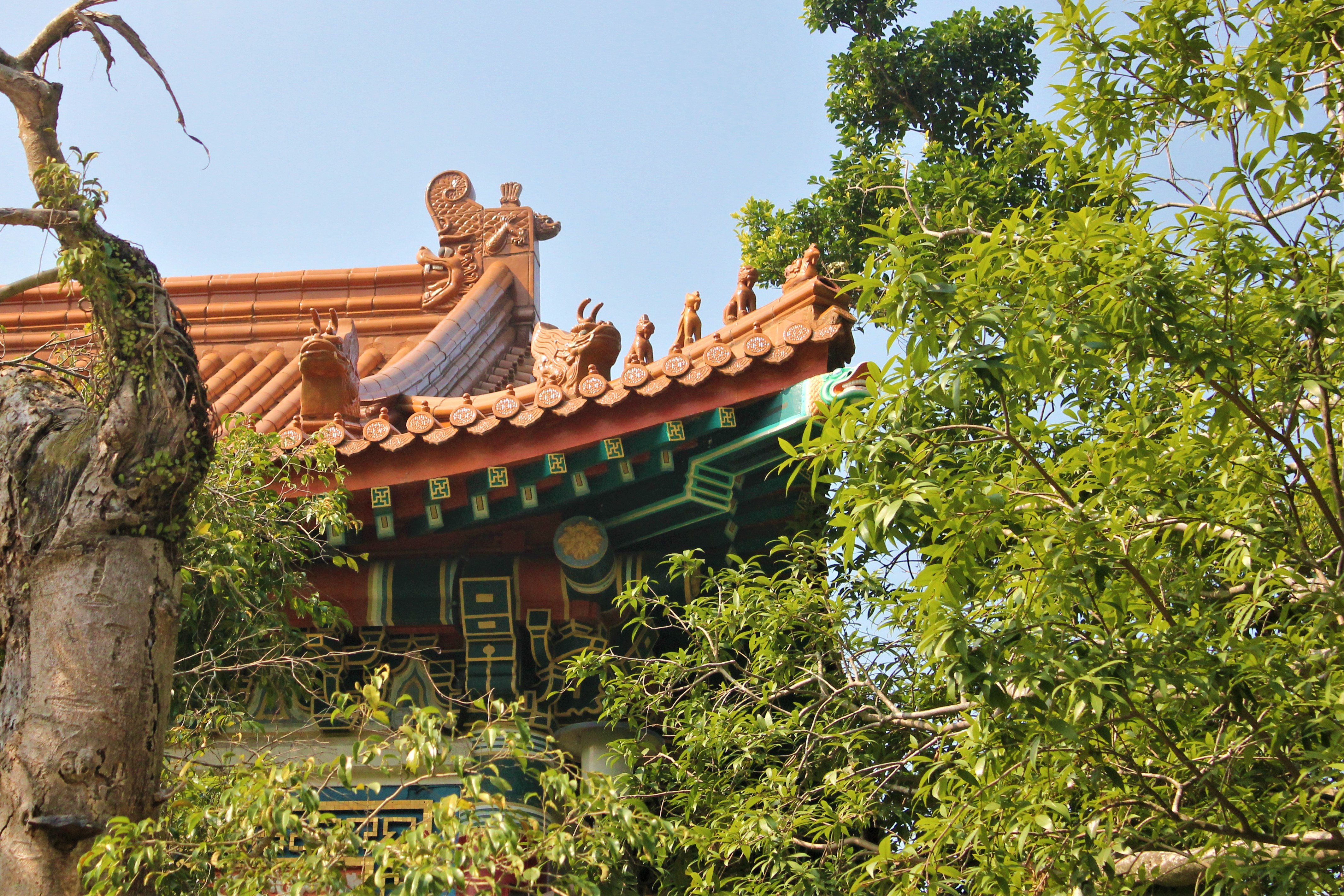
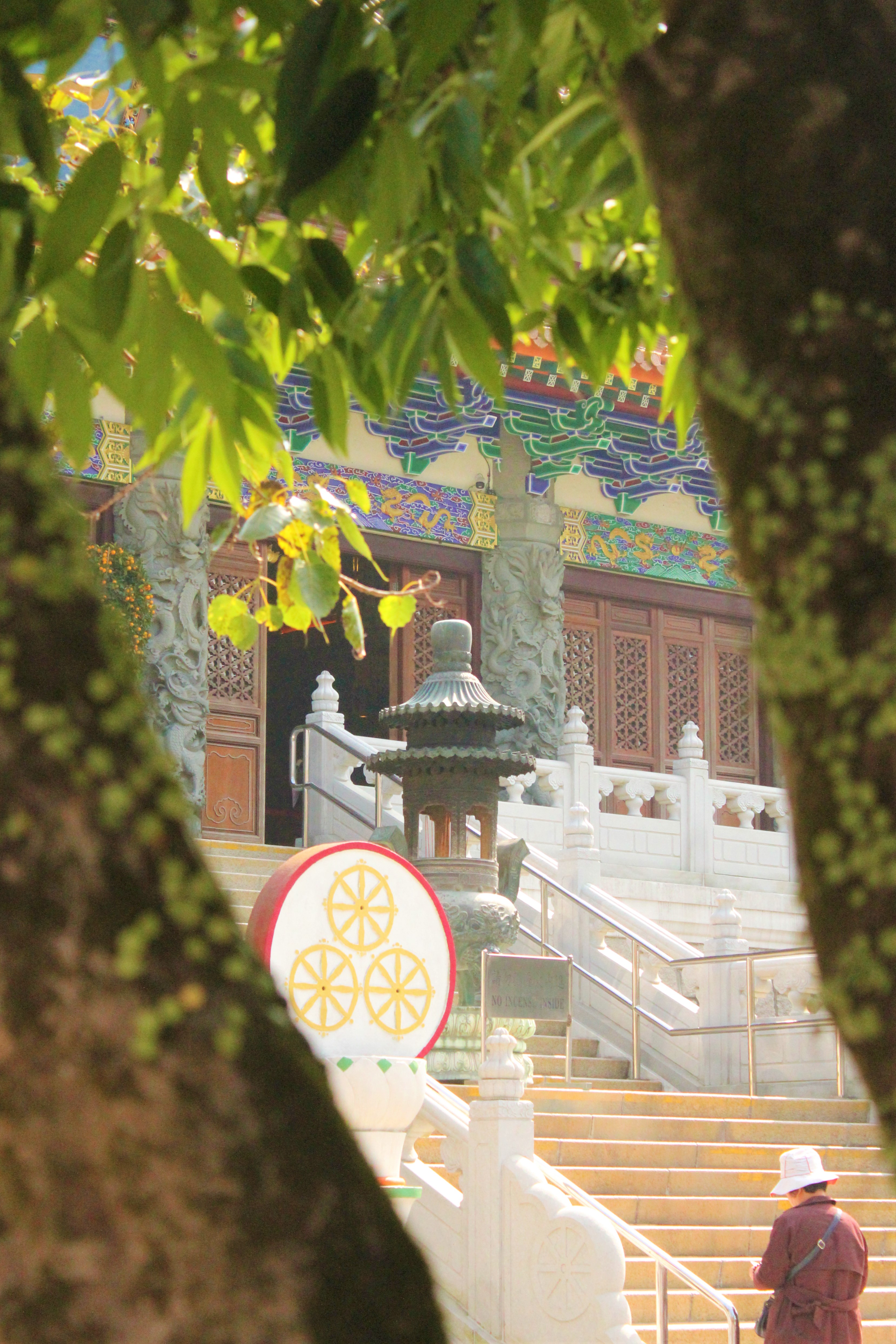
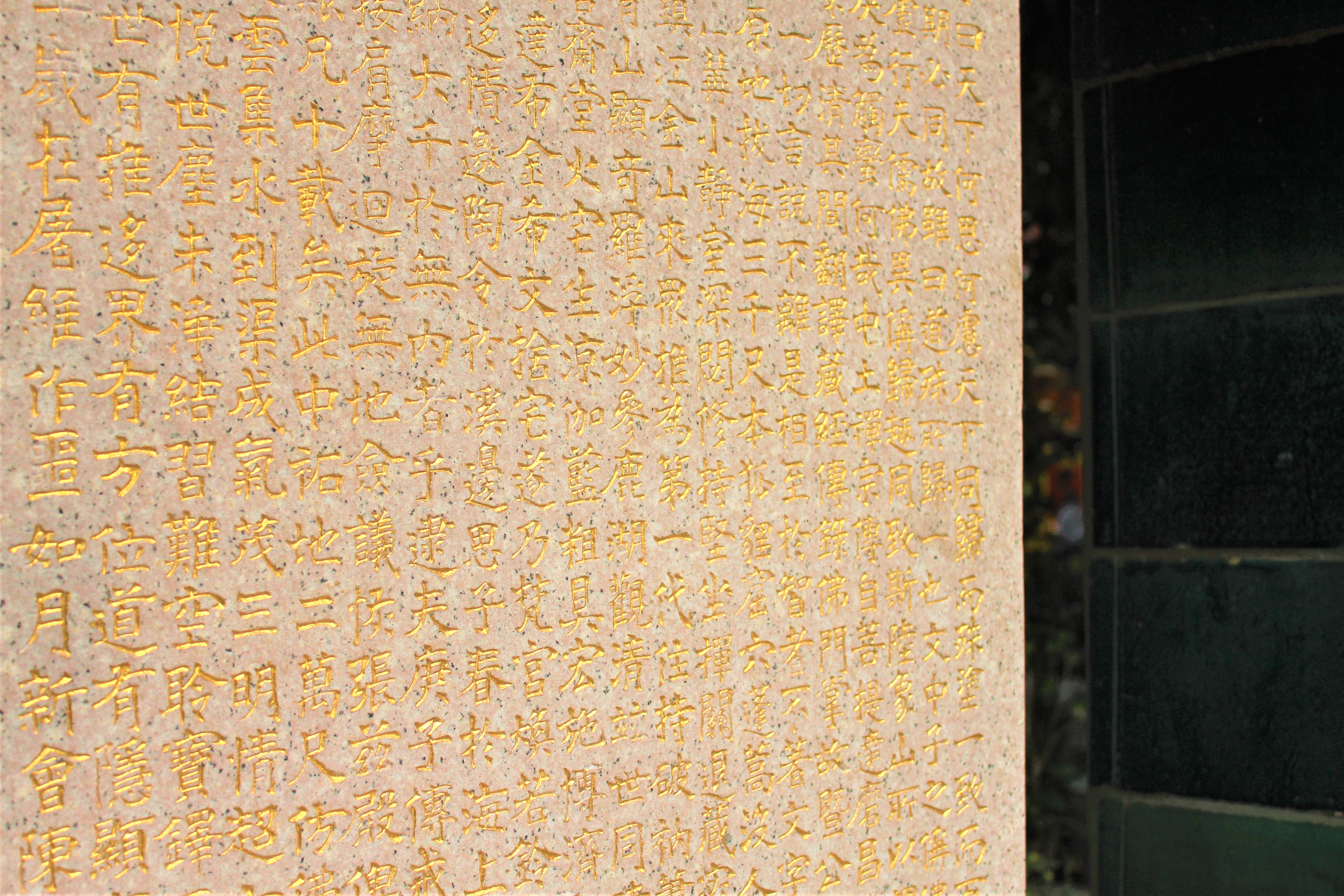
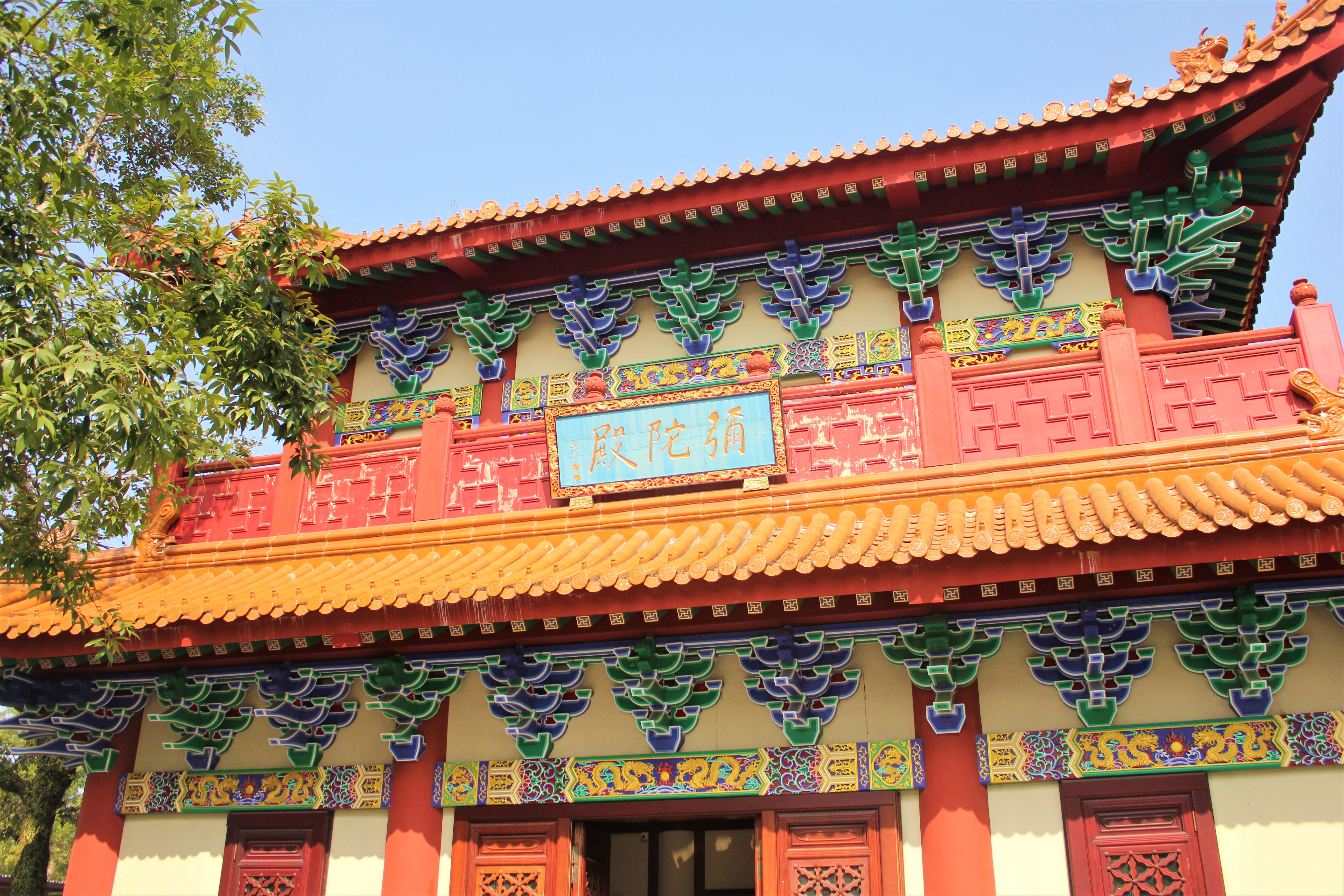
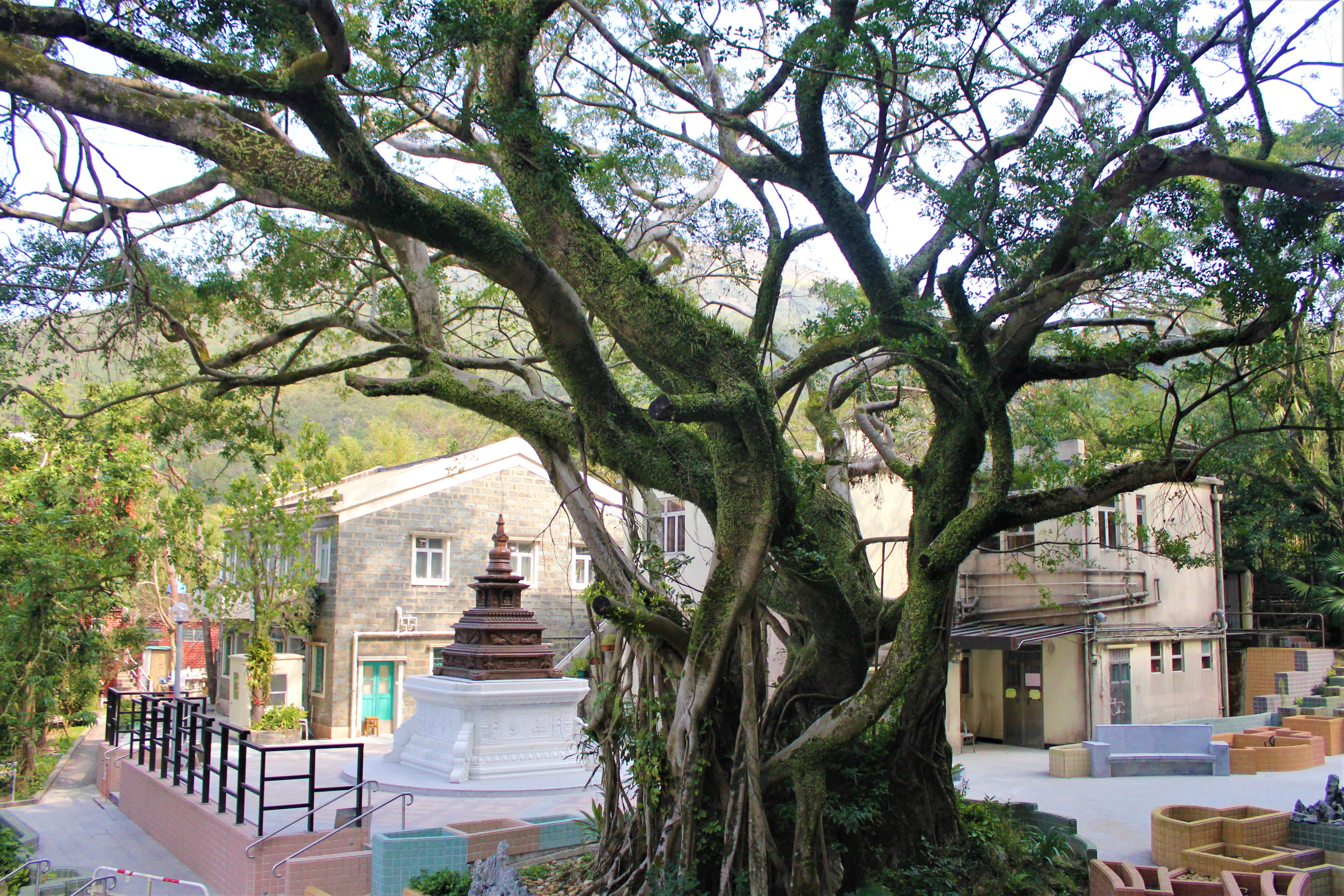
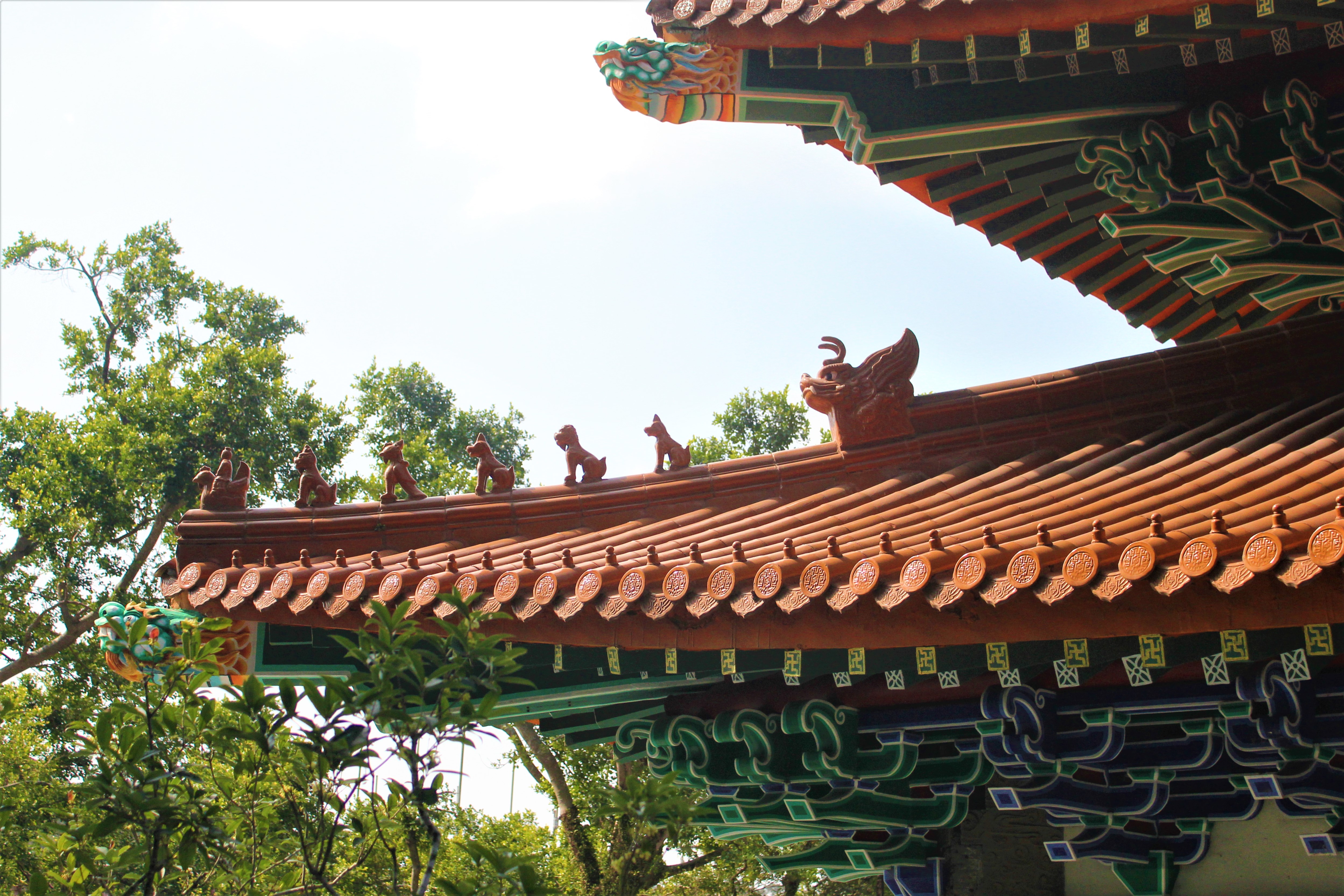
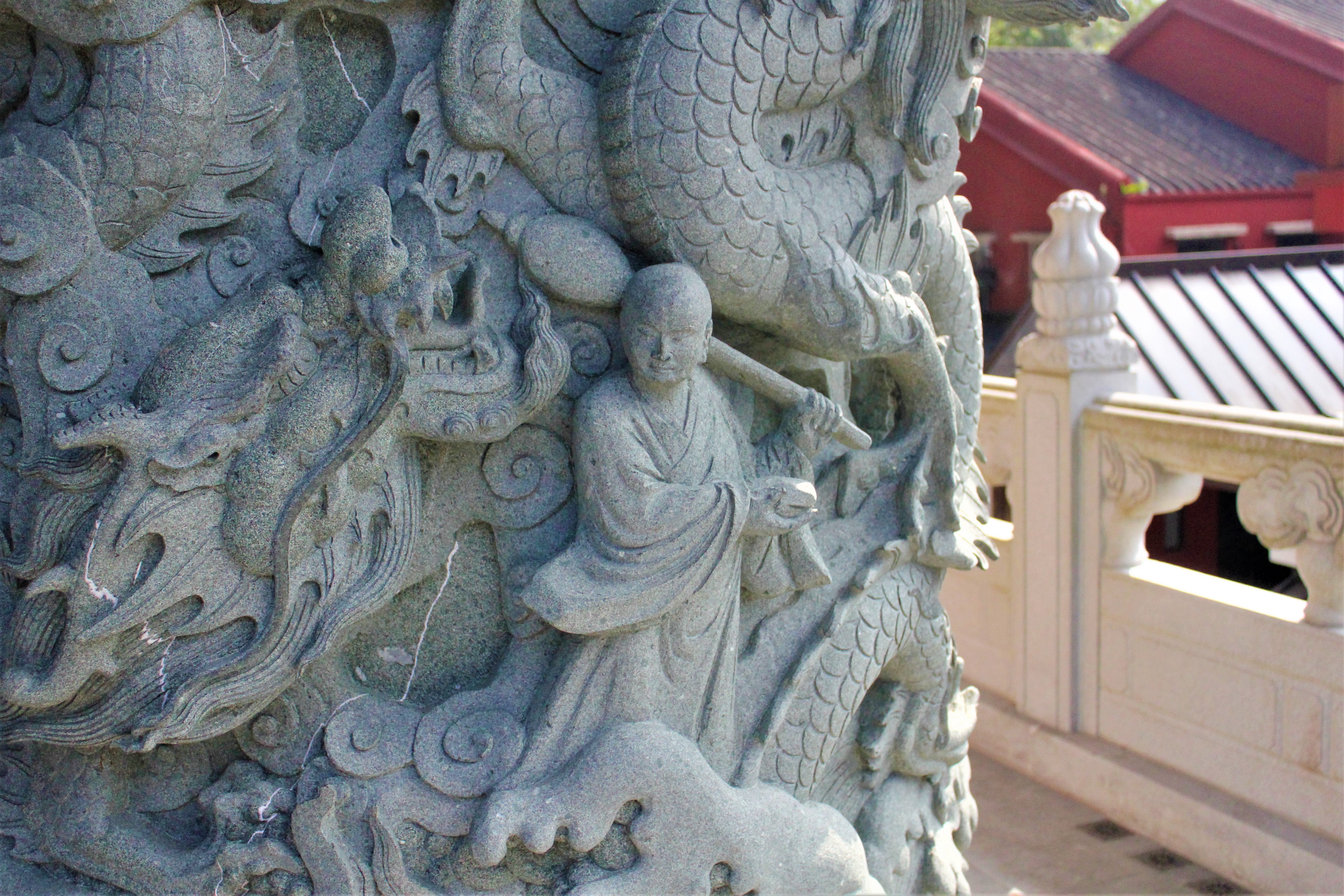
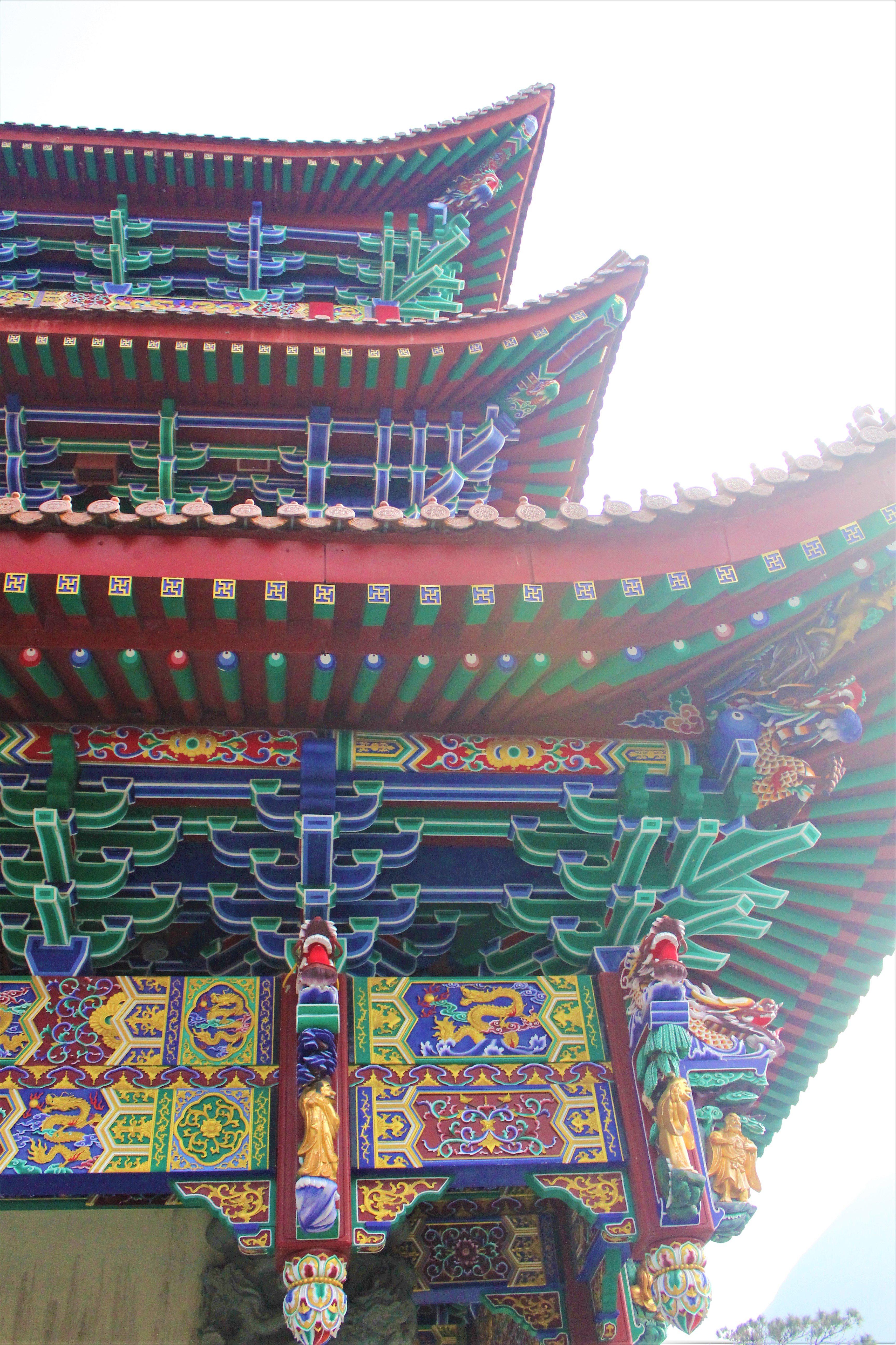
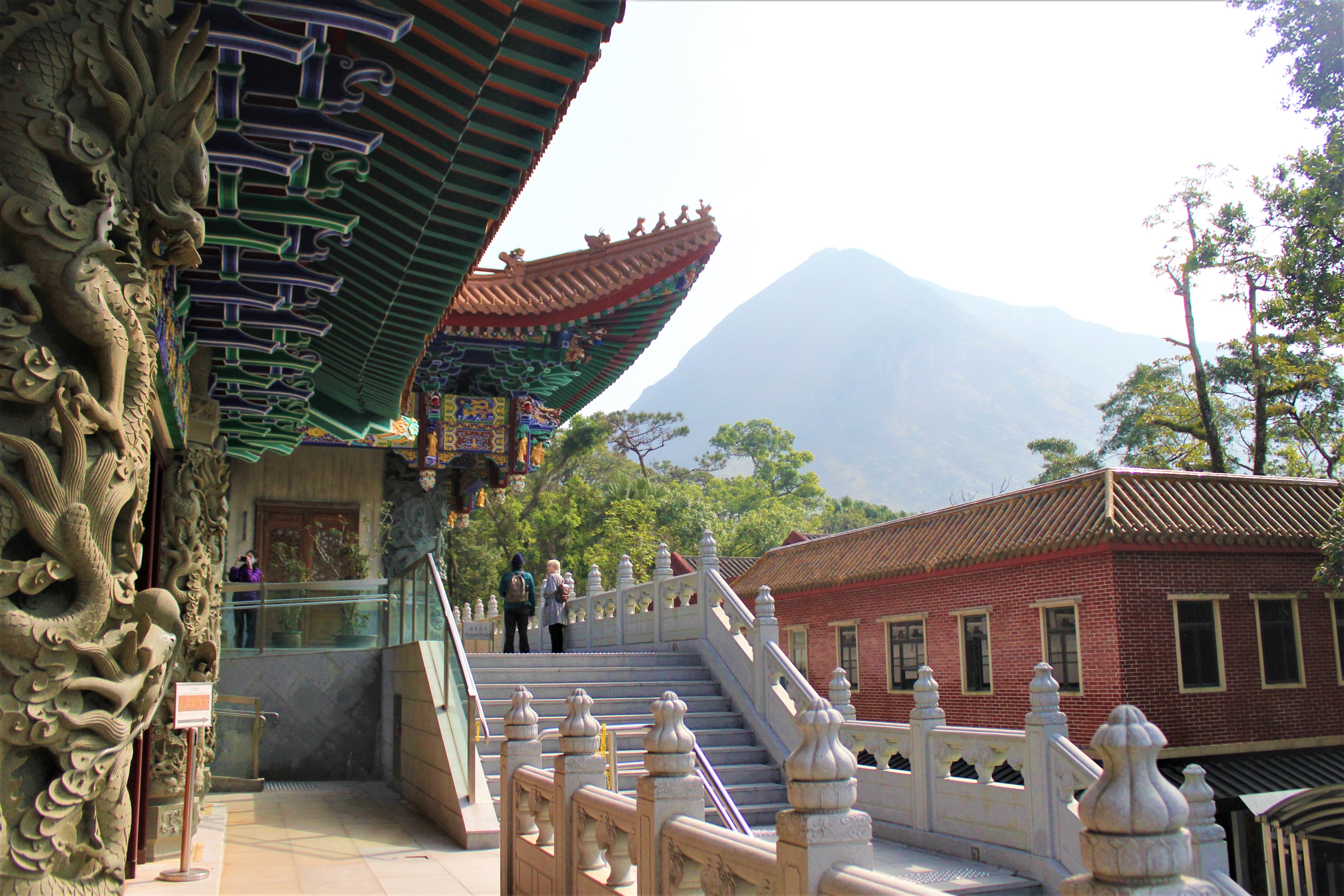
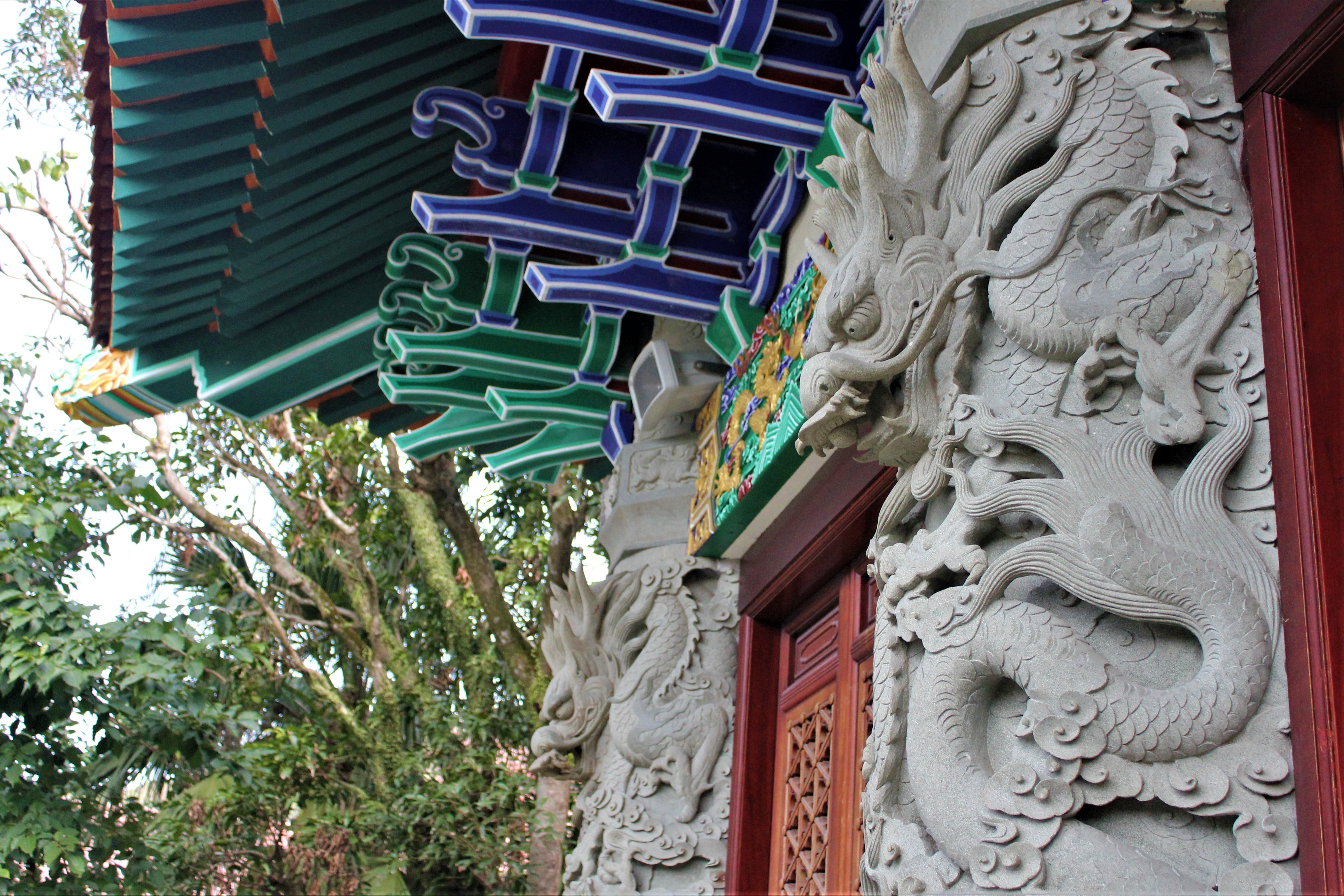
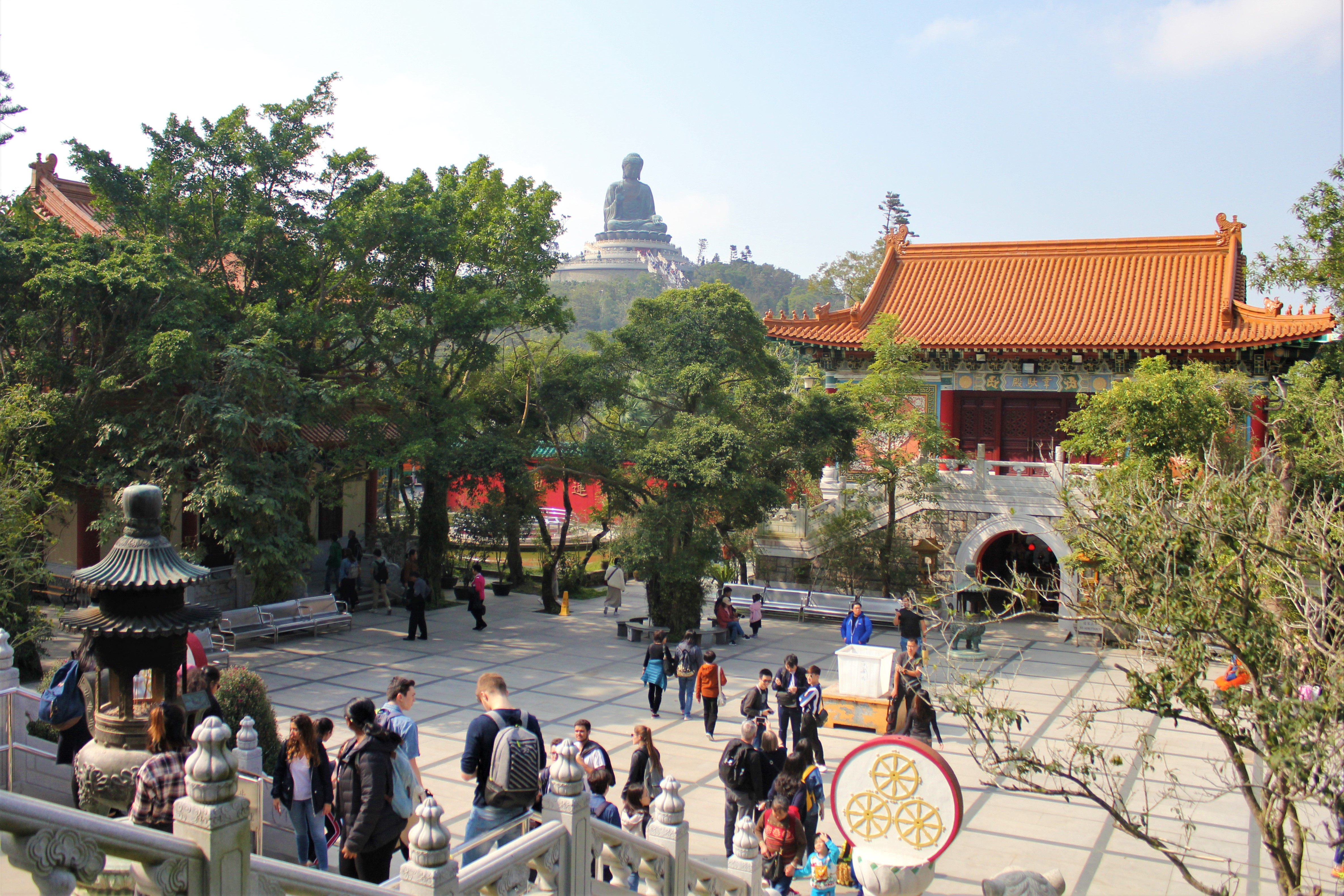
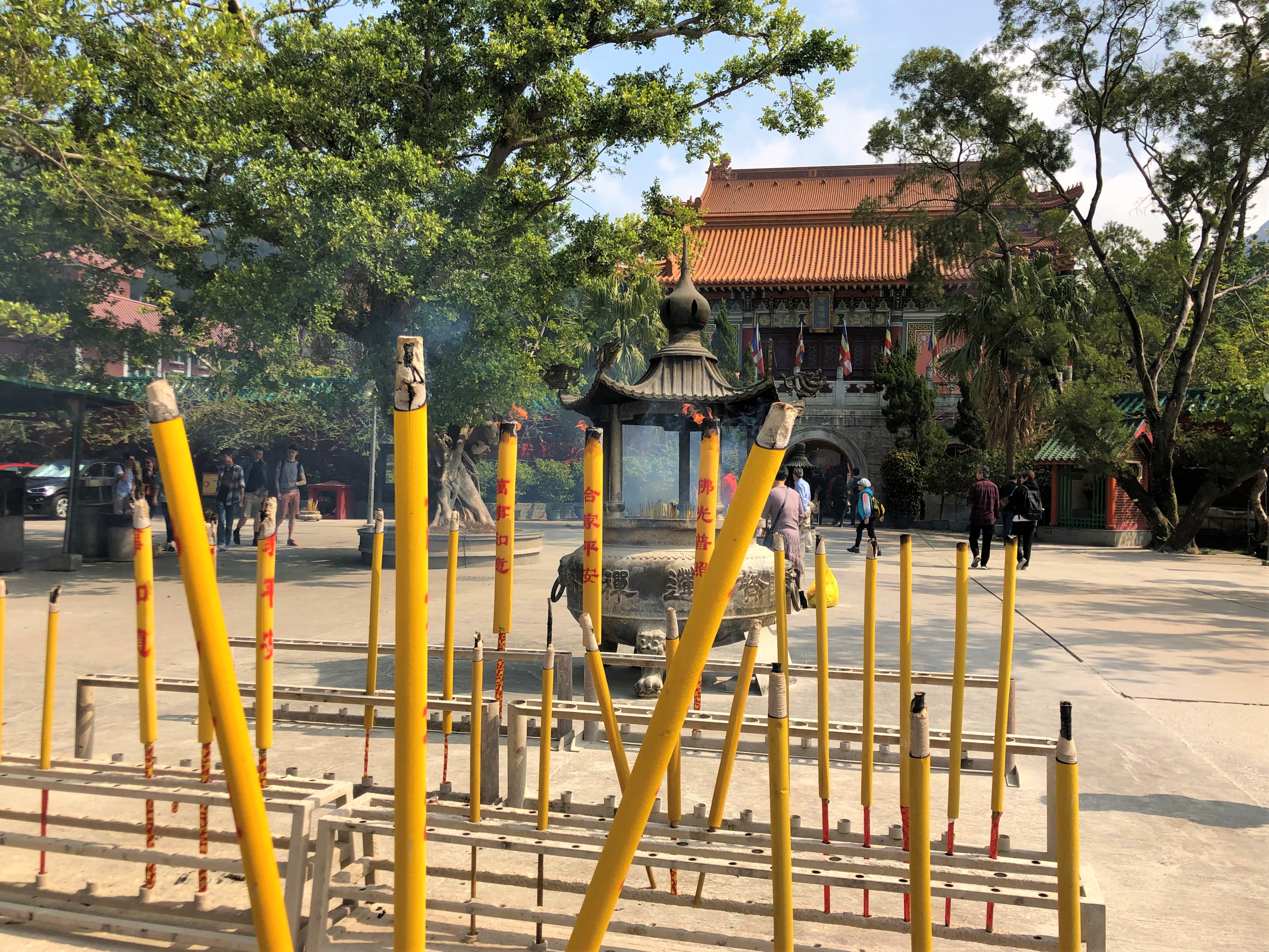
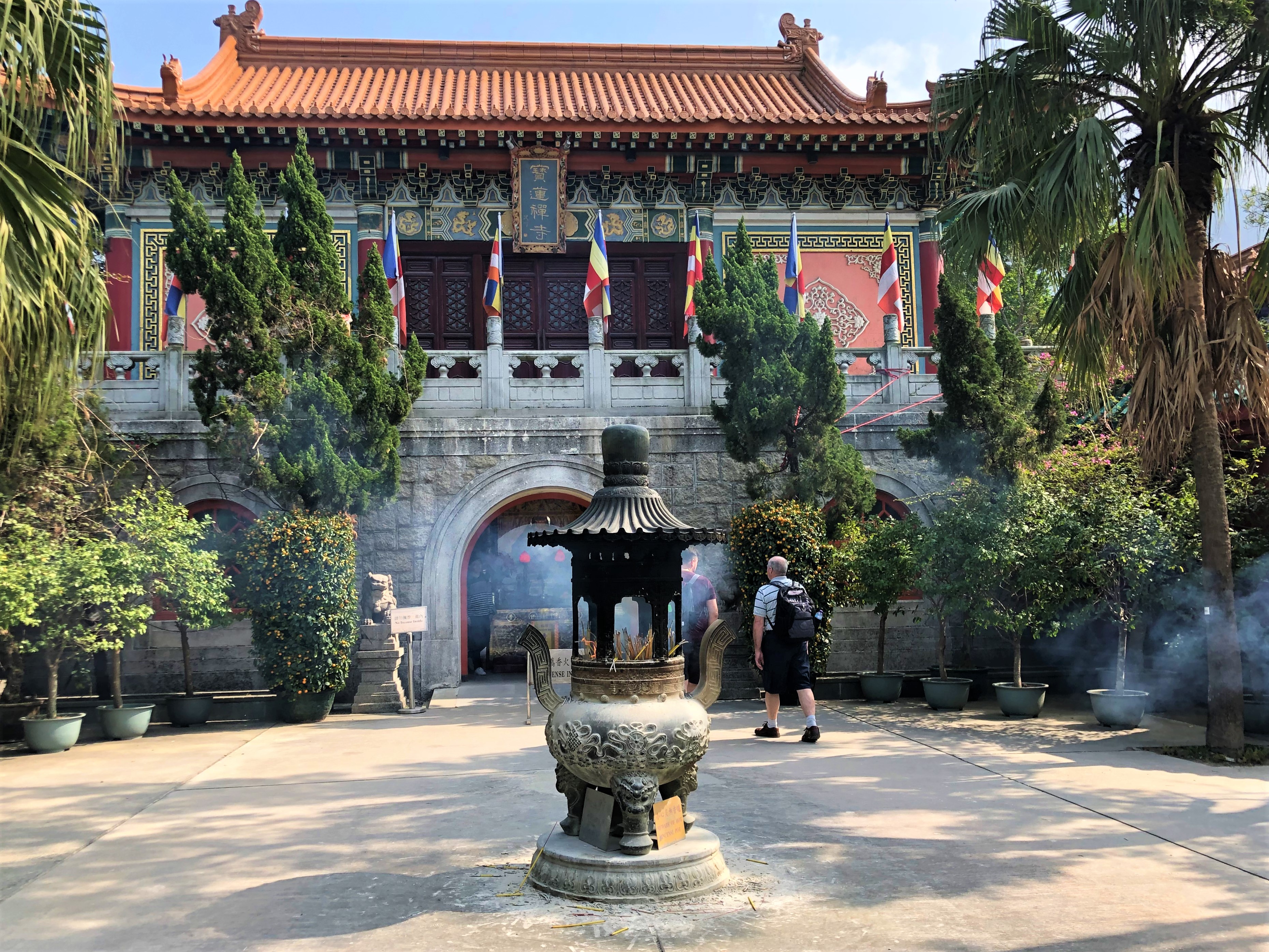
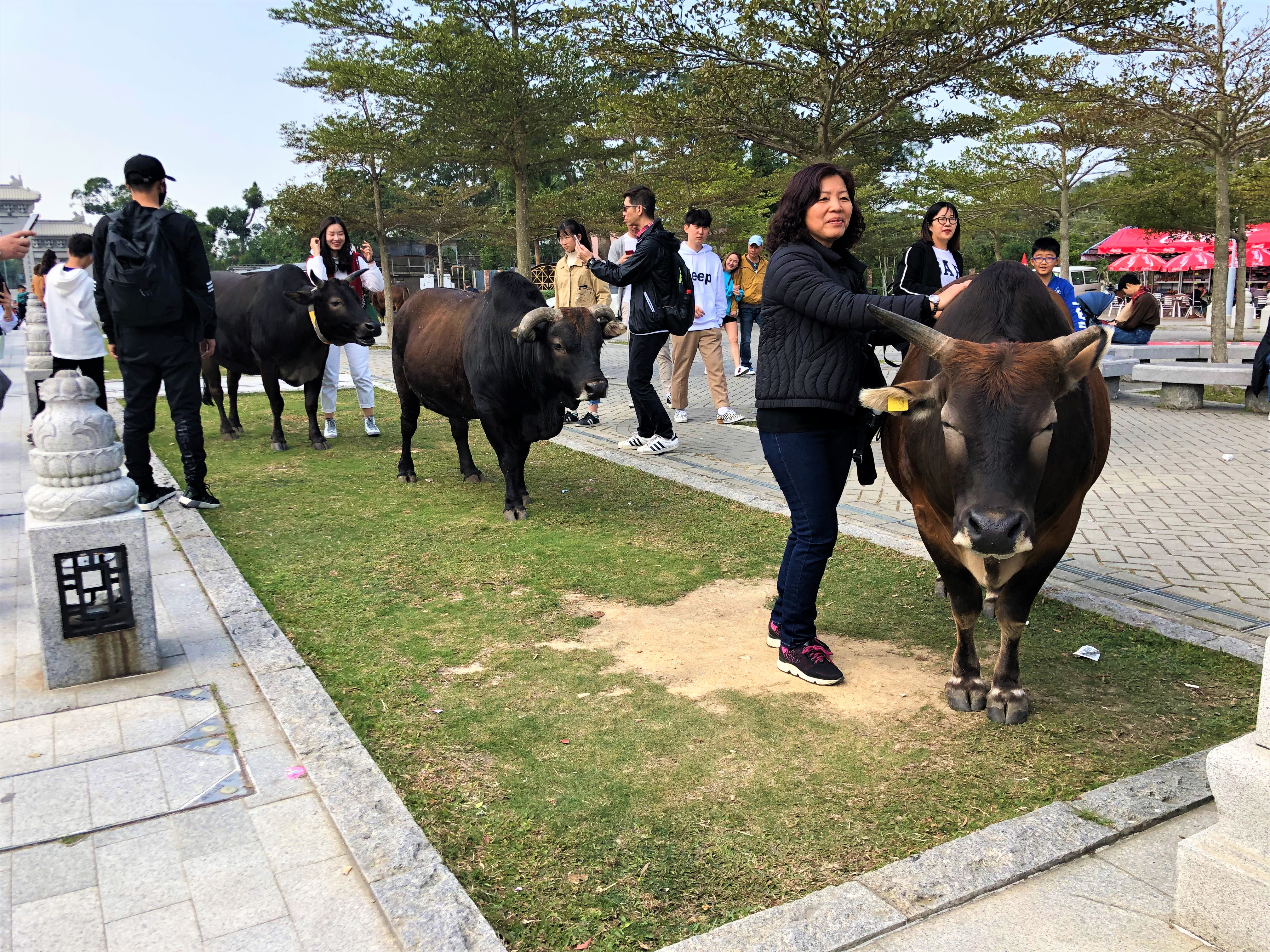
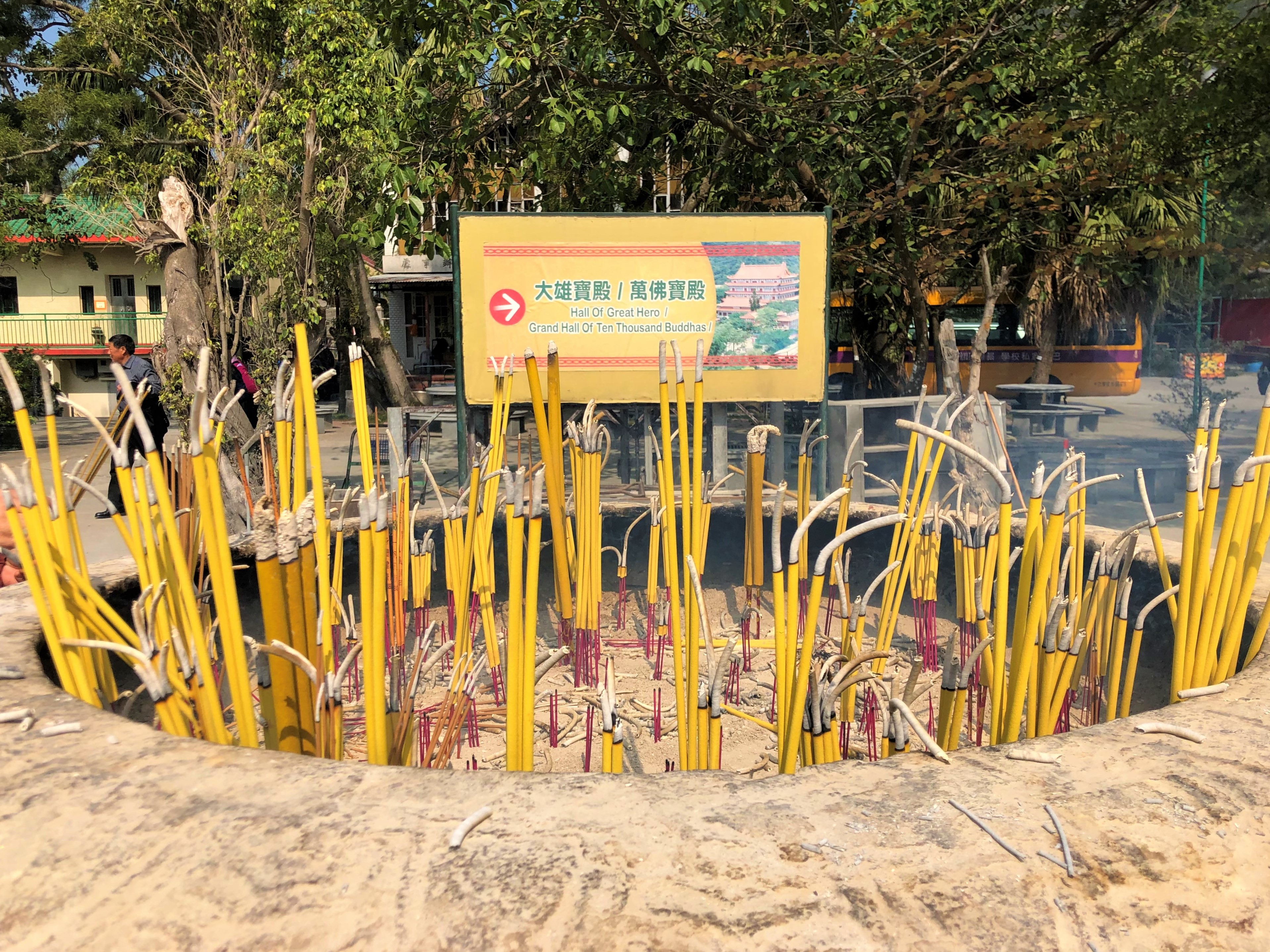
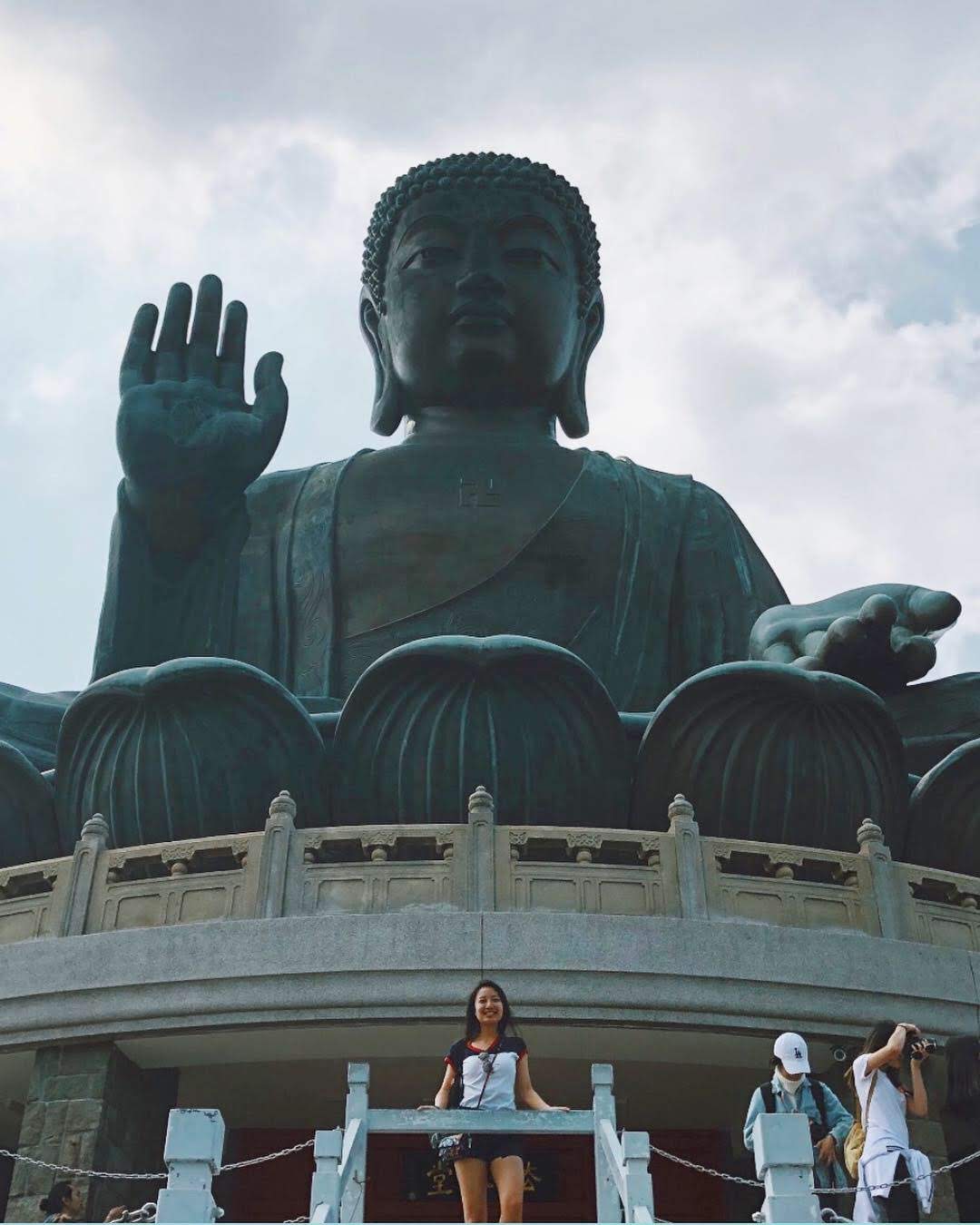
Despite fitting in with my outer appearance, I felt very much like a foreigner. I looked with the curiosity and ignorance of a Westerner when I see the Chinese writings, incense rings, animal symbols, cows on the street, color architecture, monks in long robes, etc.
To complete the experience, we stopped for a hearty lunch at the vegetarian restaurant. Again, this was not simply a healthy alternative; it was a part of the their religious practice.
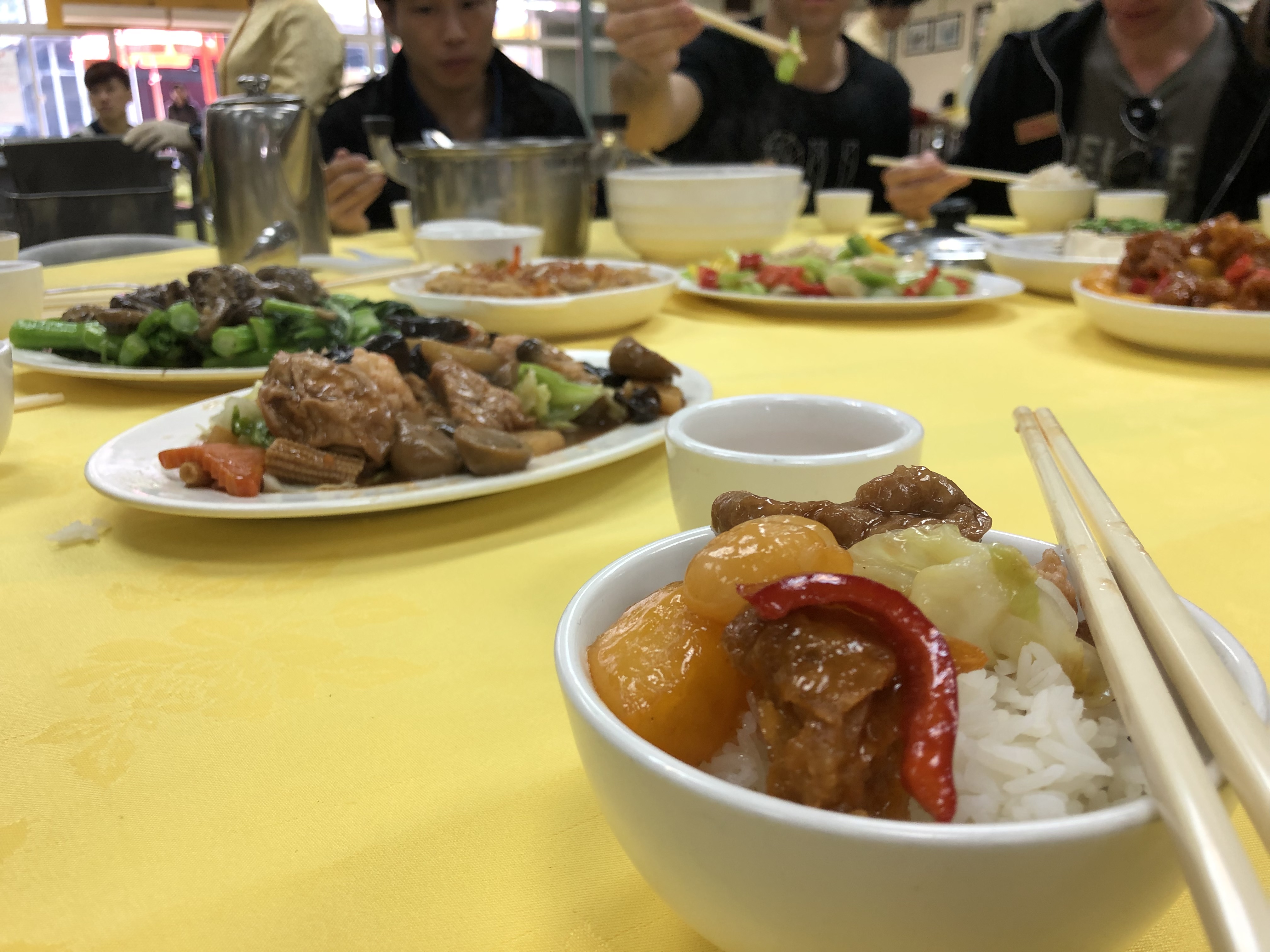
Vegetarian restaurant at Po Lin Monastery

